
TB500 + BPC157 has become one of the most discussed peptide combinations in bodybuilding, fitness, recovery, and sports-performance communities. People commonly search for this combination when looking for information about tissue recovery, injury support, wound healing, training recovery, and the differences between the two peptides.
But there is an important distinction between what is commonly claimed online and what has actually been demonstrated in humans.
BPC-157 and TB-500 are experimental peptides that have attracted considerable interest because of promising laboratory and animal research. At the same time, human evidence remains limited, particularly for the combination itself. There is currently no strong clinical evidence establishing that taking both together produces the recovery benefits frequently promoted online. Steroids for Bodybuilding: Benefits, Dosage & Side Effects
That makes understanding the science especially important.
In this guide, we will look at what TB500 + BPC157 means, how the two compounds differ, why people discuss them together, what research actually says, potential risks, regulatory considerations, and the questions beginners commonly ask.
Important: This article is for educational purposes. BPC-157 and TB-500 are not established treatments for injuries or medical conditions, and human safety and effectiveness have not been adequately established. No standardized, evidence-based dosing protocol for the combination has been established.
What Is TB500 + BPC157?
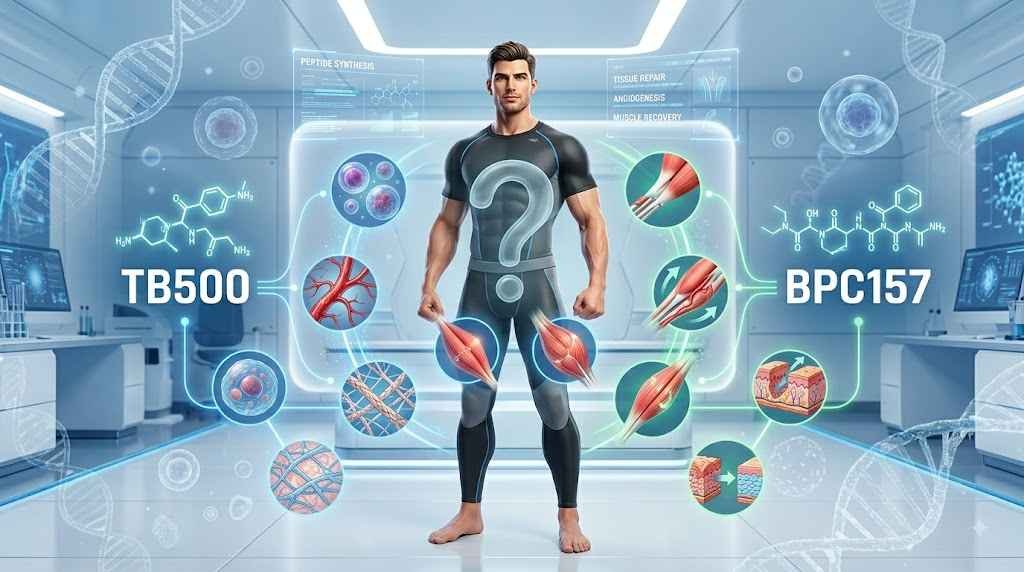
TB500 + BPC157 refers to using two different experimental peptides together rather than a single compound.
Although they are frequently discussed as a pair, they are not the same molecule and do not have identical biological properties.
BPC-157 is a synthetic peptide derived from a sequence associated with a protein found in gastric juice. Much of the interest surrounding it comes from preclinical research investigating tissue repair, blood-vessel signaling, inflammation-related pathways, and other biological processes. However, the majority of the evidence comes from laboratory and animal research rather than large controlled human trials.
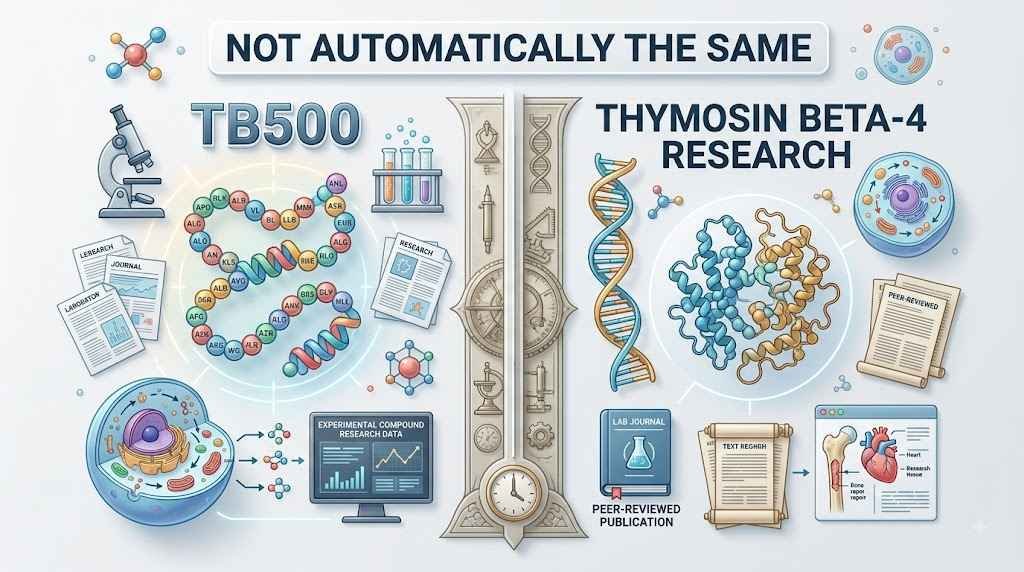
TB-500 is generally described as a synthetic fragment related to thymosin beta-4. It is frequently discussed in the context of cell migration, tissue repair, and recovery. However, an important point is often overlooked online: TB-500 itself should not automatically be treated as equivalent to full-length thymosin beta-4 used in separate research programs. FDA reviewers reported that they could not identify human clinical studies specifically evaluating TB-500.
So while the two compounds are often placed into the same recovery category, they should be viewed as separate experimental substances.
Why Are TB500 + BPC157 Discussed Together?
The popularity of the combination comes largely from the idea that two compounds associated with different biological pathways might provide complementary effects.
Online discussions commonly describe BPC-157 as being associated with tissue and vascular signaling, while TB-500 is often discussed in relation to cellular movement and tissue-repair processes. These proposed mechanisms have contributed to the popularity of the combination among athletes and fitness enthusiasts.
However, a plausible mechanism is not the same thing as proven clinical effectiveness.
This is one of the most important concepts to understand when researching experimental peptides.
A compound can produce interesting results in cells or animal models without ultimately becoming an effective or safe treatment in humans. The American Association of Medical Colleges notes that combinations of these peptides have not been well studied and that human evidence for unapproved peptides remains very limited.
There is also currently no strong published clinical evidence demonstrating that using BPC-157 and TB-500 together provides superior recovery compared with either compound alone.
TB500 + BPC157 Benefits: What Is Actually Known?
The internet contains long lists of supposed benefits, but these claims need to be separated into three categories:
- Preclinical findings
- Anecdotal reports
- Clinically demonstrated benefits
These categories are not interchangeable.
Preclinical research
Animal and laboratory research has generated interest in BPC-157 and related compounds because researchers have observed biological effects involving processes such as blood-vessel formation, cell signaling, fibroblast activity, and tissue responses.
BPC-157 research has particularly attracted attention in experimental models involving gastrointestinal, muscle, tendon, ligament, and other tissues. However, sports-medicine experts emphasize that these findings have not been translated into high-quality clinical evidence demonstrating comparable benefits in humans.
TB-500 has similarly been promoted around tissue repair and recovery, but the evidence specifically for the TB-500 fragment in humans is extremely limited. FDA reviewers stated that they had not identified clinical studies or human exposure data using TB-500 through the routes evaluated.
Anecdotal experiences
Online forums and fitness communities contain numerous personal reports about recovery, soreness, mobility, and injuries.
These experiences can be interesting, but they cannot establish whether a peptide caused the improvement.
People may simultaneously change their training, sleep, nutrition, physiotherapy, supplements, medication, or activity level. Injuries can also improve naturally over time.
Clinical evidence
This is where the picture becomes much more cautious.
A 2026 review of BPC-157 reported that the published human evidence consists of only a very small number of studies involving fewer than 30 participants, with none being randomized controlled trials capable of establishing clinical effectiveness.
For TB-500, the evidence is even more limited. FDA reviewers reported no identified clinical studies specifically evaluating TB-500 in humans.
Therefore, claims that the combination is a proven treatment for injuries or accelerated recovery go beyond the available evidence.
TB500 vs BPC157: What Is the Difference?
One of the most common searches surrounding this topic is the comparison between TB-500 and BPC-157.
The simplest way to understand the distinction is that they are different experimental peptides with different molecular origins and proposed biological actions.
| Feature | BPC-157 | TB-500 |
|---|---|---|
| Type | Synthetic peptide | Synthetic peptide fragment |
| Common research interest | Tissue signaling and repair-related pathways | Cell migration and tissue-repair processes |
| Human evidence | Very limited | Extremely limited |
| Approved medical treatment | No | No |
| Combination research | Insufficient | Insufficient |
| Long-term human safety | Not established | Not established |
The table illustrates an important point: neither compound currently has the level of human clinical evidence required to confidently describe it as an established recovery treatment.
Is TB500 + BPC157 Proven for Injury Recovery?
No.
That does not mean the biological research is uninteresting. It means the current evidence is insufficient to conclude that the combination reliably treats sports injuries in humans.
The distinction matters because online marketing frequently moves directly from animal findings to statements such as “heals tendons,” “repairs ligaments,” or “accelerates muscle recovery.”
Those statements are much stronger than the available clinical evidence supports.
The American Orthopaedic Society for Sports Medicine notes that peptides are increasingly marketed for tendon, ligament, muscle, and bone recovery, while also emphasizing that meaningful clinical benefits remain uncertain and that high-quality human evidence is lacking.
TB500 + BPC157 for Bodybuilding and Fitness
The bodybuilding community has shown particularly strong interest in experimental recovery peptides.
The attraction is understandable.
Hard training creates substantial physical stress, and athletes often look for ways to improve recovery, maintain training consistency, and return to activity after setbacks.
But recovery is influenced by many established factors:
- Adequate protein and overall nutrition
- Sufficient calories for the training goal
- Sleep quality and duration
- Proper training volume
- Exercise technique
- Deloading when appropriate
- Injury-specific rehabilitation
- Appropriate medical evaluation
- Progressive return to training
Experimental peptides should not be viewed as substitutes for these fundamentals.
For someone dealing with a significant tendon, ligament, joint, or muscle injury, professional assessment is particularly important because continuing to train through an improperly diagnosed injury can make the problem worse.
What Does Research Say About Using Both Together?
This is perhaps the biggest knowledge gap surrounding the topic.
There is not enough clinical research on the combination itself to establish its effectiveness, ideal administration strategy, interactions, or long-term safety.
That means a common internet practice does not automatically become an evidence-based protocol simply because thousands of people discuss it.
The absence of combination studies also makes it difficult to determine whether an observed benefit—or adverse reaction—comes from one peptide, the other peptide, their combination, the formulation, contamination, or another factor.
This is especially relevant because FDA safety materials describe concerns surrounding peptide immunogenicity, aggregation, product quality, and unpredictable immune responses.
TB500 + BPC157 Safety: What Should You Know?
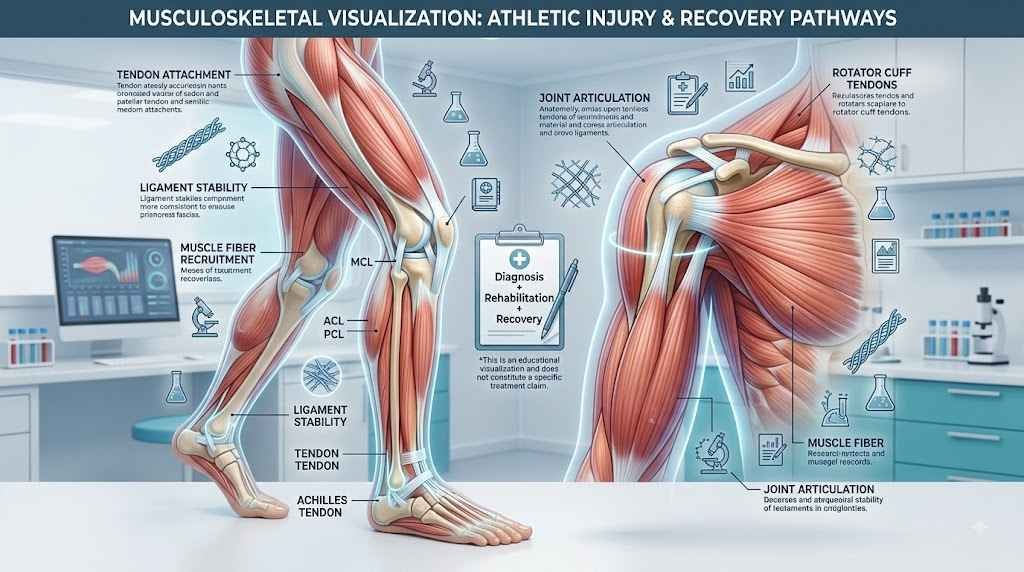
Safety deserves as much attention as potential benefits.
BPC-157 and TB-500 are experimental compounds, and their long-term safety profiles in humans have not been adequately established.
FDA materials published in 2026 highlight the limited human safety information surrounding these substances. For TB-500 specifically, FDA reviewers reported no identified clinical studies or human exposure data.
For BPC-157, FDA reviewers identified several adverse-event reports involving injectable products but also emphasized that these reports have important limitations and cannot by themselves establish causation. One report involved a product containing both BPC-157 and TB-500, making it impossible to determine which compound was responsible for the reported reaction.
This is why “natural,” “research peptide,” or “well tolerated in animals” should never be interpreted as “proven safe for humans.”
Product Quality Is Another Major Concern
There is another issue that receives far less attention in online peptide discussions: what is actually inside the vial?
A compound can have a theoretical safety profile, but that does not guarantee that an independently purchased product contains the stated compound at the stated concentration or is free from contaminants.
This is particularly important with products sold through unregulated or poorly regulated channels.
The FDA has raised concerns involving peptide quality, immunogenicity, aggregation, and the risks associated with injectable peptide products.
Therefore, evaluating the science behind a peptide is only one part of the safety question. Manufacturing quality, sterility, identity, purity, storage, and professional oversight can also matter significantly.
The Bottom Line on TB500 + BPC157
TB500 + BPC157 remains a highly discussed experimental peptide combination, particularly within bodybuilding, fitness, and recovery communities.
There is interesting preclinical research behind both compounds, especially surrounding biological processes associated with tissue repair. However, the evidence in humans is still far too limited to describe the combination as a proven injury treatment or established recovery therapy.
The most responsible way to approach the subject is to separate research findings from marketing claims and personal anecdotes.
As research develops, better-designed human studies may provide clearer answers about effectiveness, appropriate medical applications, interactions, and safety. Until then, claims surrounding the combination should be treated cautiously.
TB500 + BPC157: How the Two Peptides Are Thought to Work
One reason the combination attracts so much attention is that researchers have investigated the two compounds in connection with different biological processes.
That has led to a popular theory: if two experimental compounds influence different parts of the body’s repair environment, combining them might produce a broader effect.
The problem is that this theory has not been adequately tested in controlled human trials.
The American Orthopaedic Society for Sports Medicine notes that BPC-157 has produced interesting findings in animal models involving processes such as angiogenesis, fibroblast migration, nitric-oxide signaling, and collagen organization. However, these findings have not translated into high-quality human evidence establishing clinical effectiveness.
So the mechanism is interesting, but the clinical conclusion remains uncertain.
BPC-157 and Tissue-Repair Research
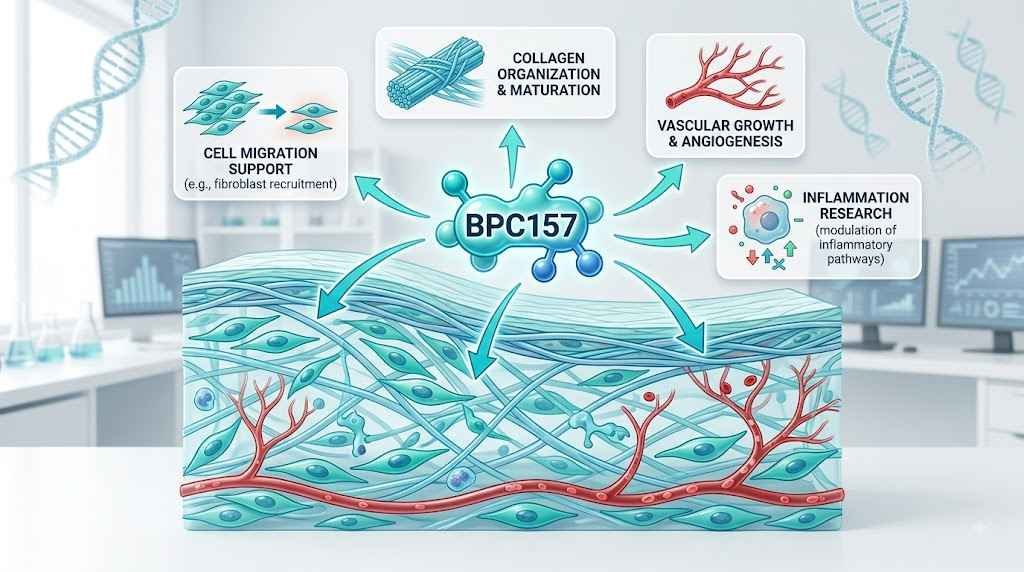
BPC-157 has been investigated in several experimental models involving different types of tissue.
Researchers have explored pathways associated with:
- Blood-vessel formation
- Cell migration
- Fibroblast activity
- Collagen organization
- Inflammatory signaling
- Gastrointestinal tissue
- Tendon and ligament models
- Muscle injury models
These findings help explain why the compound became popular in sports-recovery discussions.
However, laboratory observations should not automatically be interpreted as evidence that the same effect occurs in an injured human athlete.
A major problem in peptide research is the translation gap between animal experiments and human medicine.
An animal model can show that a biological pathway is affected without demonstrating that the treatment will meaningfully improve recovery, function, or long-term outcomes in people.
TB500 + BPC157 and the Recovery Theory
TB-500 is commonly discussed as a peptide related to thymosin beta-4 and cellular movement.
The theory behind its popularity involves processes such as cell migration and tissue remodeling. These mechanisms have made TB-500 particularly attractive to people interested in recovery.
But there is an important distinction between thymosin beta-4 research and TB-500 products sold or discussed online.
TB-500 is generally described as the thymosin-beta-4 fragment LKKTETQ. FDA materials state that the agency has not identified human exposure data for drug products containing TB-500 and has not identified clinical studies evaluating TB-500 in humans.
That means it would be misleading to take research involving other forms of thymosin beta-4 and automatically apply those findings to TB-500.
TB500 + BPC157 Stacking: What Does It Mean?
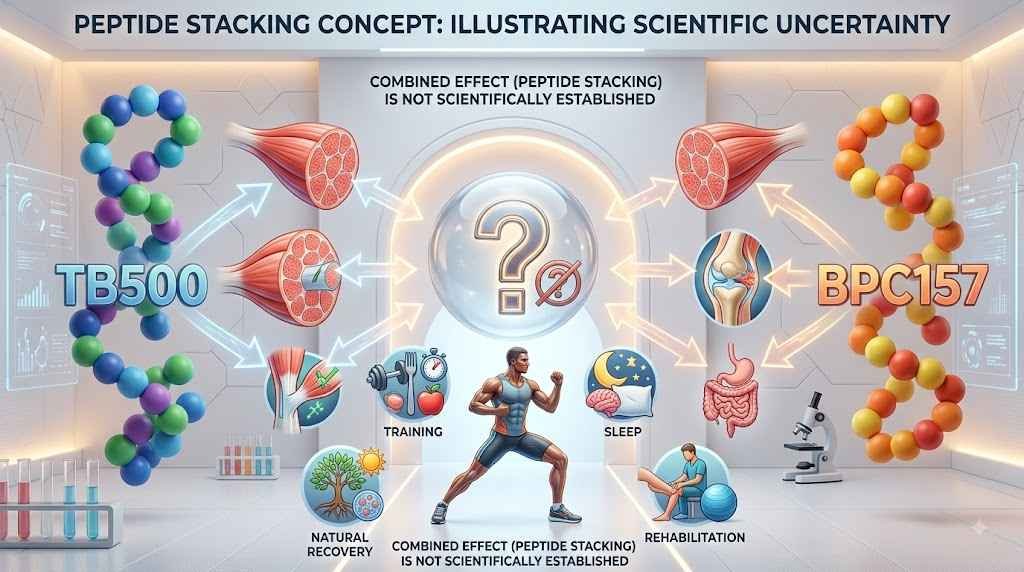
In fitness communities, the word stacking simply means using multiple compounds during the same period.
With experimental peptides, the concept is usually based on the belief that different compounds may complement one another.
However, stacking creates an additional scientific problem.
If a person experiences an improvement while using two substances simultaneously, it becomes difficult to determine:
- Which substance produced the effect
- Whether either substance produced the effect
- Whether the improvement occurred naturally
- Whether training changes contributed
- Whether rehabilitation contributed
- Whether nutrition and sleep were responsible
- Whether the combination created an interaction
The same problem applies to side effects.
If an adverse reaction occurs while several compounds are being used, identifying the responsible substance can become much more difficult.
This is one reason controlled clinical studies are so important.
Does Combining Them Make Them More Effective?
There is currently insufficient human evidence to answer that question confidently.
There is no established clinical evidence demonstrating that combining BPC-157 with TB-500 produces superior outcomes compared with either compound individually.
The combination is popular primarily because of proposed complementary mechanisms and anecdotal reports rather than robust clinical trials.
That distinction should remain clear throughout any discussion of these compounds. Peptides for Bodybuilding: Types, Uses, Dosage & Safety
TB500 vs BPC157: Which One Is Better?
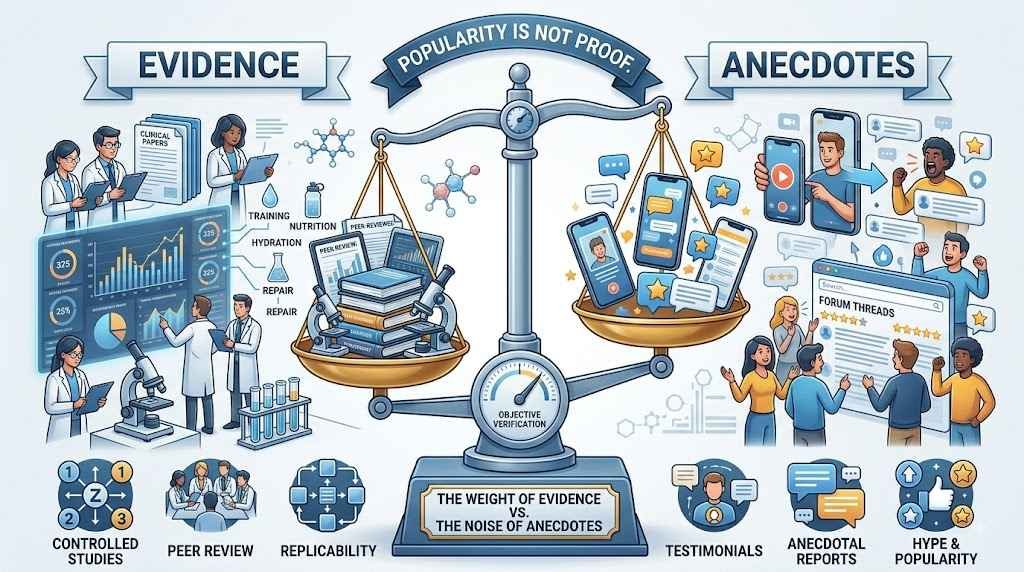
There is no scientifically established winner.
A better question is:
What evidence exists for each compound, and how strong is that evidence?
For BPC-157, there are a small number of human studies, but they have significant limitations. FDA’s 2026 briefing materials identified five clinical studies involving BPC-157, with small samples and short durations; the agency noted that safety monitoring was unclear in most studies and that the available information was insufficient to establish safety.
For TB-500, the human evidence is even more limited. FDA reported that it had not identified clinical studies or human exposure data involving TB-500.
Therefore, comparing them as though both were established medical treatments would give readers a false impression of certainty.
TB500 + BPC157 Dosage: Why Online Numbers Can Be Misleading
Search engines contain thousands of pages discussing peptide dosage.
You will often see different amounts, schedules, cycles, and administration methods presented as though they were standardized.
They are not.
There is currently no universally accepted, evidence-based human dosing protocol for TB-500 plus BPC-157 as a combination.
This is particularly important because experimental peptide discussions often mix together:
- Animal-study doses
- Small human-study doses
- Anecdotal bodybuilding protocols
- Research-vendor instructions
- Physician-supervised experimental use
- Social-media recommendations
These categories should never be treated as equivalent.
FDA’s review of BPC-157 found that human studies used several different experimental routes and amounts, but also emphasized that the studies were small, short, and limited in their safety information.
For TB-500, FDA reported no identified human clinical studies or human exposure data.
So an internet dosage chart should not be presented as a medically validated protocol.
Why There Is No Reliable “Beginner Dose”
A true beginner dose would require evidence showing:
- What amount is effective
- What amount is safe
- How frequently it should be administered
- Which route is appropriate
- How long treatment should continue
- Which populations should avoid it
- What laboratory monitoring is necessary
- What interactions may occur
- What happens after long-term exposure
Those questions have not been adequately answered for this combination.
That is why responsible educational content should distinguish reported research exposure from a recommendation for personal use.
TB500 + BPC157 Reconstitution and Product Handling
Another highly searched topic is peptide reconstitution.
Online guides often provide detailed instructions for mixing lyophilized peptides with bacteriostatic water and calculating concentrations.
However, giving a step-by-step injection or reconstitution protocol for unapproved experimental peptides can create a false sense of safety.
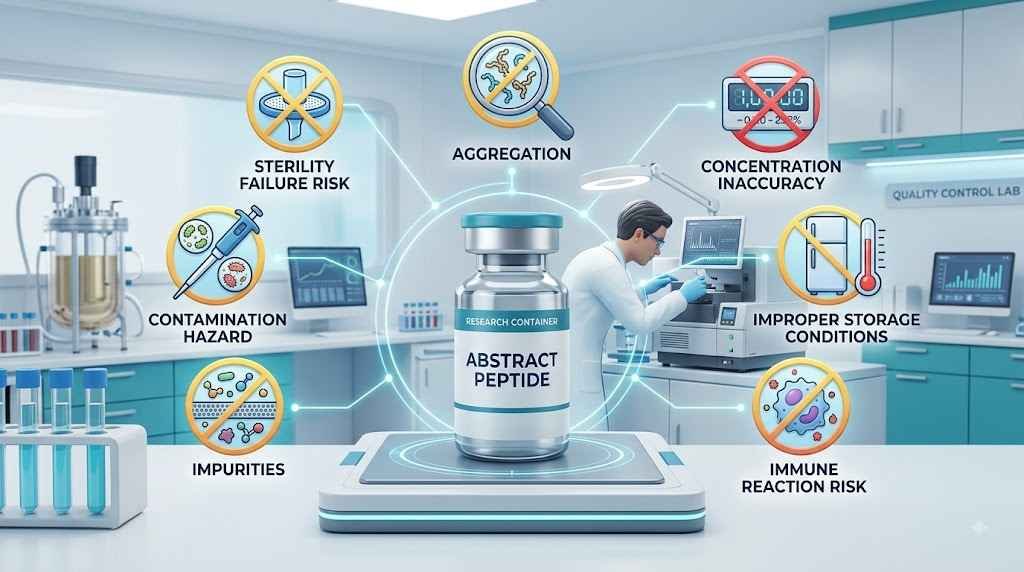
There are several variables that can affect injectable peptide safety, including:
- Sterility
- Endotoxin contamination
- Peptide purity
- Identity of the active ingredient
- Concentration accuracy
- Storage conditions
- Container integrity
- Manufacturing quality
- Contamination during preparation
The FDA specifically highlights concerns about peptide impurities, characterization, aggregation, and immunogenicity for BPC-157 and TB-500.
This is particularly important for injectable products because contamination can introduce risks that have nothing to do with the peptide’s theoretical biological activity.
For educational purposes, the safest approach is to understand the principles of sterile pharmaceutical handling and rely on a qualified healthcare professional for any legitimate medical preparation.
Potential Side Effects and Safety Concerns
A lack of documented side effects does not mean a compound is proven safe.
Sometimes it simply means that researchers have not studied enough people for long enough.
FDA’s current information on BPC-157 states that available safety information is limited and that compounded products may present risks related to immunogenicity and peptide impurities.
For TB-500, FDA similarly identifies concerns involving immunogenicity and aggregation while noting the lack of human exposure data for drug products containing the compound.
Potential concerns can therefore include both the biological effects of the peptide and the quality of the product being administered.
Injection-Related Risks
When an experimental peptide is administered by injection, there are risks beyond the molecule itself.
These can include:
- Local irritation
- Infection
- Contamination
- Allergic or immune reactions
- Incorrect concentration
- Incorrect administration
- Reactions to impurities
The FDA has also warned that injectable products can bypass some of the body’s normal defenses against microorganisms and contaminants, potentially creating serious health risks.
That is one reason buying an injectable product from an unverified source can introduce an additional layer of uncertainty.
Is TB500 + BPC157 Legal?
The answer depends heavily on the country, product, intended use, and regulatory framework.
“Legal,” “approved,” and “available for purchase” are not interchangeable terms.
A substance may be available through an online vendor while not being approved as a treatment for human use.
In the United States, the FDA was actively evaluating BPC-157-related and TB-500-related bulk drug substances in July 2026 in connection with the 503A compounding framework. That evaluation should not be interpreted as approval of these peptides as established treatments.
The regulatory situation can also change over time.
Anyone considering experimental substances should check the rules that apply in their own country rather than relying on an online vendor’s description.
TB500 + BPC157 and Drug Testing
Competitive athletes should pay particular attention to anti-doping rules.
The sports-medicine community has specifically highlighted peptide use as an issue for athletes subject to anti-doping regulations. AOSSM notes that peptides may be prohibited under organizations such as WADA, NCAA, and professional sports bodies and recommends that athletes understand the rules applicable to their sport.
This matters because an athlete can potentially face consequences even if a compound is marketed online as a “research peptide.”
Competitive athletes should therefore consult the current prohibited-substance rules of their governing organization before using any experimental peptide.
TB500 + BPC157 for Tendons and Ligaments
Tendon and ligament recovery is one of the biggest reasons these peptides are discussed.
Animal research has generated interest in BPC-157 because experimental models have shown changes involving fibroblast activity, collagen organization, and vascular processes.
But a tendon injury in a human athlete is much more complicated than a laboratory model.
Recovery can depend on:
- Injury severity
- Location
- Tissue involved
- Blood supply
- Training load
- Previous injuries
- Rehabilitation strategy
- Age
- Nutrition
- Sleep
- Overall health
A peptide cannot replace proper diagnosis and rehabilitation.
If an athlete has persistent pain, swelling, weakness, instability, or loss of function, identifying the actual injury should come before searching for a recovery compound. GHRP-6 + CJC: How the Combination Works
TB500 + BPC157 for Muscle Recovery
Muscle recovery is another area where online claims often move faster than the evidence.
The idea is attractive: train hard, experience muscle damage and soreness, and use a compound supposedly associated with tissue repair.
But normal muscle recovery is influenced by dozens of factors.
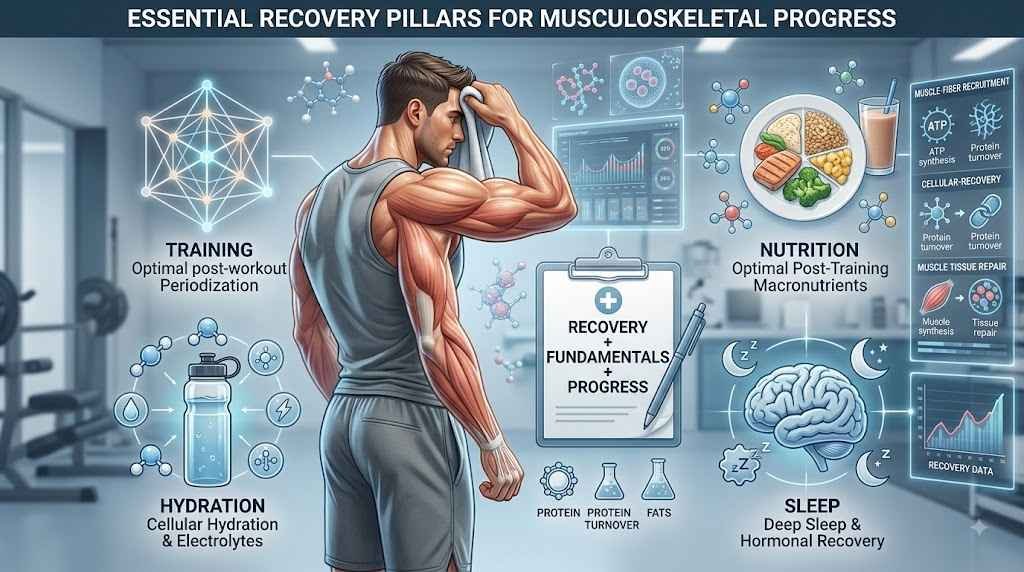
For most recreational lifters, the biggest improvements usually come from getting the basics right:
Training → nutrition → hydration → sleep → recovery management → progressive programming
Experimental peptides should not distract from these fundamentals.
It is also important to distinguish ordinary post-training soreness from an actual muscle injury. Severe pain, significant swelling, bruising, sudden loss of strength, or impaired movement may require professional evaluation rather than self-treatment.
TB500 + BPC157: What Beginners Should Understand First
A beginner researching these compounds should start with the evidence rather than with a cycle or dosage chart.
The key points are simple:
They are experimental.
Human evidence is limited.
The combination has not been adequately studied.
Online protocols are not the same as clinical guidelines.
Product quality can be a major concern.
Sports organizations may prohibit certain peptides.
An injury should be properly diagnosed rather than automatically treated as a peptide problem.
This evidence-first approach helps prevent one of the most common mistakes in peptide research: assuming that popularity equals proof.
What the Current Evidence Really Tells Us
The most accurate conclusion in 2026 is neither “these peptides are useless” nor “these peptides definitely work.”
The evidence is more nuanced.
Preclinical research has identified biological effects that justify further investigation. BPC-157 has attracted more human research than TB-500, but the available human studies remain small and limited. TB-500 has an even larger evidence gap, with FDA reporting no identified human clinical studies or exposure data for the compound.
At the same time, sports-medicine experts continue to emphasize that high-quality clinical evidence demonstrating meaningful benefits for athletes is lacking.
That means the subject deserves research—but also skepticism.
Final Takeaway
TB500 + BPC157 is one of the most talked-about experimental peptide combinations in modern fitness and recovery circles.
Its popularity comes from promising laboratory findings, proposed complementary mechanisms, and a large amount of anecdotal discussion.
But the scientific picture is not nearly as definitive as internet marketing often suggests.
BPC-157 has limited human research. TB-500 has an even greater lack of human evidence. The combination itself has not been adequately tested in controlled clinical trials. There is no established combination dosing protocol, and long-term safety remains uncertain.
For athletes and fitness enthusiasts, the smartest approach is to separate research from marketing, anecdotes from clinical evidence, and theoretical mechanisms from proven outcomes.
As research develops, the picture may become clearer. Until then, these compounds should be regarded as experimental rather than established recovery therapies.
After looking at the mechanisms, evidence, dosing uncertainty, product quality, and regulatory concerns, the next step is answering the questions people commonly ask when researching TB500 + BPC157.
This section focuses on what can reasonably be said from the available evidence without turning experimental research into medical advice.
TB500 + BPC157 Benefits: What Are People Actually Looking For?
When people search for the potential benefits of this combination, they are usually interested in several broad areas:
- Recovery after training
- Tendon and ligament problems
- Muscle soreness
- Soft-tissue injuries
- Joint discomfort
- Exercise-related inflammation
- General tissue repair
The interest is understandable because laboratory research has identified biological effects associated with both compounds.
However, a proposed biological mechanism is not the same thing as a demonstrated benefit in humans.
For example, evidence that a compound influences cellular migration or vascular processes does not automatically prove that an injured athlete will recover faster.
That distinction is especially important when reading testimonials or promotional material.
Can TB500 + BPC157 Speed Up Recovery?
There is currently insufficient clinical evidence to establish that the combination reliably accelerates recovery in humans.
Some of the enthusiasm comes from animal and laboratory research, particularly involving tissue repair and cellular processes.
Human recovery, however, involves far more variables than a controlled laboratory model.
The type and severity of an injury, rehabilitation, nutrition, sleep, training load, age, and general health can all influence the outcome.
Therefore, claims that the combination “dramatically speeds recovery” should be treated as anecdotal unless supported by controlled human research.
TB500 + BPC157 for Sports Injuries
Sports injuries are one of the most common reasons these compounds are discussed online.
Athletes may encounter discussions involving:
- Tendon injuries
- Ligament injuries
- Muscle strains
- Joint problems
- Overuse injuries
- Training-related inflammation
The important point is that these are not interchangeable conditions.
A tendon tear, muscle strain, ligament injury, and joint disorder can require completely different diagnoses and rehabilitation strategies.
Using an experimental compound without identifying the underlying problem can potentially delay appropriate treatment.
A proper evaluation should come before assuming that any peptide is appropriate.
TB500 + BPC157 Experiences: Why Anecdotes Are Difficult to Interpret
Online experiences can be interesting, but they should not be confused with clinical evidence.
Someone may report that their pain improved after using a peptide combination. That experience may be genuine, but it does not establish that the compounds caused the improvement.
Several other explanations are possible.
The person may have:
- Reduced training intensity
- Started physical therapy
- Improved sleep
- Changed nutrition
- Allowed the injury more time to heal
- Used other medications or supplements
- Experienced normal recovery
There is also a placebo effect and a natural tendency for symptoms to fluctuate over time.
This is why controlled studies are necessary.
Why Positive Testimonials Are Not Enough
A testimonial answers one question:
“What happened to this individual?”
A clinical trial attempts to answer a much more important question:
“What happens when this treatment is compared with an appropriate control across many people?”
Those are very different standards of evidence.
A collection of positive anecdotes may generate interest in a compound, but it cannot establish effectiveness or determine safety.
TB500 vs BPC157: How Should They Be Compared?
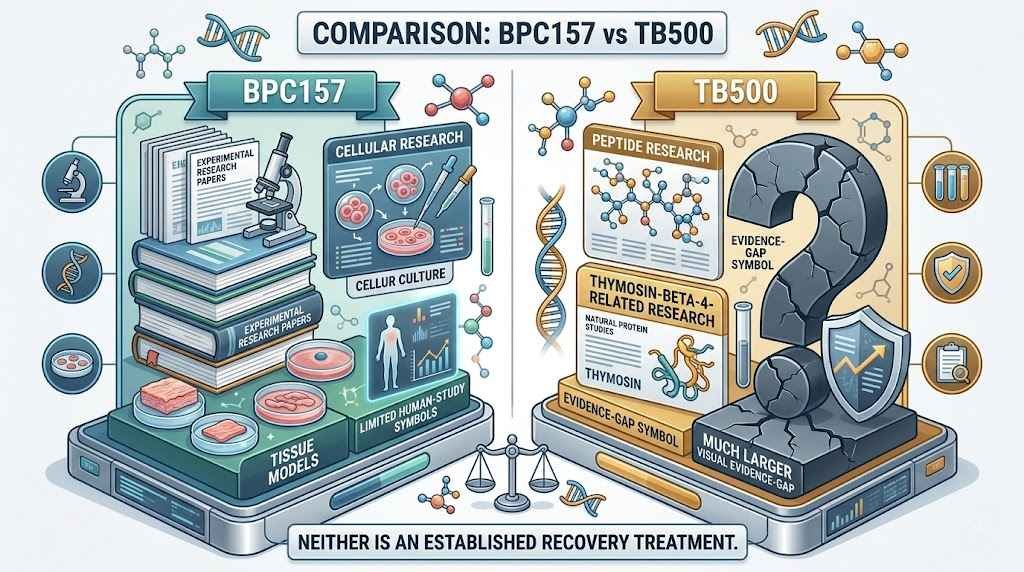
The two compounds are often placed side by side in online discussions, but the comparison needs context.
BPC-157 has attracted experimental research involving tissue-repair-related biological pathways and has a small amount of human clinical research.
TB-500 has a much larger evidence gap in humans.
That does not mean that BPC-157 has been proven to treat injuries.
It simply means that the available research landscape is different.
| Area | BPC-157 | TB-500 |
|---|---|---|
| Preclinical research | Considerable interest | Considerable interest around related thymosin-beta-4 biology |
| Human evidence | Limited | Extremely limited |
| Combination studies | Insufficient | Insufficient |
| Established medical treatment | No | No |
| Standardized combination protocol | No | No |
| Long-term safety established | No | No |
The table demonstrates why a simple “which peptide is better?” answer would be misleading.
Is TB500 + BPC157 Better Than Using One Compound?
There is no reliable human evidence demonstrating that the combination is superior to either compound alone.
The idea of combining them comes largely from the theory that they may influence different biological processes.
But theoretical complementarity is not proof of synergy.
A true synergy claim would require controlled research showing that the combination produces a meaningful improvement beyond the individual treatments.
That evidence is currently lacking.
Does More Than One Peptide Mean Faster Recovery?
Not necessarily.
More compounds can also mean more uncertainty.
When multiple experimental substances are introduced simultaneously, researchers have greater difficulty determining:
- Which compound caused an effect
- Which compound caused an adverse reaction
- Whether the compounds interact
- Whether the observed result was unrelated to either compound
This principle applies broadly to experimental drug and supplement combinations. GHK-CU Peptide: Benefits, Dosage, Side Effects & Uses
Is There a TB500 + BPC157 Cycle?
You may see online references to “cycles,” “loading phases,” “maintenance phases,” and different administration schedules.
These are generally community-created protocols rather than universally accepted clinical standards.
There is no established medical cycle for the combination that has been validated through adequate controlled human trials.
Therefore, readers should be careful when websites present a particular cycle as though it were an official medical protocol.
A protocol appearing repeatedly online does not make it evidence-based.
How Long Does TB500 + BPC157 Take to Work?
There is no scientifically established timeline for when a person should expect the combination to produce a clinical effect.
Online reports can range from very short periods to several weeks, but anecdotal timelines cannot establish a reliable response window.
The absence of improvement also does not necessarily mean that an injury requires a higher amount.
An unresolved injury may have an entirely different cause that requires diagnosis and rehabilitation.
Can TB500 + BPC157 Heal a Torn Tendon?
There is no established human clinical evidence demonstrating that this combination can reliably heal a torn tendon.
This is an especially important distinction because a tendon injury can range from mild irritation to a partial or complete tear.
The appropriate treatment can depend on the location and severity of the injury.
In some cases, imaging and specialist assessment may be necessary.
Experimental peptide use should not be presented as a substitute for diagnosis, rehabilitation, or surgical treatment when those interventions are medically indicated.
Can TB500 + BPC157 Help With Muscle Soreness?
Muscle soreness after resistance training is not automatically a sign of tissue injury.
Delayed-onset muscle soreness can occur after unfamiliar or intense exercise and usually improves with time.
Recovery fundamentals remain much more established:
Adequate protein + sufficient calories + hydration + sleep + sensible training progression
Persistent or unusually severe pain is different.
If pain is accompanied by substantial swelling, bruising, weakness, restricted movement, or sudden loss of function, professional assessment may be appropriate.
TB500 + BPC157 Safety: What Should Concern Researchers?
Safety is one of the biggest unanswered questions.
The available evidence does not provide enough information to establish the long-term safety profile of this combination.
Potential concerns extend beyond the intended biological effects of the compounds.
They can include:
- Unknown long-term effects
- Immune reactions
- Peptide impurities
- Aggregation
- Incorrect concentration
- Contamination
- Product mislabeling
- Injection-related complications
- Unknown interactions with other substances
This is why “no reported side effects” should never be interpreted as “proven safe.”
Limited surveillance can simply mean that the compound has not been studied extensively enough.
Can You Use These Peptides With Other Compounds?
This is another area where online discussions often become overly confident.
People may discuss combining experimental peptides with hormones, SARMs, stimulants, supplements, or prescription medicines.
The problem is that the interaction profile of an experimental peptide may not be adequately characterized.
Adding more compounds makes it increasingly difficult to identify the source of an unexpected reaction.
Anyone taking prescription medication or managing an existing medical condition should discuss experimental substances with an appropriately qualified healthcare professional rather than relying on internet stacking protocols.
Are TB500 and BPC157 FDA Approved?
No.
Neither compound should be presented as an FDA-approved treatment for general injury recovery.
The FDA has discussed both substances in the context of compounding and safety evaluation, but regulatory discussion does not equal approval.
This distinction is important because phrases such as “FDA reviewed,” “FDA listed,” or “available from a pharmacy” can easily be misunderstood as evidence of approval.
Regulatory status should always be checked against current official information.
Are These Peptides Approved for Athletes?
Approval and anti-doping status are separate issues.
An athlete may be prohibited from using a substance under their sporting organization’s rules even if that substance is not classified as an approved medicine.
Athletes competing under WADA, NCAA, professional sports, or national governing-body rules should check the current prohibited list applicable to their competition.
A product marketed as a research compound is not automatically permitted in sport.
Can Women Use TB500 + BPC157?
There is not enough high-quality human evidence to establish a reliable safety or effectiveness profile specifically for women.
This is another reason generalized internet protocols can be problematic.
Biological response, pregnancy considerations, reproductive health, medications, and underlying medical conditions can all affect risk.
Pregnant or breastfeeding individuals should be especially cautious about experimental substances and should seek appropriate medical guidance.
Can Beginners Research These Peptides Safely?
Yes, researching a compound and using it are two different things.
A beginner can learn about:
- The scientific background
- Preclinical research
- Human studies
- Regulatory status
- Known uncertainties
- Anti-doping considerations
- Product-quality concerns
The safest starting point is to evaluate the evidence rather than beginning with a dosage chart.
A useful rule is:
Research first. Diagnosis second. Treatment decisions third.
That approach prevents internet popularity from becoming a substitute for medical evidence.
TB500 + BPC157 FAQ
Is the combination proven to work?
No. There is currently insufficient high-quality human evidence to establish that the combination improves injury recovery.
Is BPC-157 better researched than TB-500?
Yes, in terms of human evidence, BPC-157 has a larger research base. However, its human evidence remains limited and does not establish it as an approved injury treatment.
Is TB-500 the same thing as thymosin beta-4?
They should not automatically be treated as interchangeable. Research involving thymosin beta-4 should not automatically be assumed to apply to TB-500 products.
Is there a standard dose?
No universally accepted, evidence-based human dose exists for the combination.
Is there a medically established cycle?
No. Online cycles are generally community-created rather than validated clinical protocols.
Can the combination repair a torn ligament?
There is not sufficient human evidence to make that claim.
Can it replace physical therapy?
No. Experimental peptide use should not be considered a replacement for appropriate rehabilitation.
Can it eliminate muscle soreness?
There is insufficient clinical evidence to establish that it reliably eliminates ordinary exercise-related soreness.
Are there long-term safety studies?
No adequate long-term safety database exists for the combination.
Why are these compounds so popular?
Their popularity is driven by promising preclinical research, social-media discussions, anecdotal reports, and interest from athletes looking for alternatives for recovery.
Popularity, however, is not the same as clinical validation.
Why do different websites give different doses?
Because there is no universally accepted clinical dosing standard. Online protocols may originate from different experimental studies, anecdotal reports, or vendor-created material.
Should an athlete check anti-doping rules?
Absolutely. Athletes should verify the current rules of their specific governing organization before using experimental compounds.
The Bottom Line for Readers
The biggest takeaway from researching TB500 + BPC157 is that the scientific story is still developing.
There is enough preclinical evidence to explain why researchers are interested in these compounds, but not enough high-quality human evidence to justify presenting them as established recovery treatments.
BPC-157 has a somewhat larger human research base, while TB-500 remains particularly limited in human evidence.
The combination itself has an even larger evidence gap.
That means readers should be cautious with claims involving guaranteed healing, dramatic recovery acceleration, standardized cycles, or universally safe dosing.
The most responsible way to approach the subject is to separate what researchers have observed, what humans have actually been studied for, and what remains speculation.
For anyone dealing with an actual injury, diagnosis and evidence-based rehabilitation should remain the foundation of recovery. Are SARMs Safe? The Complete Science-Based Guide
Want to Know More About TB500 + BPC157?
Confused about TB500 + BPC157 benefits, research, dosage questions, cycles, safety, tendon recovery, muscle recovery, or the differences between the two?
Read our complete guide to understand the science, available evidence, safety concerns, and the most common questions surrounding these experimental peptides.
For more information, contact us on WhatsApp:
WhatsApp: +91 7696593279
Get in touch for more information about our fitness, bodybuilding, and research-related content.



[645921]supplies professional anti-violence equipments and solutions for the whole world with strong and perfect production capacity. anti-violence.org
[…] And this is an important point for readers: Ozempic and Wegovy both contain semaglutide, but they are not simply two names for the exact same treatment. Their approved indications and dosing instructions are different. TB500 + BPC157: Benefits, Dosage, Safety & Research Guide […]