The popularity of Selective Androgen Receptor Modulators (SARMs) has grown rapidly over the last decade, making them one of the most searched performance-enhancing compounds in the fitness industry. Many bodybuilders and athletes turn to SARMs because they are often promoted as a safer alternative to anabolic steroids, promising lean muscle growth, increased strength, and improved recovery with fewer side effects. But the biggest question remains: Are SARMs safe?
The short answer is that SARMs may have a different risk profile than anabolic steroids, but they are not free of risks. Current research suggests that SARMs can still suppress natural testosterone production, affect cholesterol levels, increase liver enzyme levels in some cases, and produce other unwanted effects. In addition, none of the commonly marketed SARMs have been approved for bodybuilding or muscle-building purposes, and the quality of products sold online can vary significantly.
Understanding the facts is essential before considering any performance-enhancing compound. Marketing claims, social media influencers, and online forums often present conflicting information, making it difficult to separate science from opinion. LGD-4033 vs MK-677: Full Comparison Guide
In this comprehensive guide, you’ll learn:
- What SARMs are and how they work
- Whether SARMs are actually safe according to current research
- The most common SARMs side effects
- How SARMs compare with anabolic steroids
- Who should avoid SARMs completely
- Practical ways to reduce potential risks
- Frequently asked questions about SARMs safety
By the end of this article, you’ll have a balanced, evidence-based understanding of the potential benefits, limitations, and health risks associated with SARMs.
What Are SARMs and Are SARMs Safe to Use?
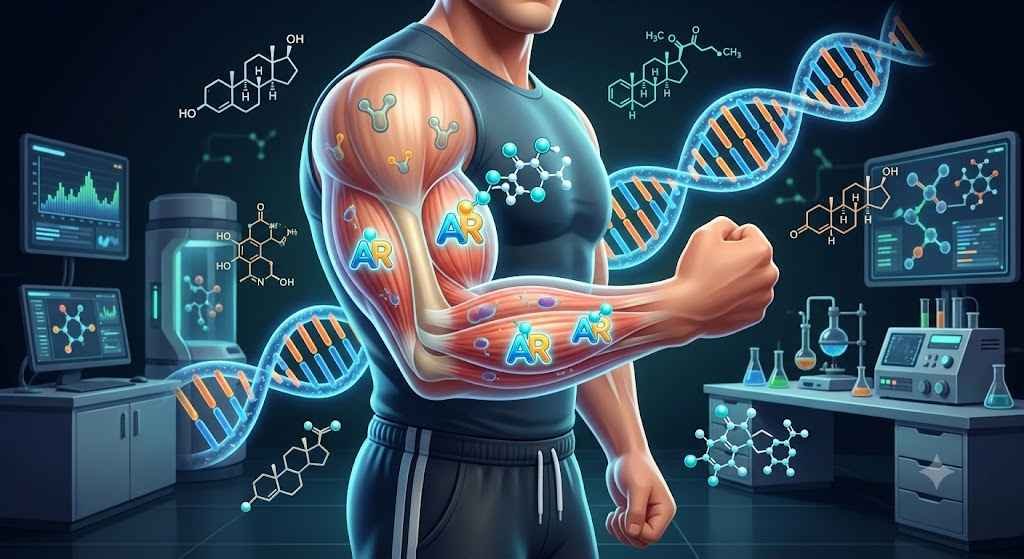
Selective Androgen Receptor Modulators, commonly known as SARMs, are synthetic compounds that interact with androgen receptors in the body. They were originally developed by researchers to investigate treatments for medical conditions such as muscle wasting, osteoporosis, age-related muscle loss, and certain chronic diseases where preserving lean body mass could improve quality of life.
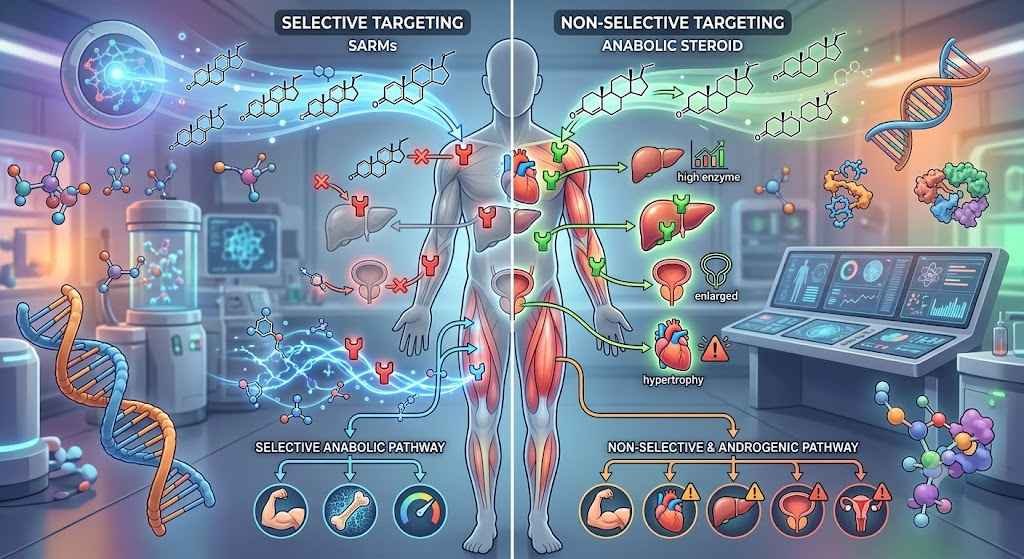
Unlike traditional anabolic steroids, which activate androgen receptors throughout the body, SARMs were designed to target muscle and bone tissue more selectively. This selective activity is one of the main reasons they became popular among bodybuilders seeking muscle-building effects while hoping to reduce unwanted androgenic side effects.
However, being more selective does not automatically mean SARMs are safe. Every SARM has its own pharmacological properties, and their effects depend on factors such as dosage, duration of use, individual genetics, age, overall health, and whether other performance-enhancing drugs are being used at the same time.
Another important consideration is product quality. Independent testing has found that some products marketed as SARMs may contain different ingredients than listed on the label, inaccurate dosages, or additional substances. This inconsistency can make it difficult to predict both effectiveness and safety.
Popular Types of SARMs
Some of the most commonly used SARMs include:
- Ostarine (MK-2866) – Often chosen for preserving lean muscle during cutting phases.
- Ligandrol (LGD-4033) – Popular for increasing muscle size and strength.
- RAD-140 (Testolone) – Frequently used during bulking cycles due to its potency.
- Andarine (S4) – Commonly selected for cutting and improving muscle definition.
- YK-11 – A myostatin-inhibiting compound often grouped with SARMs, although it differs structurally.
- ACP-105, AC-262536, and other research compounds – Newer compounds with limited human data.
Each of these compounds has a unique safety profile, making it inaccurate to assume that all SARMs carry the same level of risk.
How Do SARMs Work and Are SARMs Safe?
To understand whether SARMs are safe, it’s important to first understand how they work inside the body.
SARMs bind to androgen receptors, which are proteins found in tissues such as skeletal muscle, bones, the liver, skin, and reproductive organs. When these receptors are activated, they trigger biological processes that support muscle protein synthesis, improve nitrogen retention, and help maintain or increase lean muscle mass.
The primary goal behind developing SARMs was to create compounds that stimulate androgen receptors mainly in muscle and bone tissue while producing less activity in organs such as the prostate, skin, and hair follicles. This selective targeting is what distinguishes SARMs from anabolic steroids.
In theory, this approach could reduce certain androgenic side effects while still providing anabolic benefits. However, real-world results and clinical studies indicate that SARMs are not completely tissue-specific. Many compounds can still influence hormone production, liver function, cholesterol levels, and other biological systems.
The way a SARM behaves depends on several factors, including:
- The specific SARM being used
- The dosage and cycle length
- Individual genetics and hormone levels
- Existing medical conditions
- Whether SARMs are stacked with other compounds
For example, higher doses and longer cycles generally increase the likelihood of testosterone suppression and other side effects. Combining multiple SARMs or using them alongside anabolic steroids may further increase health risks. RAD 140 Results: Benefits, Dosage, Side Effects, Before & After
Although SARMs were designed to provide a more targeted approach than anabolic steroids, researchers continue to study their long-term effects. At present, there is insufficient long-term human data to conclude that SARMs are completely safe for recreational bodybuilding.
Why Do People Believe SARMs Are Safe?
One of the biggest reasons people ask “Are SARMs safe?” is because SARMs are frequently marketed as a safer alternative to anabolic steroids. Fitness influencers, online forums, and supplement websites often claim that SARMs can deliver impressive muscle growth with minimal side effects, leading many beginners to believe they are virtually risk-free.
Several factors contribute to this perception:
- SARMs are designed to target muscle and bone tissue more selectively than anabolic steroids.
- Many users report noticeable muscle gains without experiencing severe androgenic effects such as excessive acne or prostate enlargement.
- Some SARMs are taken orally, eliminating the need for injections, which makes them appear less intimidating to new users.
- Early clinical research suggested SARMs could have therapeutic applications for muscle-wasting diseases and osteoporosis.
While these points explain why SARMs have gained popularity, they should not be interpreted as proof that SARMs are completely safe. Scientific studies continue to identify potential health risks, particularly when SARMs are used in higher doses or for recreational bodybuilding rather than medical research.
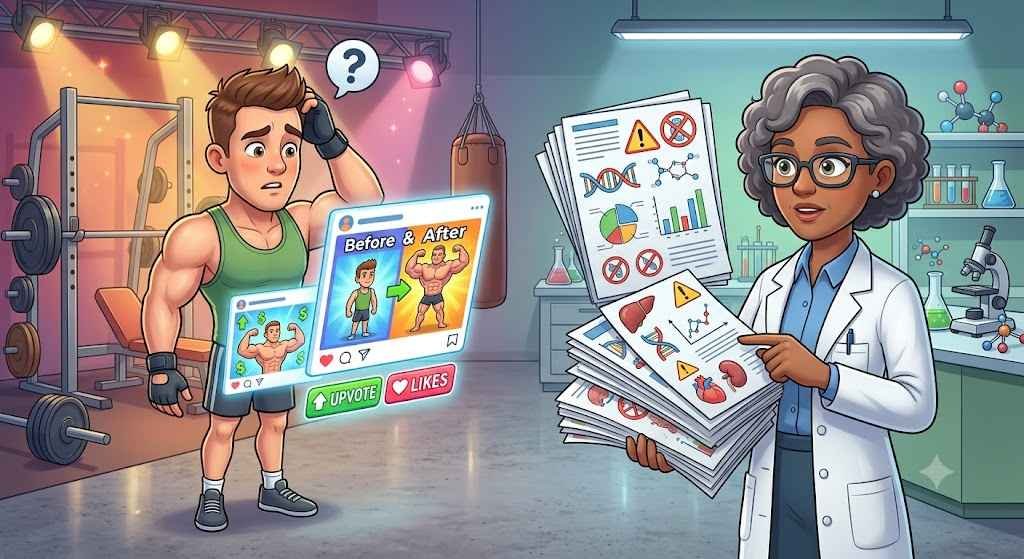
Another reason many people underestimate the risks is that they rely heavily on anecdotal reports from social media or bodybuilding forums instead of controlled clinical studies. Individual experiences can vary significantly, and what appears safe for one person may not be safe for another.
Are SARMs Safe According to Scientific Research?
The question “Are SARMs safe according to scientific research?” does not have a simple yes-or-no answer. Current evidence suggests that SARMs may produce fewer androgenic effects than traditional anabolic steroids, but they can still affect multiple systems within the body.
Researchers have investigated several SARMs in clinical trials for conditions such as muscle wasting, osteoporosis, breast cancer, and age-related loss of muscle mass. These studies have shown that some SARMs can increase lean body mass and improve physical performance under controlled conditions.
However, research has also identified several potential safety concerns, including:
- Suppression of natural testosterone production
- Changes in cholesterol levels
- Elevated liver enzymes in some participants
- Reduced HDL (“good”) cholesterol
- Temporary hormonal imbalances
- Unknown long-term effects
It’s also important to understand that most clinical studies use carefully controlled doses under medical supervision. Recreational users often take significantly higher doses, combine multiple SARMs in the same cycle, or use products that may not accurately match their labels. These practices can increase health risks beyond what has been observed in research settings.
Therefore, while available evidence provides valuable insights, it cannot be assumed that recreational SARMs use carries the same safety profile as medically supervised clinical trials.
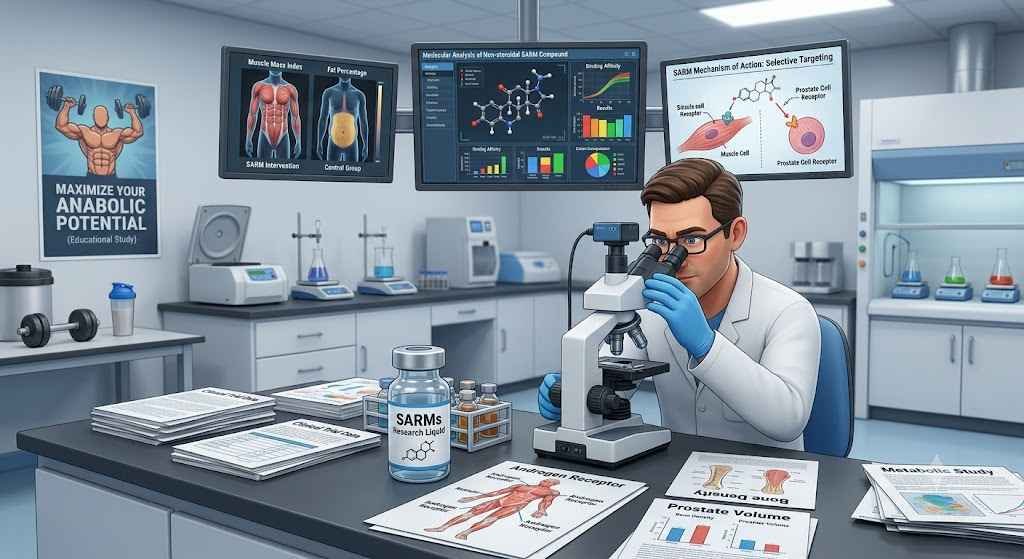
Are SARMs Safe Based on Human Clinical Studies?
Human studies have demonstrated that certain SARMs can increase lean muscle mass and improve physical function without producing all of the effects associated with traditional anabolic steroids. This is one of the reasons researchers continue investigating SARMs for specific medical conditions.
For example, studies involving compounds such as Ostarine (MK-2866) and Ligandrol (LGD-4033) have reported improvements in lean body mass over relatively short study periods.
However, these same studies have also documented measurable physiological changes, including:
- Reduced natural testosterone production
- Decreased luteinizing hormone (LH)
- Reduced follicle-stimulating hormone (FSH)
- Altered cholesterol profiles
- Mild increases in liver enzyme levels in some individuals
Although many of these changes appeared reversible after discontinuation, researchers emphasize that long-term safety remains uncertain, particularly for healthy individuals using SARMs solely for muscle-building purposes.
Another important limitation is that most clinical trials last only a few weeks or months. There is very limited information about the effects of repeated SARMs cycles over many years. SR9009 SARM (Stenabolic): Benefits, Dosage, Side Effects, Results
Are SARMs Safe for Long-Term Use?
One of the biggest unanswered questions is whether SARMs are safe for long-term use.
At present, there is no strong long-term clinical evidence confirming the safety of prolonged recreational SARMs use. Most available studies involve relatively short treatment periods, meaning researchers still lack sufficient data on the effects of repeated cycles over several years.
Potential concerns associated with long-term use include:
- Persistent testosterone suppression
- Ongoing alterations in cholesterol levels
- Increased cardiovascular risk
- Liver stress in susceptible individuals
- Unknown effects on fertility
- Potential endocrine disruption
Because these long-term outcomes have not been fully studied, it would be inaccurate to claim that SARMs are completely safe for extended use.
Another challenge is the quality of commercially available products. Independent laboratory testing has found that some products marketed as SARMs contain different ingredients than listed on the label, inaccurate dosages, or additional compounds. This variability makes it even more difficult to evaluate their long-term safety outside of controlled research environments.
For anyone considering SARMs, understanding these uncertainties is just as important as understanding their potential benefits. Making informed decisions requires looking beyond marketing claims and recognizing that the absence of long-term evidence is not evidence of long-term safety.
Are SARMs Safe for Muscle Growth and Bodybuilding?
One of the main reasons SARMs have become popular is their ability to support lean muscle growth, increase strength, and improve recovery without the widespread androgenic effects commonly associated with anabolic steroids. However, the question remains: Are SARMs safe for muscle growth and bodybuilding?
Current research suggests that certain SARMs may increase lean body mass and physical performance under controlled conditions. Compounds such as Ostarine (MK-2866) and Ligandrol (LGD-4033) have demonstrated anabolic effects in clinical studies, while bodybuilders often report improvements in muscle size, training intensity, and recovery.
Despite these potential benefits, it’s important to remember that more muscle does not automatically mean more safety. Recreational bodybuilding use often differs significantly from clinical research. Many users:
- Take doses far higher than those studied in clinical trials.
- Extend cycles beyond recommended research durations.
- Stack multiple SARMs together.
- Combine SARMs with anabolic steroids or other performance-enhancing drugs.
These practices can increase the likelihood of side effects and make it much harder to predict individual outcomes.
Another important factor is that bodybuilding goals often encourage pushing physical limits, which may lead users to ignore early warning signs of adverse effects. Regular blood work, proper recovery, and realistic expectations are essential for anyone considering performance-enhancing compounds.
Ultimately, while SARMs may help support muscle growth, their effectiveness should always be weighed against their potential health risks.
Are SARMs Safe? Common Side Effects You Should Know
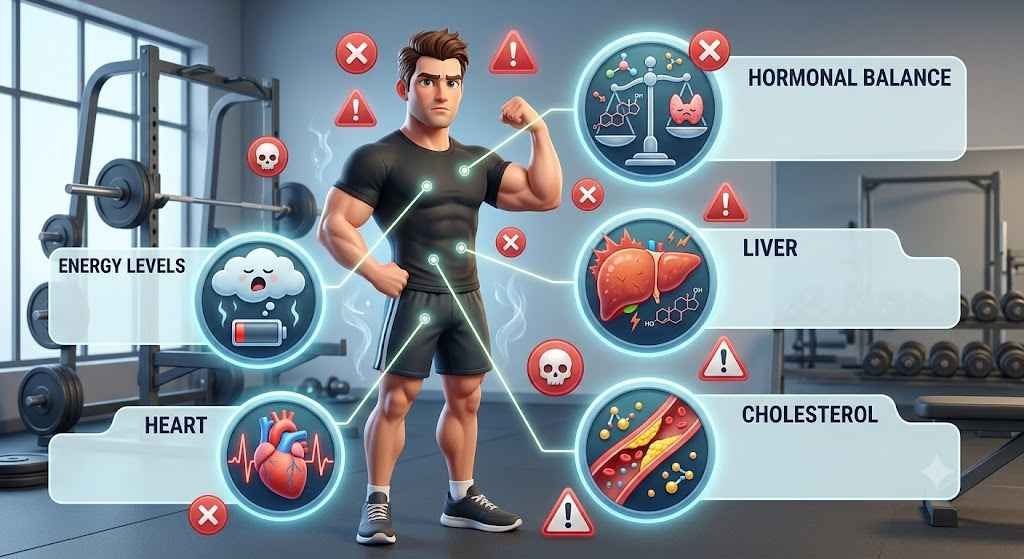
Anyone asking “Are SARMs safe?” should understand that every performance-enhancing compound carries potential side effects. Although SARMs were designed to be more selective than anabolic steroids, they still influence hormones and other important biological systems.
The severity of side effects varies depending on:
- The specific SARM used
- Daily dosage
- Cycle length
- Individual genetics
- Overall health
- Whether multiple compounds are combined
Some users experience only mild changes, while others may develop more significant hormonal or metabolic disturbances.
Below are the most commonly reported and scientifically discussed side effects.
Are SARMs Safe for Natural Testosterone Levels?
One of the best-documented concerns surrounding SARMs is testosterone suppression.
When external compounds activate androgen receptors, the body may reduce its own production of testosterone through negative feedback mechanisms. Studies have shown that some SARMs can decrease levels of:
- Total testosterone
- Free testosterone
- Luteinizing hormone (LH)
- Follicle-stimulating hormone (FSH)
The degree of suppression depends on the compound, dosage, and cycle length. More potent SARMs and higher doses generally result in greater hormonal suppression. S4 SARM (Andarine): Complete Guide
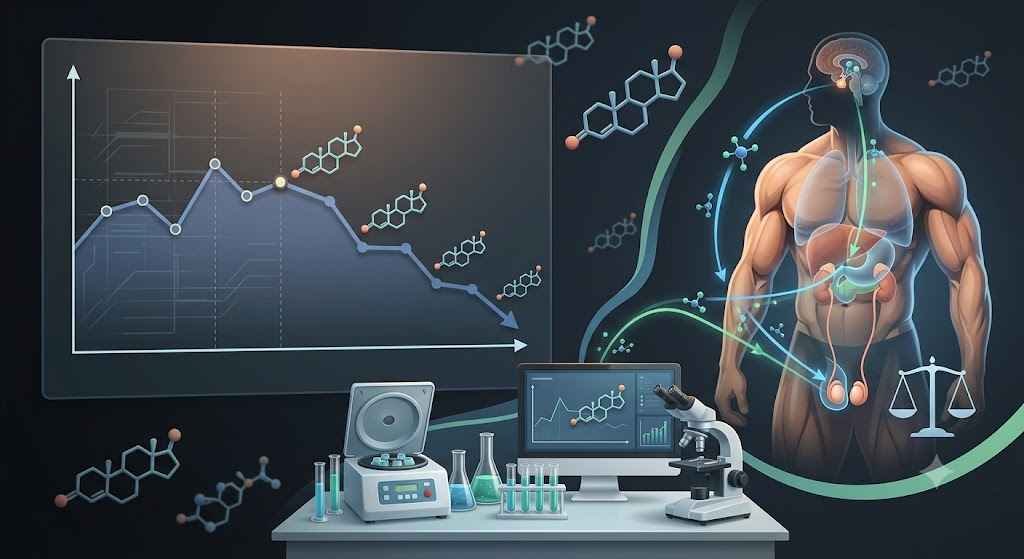
Common symptoms of reduced testosterone may include:
- Lower libido
- Fatigue
- Reduced motivation
- Mood changes
- Difficulty maintaining muscle after a cycle
- Decreased energy levels
For many users, hormone levels gradually recover after discontinuing SARMs, but recovery time varies significantly from person to person.
Are SARMs Safe for Your Liver?
Another frequently asked question is whether SARMs can damage the liver.
Some orally active SARMs have been associated with temporary increases in liver enzymes, which may indicate liver stress. However, available evidence suggests that the degree of liver toxicity is generally lower than that associated with many oral anabolic steroids.
Factors that may increase liver stress include:
- High daily doses
- Long cycles
- Combining multiple oral compounds
- Alcohol consumption
- Existing liver disease
- Use of other medications affecting liver function
Many users experience no noticeable symptoms even when liver enzymes are elevated, which is why routine blood testing is often recommended for those using performance-enhancing compounds.
Although severe liver injury appears uncommon, it remains possible, particularly when products are contaminated or inaccurately labeled.
Are SARMs Safe for Heart Health and Cholesterol?
Cardiovascular health is another important consideration.
Research has shown that some SARMs may negatively affect blood lipid profiles by:
- Reducing HDL (“good”) cholesterol
- Increasing LDL (“bad”) cholesterol in some individuals
- Altering triglyceride levels
Poor cholesterol balance may contribute to an increased long-term risk of cardiovascular disease, particularly when combined with unhealthy lifestyle habits.
Other factors that may increase cardiovascular risk include:
- Smoking
- High blood pressure
- Obesity
- Diabetes
- Family history of heart disease
- Long-term performance-enhancing drug use
Maintaining a heart-healthy diet, regular cardiovascular exercise, and routine blood work can help monitor these potential changes.
Are SARMs Safe for Hair and Skin?
Hair and skin-related side effects vary considerably between different SARMs.
Although SARMs generally produce fewer androgenic effects than anabolic steroids, some users still report:
- Increased acne
- Oily skin
- Accelerated hair thinning in genetically susceptible individuals
People with a family history of male pattern baldness may be more likely to notice hair loss while using androgen receptor-modulating compounds.
The likelihood of these side effects often increases with:
- Higher dosages
- Longer cycles
- More potent SARMs
- Individual genetic sensitivity
Not every user experiences these changes, but they remain possible.
Are SARMs Safe for Mental Health?
Hormonal fluctuations can affect emotional well-being as well as physical performance.
Some users report temporary psychological changes during or after SARMs cycles, including:
- Mood swings
- Increased irritability
- Reduced motivation
- Fatigue
- Difficulty concentrating
These symptoms may be related to hormonal suppression rather than the direct effects of SARMs themselves.
If emotional symptoms become severe or persist after discontinuation, professional medical evaluation is recommended.
Are SARMs Safe for Vision? (S4 Andarine)
Among all commonly used SARMs, Andarine (S4) is particularly known for its unique effects on vision.
Some users have reported:
- Yellow or green color tint
- Difficulty adjusting between bright and dark environments
- Reduced night vision
- Increased light sensitivity
These effects appear to be dose-dependent and are often reported to improve after reducing the dose or discontinuing the compound. However, because responses vary, anyone experiencing persistent visual disturbances should stop use and seek medical advice promptly.
This side effect is considered relatively specific to S4 and is not commonly reported with many other SARMs.
Can SARMs Cause Permanent Damage? Are SARMs Safe in the Long Run?
One of the most common concerns among athletes and bodybuilders is whether SARMs can cause permanent damage. While many users recover after discontinuing SARMs, the reality is that long-term human research is still limited, making it impossible to guarantee their long-term safety.
Most clinical trials involving SARMs lasted only a few weeks or months and were conducted under carefully controlled medical conditions. Recreational bodybuilding use often involves higher doses, longer cycles, and stacking multiple compounds, making direct comparisons difficult.
Potential long-term concerns include:
- Persistent testosterone suppression in some individuals
- Reduced fertility due to prolonged hormonal disruption
- Long-term changes in cholesterol levels
- Increased cardiovascular risk
- Liver stress from repeated cycles
- Unknown effects on endocrine health
The good news is that many short-term side effects reported in clinical studies appeared to improve after discontinuation. However, because there is insufficient long-term evidence, it would be misleading to describe SARMs as completely safe for prolonged recreational use.
Anyone considering SARMs should understand that the absence of long-term research is not the same as proof of long-term safety.
Are SARMs Safe Compared to Anabolic Steroids?
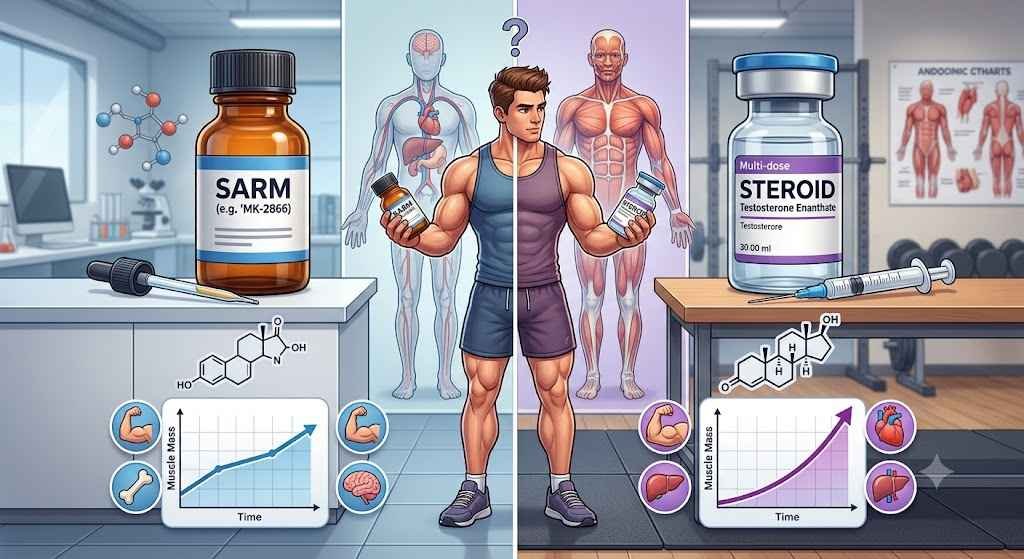
One of the biggest selling points of SARMs is that they are often promoted as a safer alternative to anabolic steroids. But are SARMs safe compared to steroids?
The answer depends on which risks are being compared. Oral Steroids for Beginners: Complete Guide
In general, SARMs were designed to target muscle and bone tissue more selectively than anabolic steroids. Because of this, they may produce fewer androgenic side effects such as severe acne, prostate enlargement, or excessive hair growth in some users.
However, SARMs are not risk-free. They can still:
- Suppress natural testosterone production
- Alter cholesterol levels
- Increase liver enzyme levels
- Affect mood and energy
- Carry unknown long-term health risks
SARMs vs. Anabolic Steroids
| Feature | SARMs | Anabolic Steroids |
|---|---|---|
| Muscle Growth | Moderate to High | Very High |
| Testosterone Suppression | Yes | Yes (often greater) |
| Liver Stress | Possible | Higher with many oral steroids |
| Cholesterol Changes | Possible | Common |
| Androgenic Side Effects | Generally Lower | Generally Higher |
| Long-Term Research | Limited | Better documented |
| Approved for Bodybuilding | No | No |
Although SARMs may have a different safety profile than anabolic steroids, they should not be viewed as harmless alternatives.
Who Should Avoid SARMs? Are SARMs Safe for Everyone?
The simple answer is no. SARMs are not appropriate for everyone, and certain individuals should avoid them entirely.
SARMs are not recommended for:
- Individuals under 18 years of age
- Pregnant or breastfeeding women
- People with liver disease
- Individuals with heart disease
- Those with uncontrolled high blood pressure
- Anyone with hormone-sensitive medical conditions
- Individuals recovering from serious illness without medical supervision
Even healthy adults should carefully consider the potential risks before using SARMs for recreational bodybuilding.
If someone has existing medical conditions or takes prescription medications, consulting a qualified healthcare professional before using any performance-enhancing compound is strongly advised.
How to Reduce SARMs Risks
Although no strategy can eliminate every risk, responsible decision-making may help reduce potential harm.
Use Evidence-Informed Dosages
Higher doses do not always produce proportionally better results. Excessive dosing increases the likelihood of side effects without guaranteeing significantly greater muscle growth.
Avoid Stacking Multiple SARMs
Using several SARMs simultaneously places greater stress on the endocrine system and makes it much more difficult to identify the cause of any side effects.
Beginners especially should avoid combining multiple compounds.
Monitor Your Blood Work
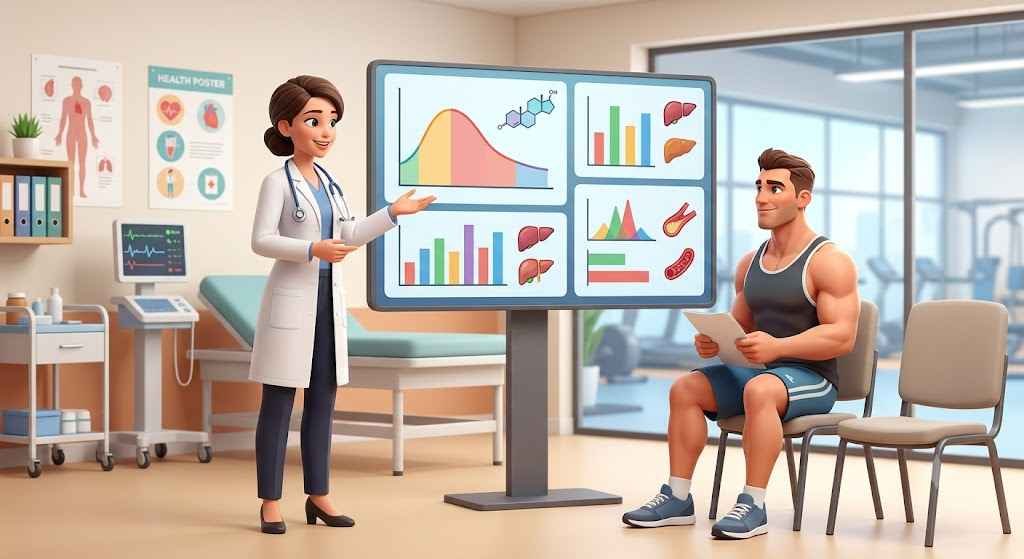
Routine blood tests can help identify potential problems before they become serious.
Important markers include:
- Total Testosterone
- Free Testosterone
- LH
- FSH
- Estradiol
- Liver Function (ALT & AST)
- Lipid Profile
- Complete Blood Count (CBC)
Regular monitoring provides valuable information about how your body is responding.
Prioritize Recovery
Hormonal recovery varies from person to person.
Maintaining:
- High-quality sleep
- Balanced nutrition
- Adequate protein intake
- Stress management
- Consistent training
can support overall recovery after discontinuing performance-enhancing compounds.
Buy Products from Trusted Sources
One of the biggest concerns in the SARMs market is product quality.
Independent testing has shown that some products sold online contain:
- Incorrect dosages
- Different active ingredients
- Undisclosed compounds
- Contaminants
Choosing reputable suppliers that provide transparent quality-control information may help reduce the risk of receiving mislabeled products. Side Effects of Anabolic Steroids in Bodybuilding
Frequently Asked Questions: Are SARMs Safe?
Are SARMs safe for beginners?
Even beginners can experience testosterone suppression, cholesterol changes, and other side effects. Anyone considering SARMs should understand the risks before using them.
Are SARMs safe without PCT?
Recovery varies between individuals and depends on the specific compound, dose, and cycle length. Some users recover naturally, while others may experience prolonged hormonal suppression. Decisions regarding post-cycle management should be made with medical guidance rather than assumptions.
Are SARMs safe for women?
Some SARMs have been studied for medical use in women, but recreational bodybuilding use still carries potential risks, including hormonal changes and other side effects. Women should exercise particular caution.
Are SARMs safer than steroids?
SARMs may produce fewer androgenic side effects than many anabolic steroids, but they still carry significant health risks and should not be considered completely safe.
Are SARMs legal?
The legal status of SARMs varies by country. In many regions, they are available only for research purposes and are not approved for bodybuilding or recreational muscle enhancement. Always check your local laws before purchasing or using them.
Final Verdict: Are SARMs Safe?
So, are SARMs safe?
Based on the current scientific evidence, SARMs may have a different risk profile than traditional anabolic steroids, but they are not risk-free. They can support lean muscle growth and strength under certain conditions, yet they may also suppress natural testosterone production, alter cholesterol levels, affect liver function, and carry unknown long-term health risks.
Much of the available research comes from short-term clinical studies, while recreational bodybuilding often involves higher doses, longer cycles, and product quality concerns that increase uncertainty.
If you’re considering SARMs, base your decision on reliable evidence rather than marketing claims or anecdotal reports. Understanding both the potential benefits and the risks is essential for making an informed choice.
Looking for Premium-Quality SARMs?
At Gym Pundit, we are committed to educating the bodybuilding community with evidence-based information while connecting athletes with high-quality performance-enhancing products from trusted brands.
Whether you’re researching RAD-140, LGD-4033, Ostarine, S4, YK-11, or other SARMs, our team is here to help you make informed decisions.
Need product guidance or have questions?
📲 WhatsApp us directly:
https://wa.me/917696593279
Our team will be happy to assist you with product information, cycle guidance, and general inquiries.



[…] If symptoms are significant, medical assessment is more appropriate than guessing. Are SARMs Safe? The Complete Science-Based Guide […]