Peptides for bodybuilding have become one of the most discussed subjects in modern fitness. From growth-hormone secretagogues and recovery compounds to IGF-related molecules and metabolic research peptides, the category includes substances with very different mechanisms and levels of scientific evidence.
For anyone researching peptides for bodybuilding, understanding these differences is essential. Some compounds have legitimate medical applications, while others remain experimental and have no established human dosage.
This complete guide to peptides for bodybuilding explains the major peptide categories, how they work, what researchers have investigated, available clinical dosing information, potential safety concerns, regulatory considerations, and anti-doping rules.
The goal is not simply to list peptides for bodybuilding, but to explain what is actually known about each compound.
This guide takes a closer look at the major peptide categories, what researchers know about them, why athletes discuss them, and how dosing should be interpreted. CJC 1295: Benefits, DAC vs No DAC, Ipamorelin, Dosage
What Are Peptides for Bodybuilding?
The term peptides for bodybuilding generally refers to short chains of amino acids that are discussed in connection with muscle growth, recovery, body composition, hormonal signaling or exercise performance.
However, not every peptide marketed toward bodybuilders actually builds muscle.
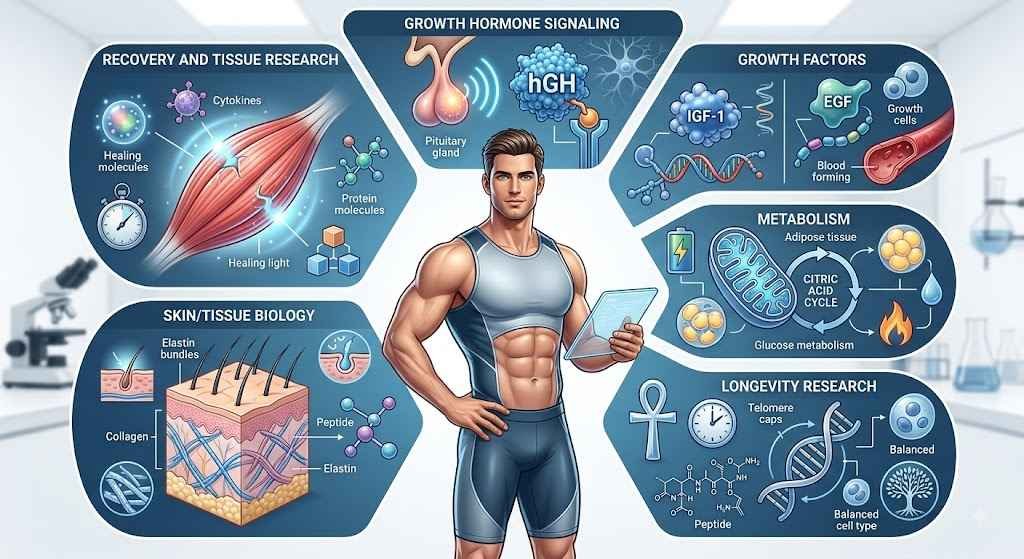
Some peptides for bodybuilding influence growth-hormone signaling. Others are researched for tissue repair, metabolism, pigmentation, immune function or growth-factor pathways.
This is why readers researching peptides for bodybuilding should evaluate each compound separately instead of assuming that all peptides produce similar effects.
Common categories include:
- Growth hormone-releasing peptides
- Growth hormone-releasing hormone analogues
- Tissue and recovery-related peptides
- Growth-factor-related compounds
- Body-composition and fat-metabolism peptides
- Copper peptides
- Other signaling peptides
The important distinction is that these categories do not mean every compound within them has been proven to increase muscle mass or improve athletic performance.
For example, the 2026 World Anti-Doping Agency prohibited list includes growth hormone, GH fragments, GHRH analogues, growth hormone secretagogues, GHRPs, IGF-1, mechano growth factors and thymosin-β4 derivatives such as TB-500.
How Do Peptides Work in the Body?
The mechanism depends entirely on the individual compound.
Some peptides interact with receptors involved in hormonal signaling. Others may influence inflammatory pathways, cellular signaling, tissue remodeling or metabolic processes.
Growth Hormone Signaling
One of the most discussed pathways involves growth hormone (GH).
The hypothalamus and pituitary gland work together to regulate GH secretion. Growth hormone can subsequently influence production of insulin-like growth factor-1 (IGF-1), particularly through the liver.
This is why compounds such as CJC-1295, sermorelin, ipamorelin, GHRP-2, GHRP-6 and hexarelin are frequently grouped together in bodybuilding discussions.
WADA classifies these types of compounds as growth-hormone-releasing factors or related substances. Its current list specifically includes CJC-1295, sermorelin, tesamorelin, ipamorelin, GHRP-2, GHRP-6 and hexarelin.
Recovery and Tissue Signaling
Another category includes compounds promoted for recovery or tissue-related purposes.
BPC-157 and TB-500 are two examples frequently discussed online. Their popularity has grown considerably, but the evidence supporting their use in healthy athletes is much less established than online marketing often suggests.
The FDA currently notes that safety information for BPC-157 is limited and that compounded BPC-157 can raise concerns involving immunogenicity and peptide impurities. Similar concerns exist for TB-500, for which the FDA says it has not identified human exposure data for drug products containing the compound.
Growth Factors
Another group includes IGF-1 and mechano-growth-factor-related compounds.
These are particularly relevant to bodybuilding discussions because growth factors can influence cellular growth and tissue processes. However, that does not make them appropriate or safe tools for muscle building.
WADA specifically places IGF-1 and its analogues, MGFs and several other growth factors under its prohibited categories.
Peptides for Bodybuilding vs. Approved Medical Peptides
This distinction is extremely important.
A peptide can have legitimate medical research or therapeutic applications without being approved for bodybuilding.
For example, tesamorelin has a specific medical indication, while other compounds frequently discussed by bodybuilders have no comparable approved indication for increasing muscle mass or improving athletic performance.
Likewise, the existence of clinical research does not automatically establish that a compound is safe for recreational use.
The FDA explains that peptide drug development requires consideration of issues including pharmacokinetics, drug interactions, QTc risk, safety and immunogenicity.
Therefore, throughout this guide, we will separate:
Established medical use
What a peptide has actually been studied or approved for.
Research evidence
What controlled research has found.
Bodybuilding claims
What fitness communities commonly claim about a compound.
Validated dosage
A dose established for a particular medical indication.
Unvalidated bodybuilding dosage
Internet protocols that should not be presented as medically established dosing.
That distinction will be especially important when we reach the dosage section.
Why Are Peptides Popular Among Bodybuilders?
There are several reasons these compounds attract attention.
Interest in Growth Hormone Pathways
Bodybuilders are naturally interested in compounds that influence GH signaling because GH and IGF-1 are involved in growth, metabolism and tissue physiology.
This has made compounds such as CJC-1295, ipamorelin and GHRP-6 particularly popular subjects in fitness communities.
Interest in Recovery
Hard training creates substantial physical stress. Consequently, athletes are interested in anything that might support recovery between training sessions.
This is one reason BPC-157 and TB-500 are frequently discussed online.
However, the popularity of a recovery peptide does not establish that it produces meaningful improvements in trained humans.
Interest in Body Composition
Some compounds are promoted for fat-loss or body-composition purposes.
AOD-9604 and HGH Fragment 176-191, for example, are commonly discussed in this context. Both are also included within WADA’s prohibited growth-hormone-related categories.
Interest in Research
The peptide field continues to attract scientific interest because peptides can interact with highly specific biological targets.
That makes them valuable subjects for pharmaceutical research, but research interest should not be mistaken for a recommendation for self-administration.
Are All Peptides the Same?
Absolutely not.
This is one of the biggest misconceptions surrounding peptide use.
Consider the difference between:
CJC-1295
A growth-hormone-releasing hormone analogue.
Ipamorelin
A growth-hormone secretagogue.
BPC-157
An investigational peptide frequently discussed in relation to tissue and recovery research.
IGF-1
A growth factor involved in growth and cellular signaling.
GHK-Cu
A copper-binding peptide investigated in areas including skin and tissue biology.
These compounds have different structures, targets, mechanisms, and evidence bases.
Therefore, simply calling something a “peptide” tells you very little about what it does.
What About Peptide Dosage?
This is where online information can become particularly misleading.
There is no single dosage for peptides.
Each compound has its own pharmacology, and a dose studied for a particular medical condition cannot automatically be transferred to bodybuilding.
For investigational compounds, there may be no established safe or effective bodybuilding dose at all.
For that reason, the dosage tables later in this article will distinguish between:
- Established clinical doses
- Doses used in published research
- Compounds without an established human therapeutic dose
- Commonly advertised bodybuilding protocols that lack adequate clinical validation
We will not present an unverified internet protocol as though it were an established medical recommendation.
This approach is particularly important because FDA has identified limited safety information for numerous compounds marketed in the peptide space.
Peptides and Competitive Bodybuilding
Competitive athletes also need to consider anti-doping rules.
The 2026 WADA Prohibited List is currently in force and includes numerous peptide hormones, growth factors and growth-hormone-releasing substances. Examples include CJC-1295, sermorelin, tesamorelin, ipamorelin, GHRP-2, GHRP-6, hexarelin, AOD-9604, hGH 176-191, IGF-1, MGFs and TB-500.
Therefore, an athlete competing under a tested federation should never assume that a peptide is permitted simply because it is not an anabolic steroid.
Checking the current anti-doping rules before using any substance is essential.
Most Popular Peptides for Bodybuilding
The peptide market is broad, but a relatively small group of compounds appears repeatedly in bodybuilding discussions. Some are investigated for their effects on growth-hormone signaling, while others are associated with recovery, body composition or growth-factor pathways.
The most important thing to understand is that popularity does not equal clinical validation. Several of these compounds are investigational, and some are prohibited in tested sport. The 2026 WADA list includes CJC-1295, sermorelin, tesamorelin, ipamorelin, GHRP-2, GHRP-6, hexarelin, AOD-9604, hGH 176-191, IGF-1, MGF and TB-500 among prohibited substances.
Let’s examine the major compounds individually.
CJC-1295
CJC-1295 is a synthetic growth-hormone-releasing hormone (GHRH) analogue. It is designed to interact with the body’s GHRH pathway and stimulate the pituitary gland to release growth hormone.
It is frequently discussed alongside ipamorelin and other growth-hormone secretagogues.
Why Is CJC-1295 Popular?
Bodybuilding discussions commonly associate CJC-1295 with:
- Growth-hormone signaling
- Recovery
- Body-composition goals
- Sleep and recovery quality
- Potential support of IGF-1 production
However, these associations should not be interpreted as proof that CJC-1295 safely builds muscle in healthy athletes.
FDA currently states that clinical data for CJC-1295 are limited and identifies concerns involving immunogenicity and peptide-related impurities. FDA has also reported serious adverse events associated with CJC-1295, including increased heart rate and systemic vasodilatory reactions.
CJC-1295 Dosage
There is no FDA-approved bodybuilding dosage for CJC-1295.
Online bodybuilding protocols can vary substantially, and those protocols should not be confused with validated therapeutic dosing. Consequently, this article does not present an internet protocol as an established safe dose.
CJC-1295 is also prohibited by WADA under its growth-hormone-releasing-factor category.
Ipamorelin
Ipamorelin is a growth-hormone secretagogue that acts through the ghrelin receptor pathway.
Unlike GHRH analogues such as CJC-1295, ipamorelin belongs to the secretagogue group. It is therefore often discussed as a complementary mechanism in peptide combinations.
Why Do Bodybuilders Discuss Ipamorelin?
Common bodybuilding claims include:
- Supporting GH release
- Recovery
- Sleep
- Body-composition management
- Supporting the GH/IGF-1 axis
The evidence should nevertheless be interpreted carefully.
FDA currently identifies limited information about the safety of compounded ipamorelin acetate and notes concerns involving peptide impurities and immunogenicity. FDA also notes that serious adverse events, including deaths, were reported in one study involving intravenous administration for gastric motility, although that does not establish that the same risks occur with every route.
Ipamorelin Dosage
There is no FDA-approved bodybuilding dose for ipamorelin.
Because route, formulation, purity and clinical indication can materially change the risk profile, a bodybuilding protocol should not be presented as a medically established dosage.
Ipamorelin is prohibited in tested sport under WADA’s growth-hormone secretagogue category.
GHRP-2
GHRP-2, also known as pralmorelin, is a growth-hormone-releasing peptide.
It is frequently discussed in the same category as GHRP-6 and hexarelin because these compounds influence growth-hormone secretion.
What Is GHRP-2 Used For?
In bodybuilding communities, GHRP-2 is commonly associated with:
- GH stimulation
- Recovery
- Body-composition goals
- The GH/IGF-1 pathway
Research interest does not mean that recreational bodybuilding use has been established as safe or effective.
FDA specifically reports concerns regarding compounded GHRP-2, including potential immunogenicity and peptide-related impurities. The agency also notes reports of serious adverse events, although causality has not been established for all reported events.
GHRP-2 Dosage
There is no FDA-approved bodybuilding dosage for GHRP-2.
Therefore, published bodybuilding protocols should not be represented as validated therapeutic dosing.
GHRP-2 is also prohibited under WADA’s GHRP category.

GHRP-6
GHRP-6 is another growth-hormone-releasing peptide and is one of the more recognizable names in peptide-focused bodybuilding communities.
Why Is GHRP-6 Popular?
Discussions around GHRP-6 commonly focus on:
- Growth-hormone release
- Recovery
- Body composition
- Appetite
The appetite aspect is particularly relevant because GHRP-6 interacts with pathways related to ghrelin signaling.
GHRP-6 Safety
FDA states that available safety information for GHRP-6 is limited and identifies concerns including potential effects on cortisol and blood glucose through reduced insulin sensitivity. Compounded versions can also raise concerns about aggregation and peptide-related impurities.
GHRP-6 Dosage
There is no established FDA-approved bodybuilding dose for GHRP-6.
For that reason, this compound should not be assigned a generic “bodybuilding dose” as though such a dose has been clinically established.
GHRP-6 is prohibited under WADA’s current peptide-hormone rules.
Hexarelin
Hexarelin is a synthetic growth-hormone-releasing peptide belonging to the GHRP family.
It has been investigated because of its ability to influence GH secretion, but its presence in bodybuilding discussions is much greater than its established clinical role in routine bodybuilding.
Hexarelin and Bodybuilding
People commonly associate it with:
- GH release
- Recovery
- Body composition
- Growth-related signaling
However, these potential effects should be separated from proven improvements in muscle size or athletic performance.
Hexarelin Dosage
There is no FDA-approved bodybuilding dosage for hexarelin.
Athletes competing under anti-doping rules should also be aware that hexarelin is specifically listed among prohibited GHRPs by WADA.
Sermorelin
Sermorelin is a GHRH analogue that stimulates the pituitary gland to release growth hormone.
Unlike many newer compounds promoted online, sermorelin has a substantial history of medical investigation. FDA records show that sermorelin acetate received approval historically under the brand Geref for treatment of certain forms of growth hormone deficiency in children with growth failure.
That historical medical use still does not mean it is approved as a muscle-building drug for healthy adults.
Why Is Sermorelin Discussed in Fitness?
Fitness communities commonly associate sermorelin with:
- GH stimulation
- Recovery
- Sleep
- Body-composition goals
The actual clinical context is considerably narrower.
Sermorelin Dosage
A historical clinical dose should not automatically be converted into a bodybuilding protocol. There is no FDA-approved sermorelin dosage for muscle building in healthy bodybuilders.
Sermorelin is also included in WADA’s prohibited growth-hormone-releasing-factor category.
Tesamorelin
Tesamorelin is particularly interesting because, unlike many compounds on this list, it has an FDA-approved medical indication.
It is a growth-hormone-releasing-factor analogue used to reduce excess abdominal fat in HIV-infected adults with lipodystrophy. It is not approved as a general weight-loss medication or bodybuilding drug.
How Does Tesamorelin Work?
Tesamorelin acts on the GHRH pathway, increasing growth-hormone secretion and influencing downstream IGF-1 signaling.
Its approved indication is specifically focused on excess abdominal fat associated with HIV-related lipodystrophy.
Tesamorelin Dosage
This is an example where we can give a genuine approved clinical dosage, while making the indication crystal clear.
The current EGRIFTA WR prescribing information specifies 1.28 mg subcutaneously once daily for its approved indication. The older EGRIFTA SV formulation has a different dosage because the formulations are not interchangeable.
That dose should not be interpreted as a bodybuilding recommendation.
The current prescribing information also states that EGRIFTA WR is not indicated for weight-management treatment and that long-term cardiovascular safety has not been established.
Tesamorelin and Competitive Athletes
Tesamorelin is prohibited under WADA’s growth-hormone-releasing-factor category.
Quick Comparison of GH-Related Peptides
| Compound | Primary pathway | Common bodybuilding interest | Established bodybuilding dose? | WADA status |
|---|---|---|---|---|
| CJC-1295 | GHRH | GH/recovery | No | Prohibited |
| Ipamorelin | GH secretagogue | GH/recovery | No | Prohibited |
| GHRP-2 | GHRP | GH/recovery | No | Prohibited |
| GHRP-6 | GHRP | GH/recovery/appetite | No | Prohibited |
| Hexarelin | GHRP | GH/recovery | No | Prohibited |
| Sermorelin | GHRH analogue | GH/recovery | No | Prohibited |
| Tesamorelin | GHRH analogue | Body composition | No bodybuilding indication | Prohibited |
The table illustrates an important point: there is a major difference between a compound being discussed by bodybuilders and having an established bodybuilding dose.
Peptides for Bodybuilding: What Should Beginners Understand?
Beginners should avoid viewing these compounds as interchangeable.
CJC-1295 is not simply another name for ipamorelin. GHRP-6 is not equivalent to sermorelin. Tesamorelin’s approved medical indication does not make it a general-purpose fat-loss or muscle-building drug.
The differences include:
- Receptor activity
- Duration of action
- Clinical evidence
- Approved indications
- Side-effect profiles
- Product quality
- Anti-doping status
- Long-term safety information
This is why a responsible peptide guide should examine each compound individually rather than giving one generic peptide protocol.
Peptides for Bodybuilding and Recovery
Another major category of peptides for bodybuilding consists of compounds discussed primarily for tissue and recovery research.
BPC-157, TB-500, and thymosin-related compounds are frequently mentioned in this context.
The proposed mechanisms of these peptides for bodybuilding are very different from those of GH secretagogues.
Rather than simply increasing growth-hormone signaling, researchers have investigated these compounds in relation to tissue biology, inflammation, vascular processes, and cellular signaling.
However, this category requires especially careful interpretation. A large portion of the evidence comes from laboratory or animal research rather than well-controlled human trials. FDA currently identifies limited safety information and potential concerns for several of these compounds, including BPC-157, TB-500 and thymosin alpha-1.
BPC-157
BPC-157 is a synthetic pentadecapeptide that has attracted enormous interest among athletes because of research involving tissue repair, inflammation and gastrointestinal biology.
It is commonly described online as a “recovery peptide,” although that description can make the human evidence sound stronger than it actually is.
What Is BPC-157?
BPC-157 is a 15-amino-acid peptide originally investigated in relation to compounds derived from gastric juice.
Preclinical research has reported effects involving several biological processes, including angiogenesis, fibroblast activity and tissue signaling. However, the transition from promising laboratory findings to an established human treatment has not occurred.
A 2026 review found that BPC-157 still has no approved formulation, no validated dosing regimen and no completed Phase II clinical trial, with available human data coming from only a small number of pilot studies.
Why Do Bodybuilders Use BPC-157?
Fitness communities commonly associate BPC-157 with:
- Tendon and ligament recovery
- Muscle recovery
- Joint-related concerns
- Gastrointestinal support
- Exercise-related tissue stress
These are areas of interest rather than established bodybuilding indications.
Human evidence remains extremely limited. Recent reviews emphasize that much of the evidence supporting BPC-157 comes from preclinical research rather than large randomized human trials.
BPC-157 Dosage
This is an important distinction:
There is no established FDA-approved human dosage of BPC-157 for bodybuilding, injury recovery or general wellness.
Consequently, online protocols such as fixed microgram-per-day schedules should not be presented as clinically validated dosing.
FDA’s current assessment states that safety information for BPC-157 is limited and raises concerns about immunogenicity, peptide impurities and characterization of the active ingredient.
BPC-157 Safety
Potential concerns include:
- Limited human safety data
- Unknown long-term effects
- Product purity and contamination
- Immunogenic reactions
- Uncertainty surrounding different routes of administration
This is particularly relevant because compounded drugs are not FDA-approved and are not reviewed by the agency for safety, effectiveness or quality before marketing.

TB-500
TB-500 is commonly described as a synthetic fragment related to thymosin beta-4.
It is widely discussed in bodybuilding circles because of its proposed relationship with tissue repair, cellular migration and recovery.
What Is TB-500?
TB-500 is associated with the thymosin-beta-4 pathway. Researchers have investigated thymosin beta-4 in areas involving:
- Cell migration
- Wound healing
- Angiogenesis
- Tissue remodeling
- Cellular repair mechanisms
However, it is important not to confuse research involving thymosin beta-4 with proof that commercially marketed TB-500 products provide the same effects in humans.
Why Is TB-500 Popular in Bodybuilding?
Online bodybuilding discussions commonly associate TB-500 with:
- Recovery from training
- Tendon and ligament support
- Muscle recovery
- Mobility
- Tissue repair
Most of these claims remain ahead of the available clinical evidence.
TB-500 Dosage
There is no established FDA-approved human bodybuilding dosage for TB-500.
FDA states that it has not identified human exposure data for drug products containing thymosin beta-4 fragment (LKKTETQ), also known as TB-500, and identifies concerns involving immunogenicity and peptide-related impurities.
Therefore, commonly advertised loading and maintenance schedules should not be described as proven therapeutic dosing.
TB-500 and Drug Testing
Competitive athletes need to pay particular attention to TB-500.
The 2026 WADA Prohibited List includes thymosin-β4 and its derivatives, with TB-500 specifically identified in the prohibited substances documentation.
For a tested athlete, this is a significant consideration.
Thymosin Alpha-1
Thymosin alpha-1, often abbreviated as Ta1, is different from TB-500.
The two names are sometimes grouped together because both contain “thymosin,” but they are biologically distinct peptides with different functions.
What Is Thymosin Alpha-1?
Thymosin alpha-1 has primarily been investigated in relation to immune-system modulation.
Research has examined its potential role in:
- Immune responses
- Infectious diseases
- Immune function
- Vaccine responses
- Certain inflammatory conditions
This makes it quite different from compounds primarily promoted for growth-hormone signaling.
Why Is It Mentioned in Fitness Communities?
Some fitness discussions describe thymosin alpha-1 as a potential recovery or immune-support compound, particularly during periods of intense training.
However, there is insufficient evidence to conclude that healthy bodybuilders should use it to improve muscle growth or athletic performance.
Thymosin Alpha-1 Dosage
Unlike an approved bodybuilding supplement, thymosin alpha-1 has been studied clinically for specific medical purposes, and dosing depends on the indication, formulation and medical protocol.
It would therefore be inappropriate to take a dose used for one medical condition and label it a general bodybuilding dose.
FDA currently states that safety-related information for compounded thymosin alpha-1 is inadequate to fully understand the potential risks associated with the proposed compounded drug.
BPC-157 vs TB-500 vs Thymosin Alpha-1
Although these compounds are often mentioned together, they should not be treated as interchangeable.
| Compound | Main research interest | Bodybuilding reputation | Established bodybuilding dose? | Key concern |
|---|---|---|---|---|
| BPC-157 | Tissue/inflammatory biology | Recovery and injury support | No | Very limited human evidence |
| TB-500 | Thymosin-beta-4-related biology | Tissue recovery | No | Limited human exposure data |
| Thymosin Alpha-1 | Immune modulation | Immune/recovery support | No general bodybuilding dose | Safety depends on clinical context |
The biggest takeaway is simple: there is no universal “recovery peptide dose.”
Each compound has a different mechanism, evidence base and risk profile.
Can Recovery Peptides Build Muscle Directly?
This is another area where bodybuilding marketing can become misleading.
A compound being investigated for tissue repair does not automatically mean it directly stimulates skeletal-muscle hypertrophy.
Muscle growth primarily depends on factors such as:
- Progressive resistance training
- Adequate protein intake
- Sufficient calories
- Recovery
- Sleep
- Training consistency
- Individual genetics
A recovery-related compound may be discussed because athletes believe it could help them return to training, but that is different from directly increasing muscle protein synthesis or producing measurable hypertrophy.
Are BPC-157 and TB-500 Approved for Bodybuilding?
No.
Neither should be described as an FDA-approved bodybuilding treatment.
In fact, FDA’s 2026 advisory-committee materials show that BPC-157 and TB-500-related substances are still being evaluated in the context of compounding considerations. The July 2026 committee meeting specifically included BPC-157-related and TB-500-related bulk drug substances among the substances under discussion.
That ongoing regulatory evaluation is another reason readers should be cautious about websites presenting these compounds as established medicines.
Product Quality and Peptides for Bodybuilding
Product quality is another major consideration when researching peptides for bodybuilding.
The theoretical safety of a molecule does not guarantee the quality of a particular product.
Potential quality problems can include incorrect concentration, degradation, contamination, impurities or inadequate sterility.
This means evaluating peptides for bodybuilding requires looking at both the compound itself and the quality of the product being discussed.
Potential problems can include:
- Incorrect concentration
- Contamination
- Degradation
- Incorrect labeling
- Peptide aggregation
- Impurities
- Poor storage
- Inadequate sterility
FDA explains that compounded drugs are not FDA-approved and that poor compounding practices can result in contamination or incorrect amounts of active ingredient, potentially causing serious injury.
This is particularly important for injectable products.
Recovery Peptides: What Does the Evidence Actually Tell Us?
The current evidence can be summarized quite simply:
BPC-157: Promising preclinical research, but human evidence remains very limited and no validated bodybuilding dose exists.
TB-500: Widely discussed for recovery, but FDA reports no identified human exposure data for products containing the TB-500 fragment and highlights safety uncertainties.
Thymosin Alpha-1: Has a much broader medical research history than some other compounds in this category, but that does not establish a general bodybuilding indication or universal bodybuilding dose.
For readers, the most useful distinction is between scientific potential and proven clinical effectiveness.
Recovery Peptides and Competitive Athletes
Tested athletes should check the current anti-doping regulations before considering any peptide.
WADA’s 2026 framework prohibits numerous peptide hormones, growth factors and related compounds. TB-500 is specifically included, while other peptide categories such as growth-hormone-releasing peptides are also prohibited.
Anti-doping rules can change, so athletes should always consult the current prohibited list rather than relying on an old forum post or supplement website.
The Bottom Line on Recovery Peptides
BPC-157, TB-500 and thymosin alpha-1 are among the most frequently discussed recovery-related compounds in fitness communities, but their evidence profiles are very different.
The strongest lesson is that laboratory research, anecdotal reports and established human treatment are three different things.
A peptide can show impressive results in an animal model and still require years of research before its safety and effectiveness in humans are established.
For bodybuilding readers, understanding that distinction is much more valuable than simply memorizing a dosing protocol.
Peptides for Fat Loss and Body Composition
Fat loss is one of the biggest reasons peptides attract attention in bodybuilding and fitness communities. Several compounds are promoted online for reducing body fat, influencing lipolysis, changing growth-hormone signaling or improving body composition.
However, these compounds are not interchangeable, and the evidence behind them varies considerably.
Some have been investigated extensively in humans, while others remain largely experimental. A particularly important example is tesamorelin, which has an FDA-approved indication for reducing excess abdominal fat in adults with HIV-associated lipodystrophy. By contrast, compounds such as AOD-9604 and HGH Fragment 176-191 do not have an approved bodybuilding indication.
AOD-9604
AOD-9604 is a synthetic peptide derived from a portion of human growth hormone. It was designed to investigate some of the fat-metabolism effects associated with growth hormone without reproducing all of growth hormone’s actions.
Research has examined AOD-9604 in relation to:
- Lipolysis
- Fatty-acid oxidation
- Body weight
- Adipose tissue metabolism
- Body-composition changes
Preclinical research has produced interesting findings. FDA documents describe studies in obese animals in which AOD-9604 affected lipolysis and fatty-acid oxidation. However, animal findings cannot automatically be translated into effective human weight-loss treatment.
AOD-9604 Dosage
There is no FDA-approved bodybuilding dosage for AOD-9604.
FDA currently states that available safety information is limited and that compounded AOD-9604 may present concerns involving immunogenicity, peptide impurities and characterization of the active ingredient. FDA also notes that serious adverse events have been identified that may be associated with AOD-9604, although causality is not clear.
For this reason, internet protocols should not be presented as clinically validated fat-loss dosing.
Is AOD-9604 Prohibited in Sport?
Yes. AOD-9604 appears in the current anti-doping framework under the prohibited growth-hormone-related peptide categories. WADA laboratory documentation specifically lists AOD-9604 among the small peptides targeted for testing.
HGH Fragment 176-191
HGH Fragment 176-191 is another compound discussed primarily in connection with fat metabolism.
It represents a segment of the growth-hormone molecule and is frequently marketed in bodybuilding circles as a “fat-loss peptide.”
Why Is HGH Fragment 176-191 Popular?
Online discussions commonly associate it with:
- Fat metabolism
- Lipolysis
- Body-composition goals
- Reduced fat accumulation
The biological rationale is interesting, but the evidence for using this compound as a general-purpose fat-loss treatment in healthy adults remains limited.
It is important not to confuse research involving fragments of growth hormone with evidence supporting commercial bodybuilding products.
HGH Fragment 176-191 Dosage
There is no FDA-approved bodybuilding dosage for HGH Fragment 176-191.
A precise daily microgram schedule frequently seen online should therefore not be described as an established therapeutic dose.
WADA’s current anti-doping documentation specifically includes hGH 176-191 among prohibited small peptides.
Tesamorelin
Tesamorelin deserves special attention because it has a legitimate medical indication and an established prescription dose.
Tesamorelin is a growth-hormone-releasing-factor analogue that stimulates the pituitary growth-hormone pathway.
Its FDA-approved indication is reduction of excess abdominal fat in adults with HIV-associated lipodystrophy. It is not approved as a general weight-loss medication or as a bodybuilding drug.
How Does Tesamorelin Affect Body Composition?
Tesamorelin increases growth-hormone secretion, which subsequently influences downstream IGF-1 signaling.
Clinical research has demonstrated reductions in visceral adipose tissue in the specific population for which the medication is indicated.
That is very different from saying that tesamorelin is an approved fat-loss peptide for healthy bodybuilders.
Tesamorelin Dosage
The current EGRIFTA WR prescribing information recommends:
1.28 mg subcutaneously once daily
for its approved indication. The prescribing information emphasizes that EGRIFTA WR and the older EGRIFTA SV formulation have different strengths and dosing instructions and are not interchangeable.
This is an example of a genuine clinical dose, but it should not be repurposed as a bodybuilding recommendation.
The prescribing information also states that EGRIFTA WR is not indicated for weight-management treatment.
Potential Tesamorelin Risks
Because tesamorelin influences the growth-hormone/IGF-1 axis, medical monitoring can be important.
The prescribing information includes warnings and precautions involving elevated IGF-1, fluid retention, glucose intolerance and diabetes risk, hypersensitivity reactions and other potential adverse effects.
This illustrates why “fat-loss peptide” is an oversimplification.
AOD-9604 vs HGH Fragment 176-191 vs Tesamorelin
Although all three compounds are discussed in body-composition conversations, they have important differences.
| Compound | Primary interest | Human evidence | Approved bodybuilding use? | Established clinical dose? |
|---|---|---|---|---|
| AOD-9604 | Fat metabolism | Limited | No | No |
| HGH Fragment 176-191 | Fat metabolism | Limited | No | No |
| Tesamorelin | Visceral abdominal fat in a specific medical population | Substantial clinical evidence for its approved indication | No | Yes, for its approved indication |
The distinction is crucial.
Tesamorelin has an established prescription dose for a specific medical condition. AOD-9604 and HGH Fragment 176-191 do not have an equivalent approved bodybuilding dosing framework.
Do Fat-Loss Peptides Actually Burn Body Fat?
The answer depends heavily on the compound.
Some peptides can influence pathways associated with lipid metabolism, while others can influence growth-hormone signaling and downstream metabolic processes.
But losing body fat still fundamentally depends on energy balance.
For a natural bodybuilding or fitness program, the major variables remain:
- Calorie intake
- Protein intake
- Resistance training
- Cardiovascular activity
- Daily movement
- Sleep
- Recovery
- Consistency
A peptide should never be viewed as a replacement for these fundamentals.
Why Growth Hormone Signaling Gets Attention for Fat Loss
Growth hormone has several physiological effects involving metabolism and body composition.
This is one reason researchers have investigated growth-hormone-releasing factors and related peptides for different medical applications.
However, increasing growth-hormone signaling does not automatically mean unlimited fat loss.
The biological response depends on:
- Dose
- Duration
- Baseline hormone levels
- Individual physiology
- Age
- Metabolic health
- IGF-1 response
- Other medications
- Underlying medical conditions
This is also why comparing compounds solely by their “fat-burning potential” can be misleading.
Peptides for Bodybuilding and Visceral Fat
Visceral fat deserves special attention because it differs from the subcutaneous fat visible beneath the skin.
Visceral adipose tissue surrounds internal organs and is metabolically active.
Tesamorelin’s approved indication is specifically related to excess abdominal fat associated with HIV lipodystrophy, and clinical research has focused on visceral adipose tissue rather than simply making someone look leaner for a bodybuilding competition.
That distinction matters when interpreting online claims.
A compound studied for reducing visceral adipose tissue in a specific clinical population should not automatically be marketed as a general cutting agent.
The Importance of Evidence When Choosing a Fat-Loss Peptide
A useful way to evaluate any body-composition compound is to ask four questions:
1. Has it been studied in humans?
Animal or laboratory research can provide useful clues, but human clinical trials are necessary to establish how a compound behaves in people.
2. What population was studied?
A drug can work in a particular patient population without being appropriate for healthy athletes.
3. What outcome was measured?
Reducing visceral fat is not necessarily the same as losing total body weight.
Similarly, changes in a laboratory marker do not necessarily mean improved physique or athletic performance.
4. Is there an established dose?
This is one of the most important questions.
If no approved or clinically validated dose exists, a precise bodybuilding protocol should not be presented as though it were medically established.
Are Fat-Loss Peptides Safe?
Safety depends on the specific compound.
For AOD-9604, FDA states that it has limited safety-related information and identifies concerns involving immunogenicity and peptide impurities.
For tesamorelin, there is substantially more clinical information because it is an approved prescription medicine for a specific indication. Nevertheless, its prescribing information contains important warnings, including effects involving IGF-1 and glucose metabolism.
Another concern is product quality.
FDA explains that compounded drugs are not FDA-approved and that poor compounding practices can result in contamination or incorrect amounts of active ingredient.
This means the identity and quality of the actual product can be just as important as the theoretical properties of the peptide itself.
Fat-Loss Peptides and Drug Testing
Competitive athletes should pay close attention to anti-doping rules.
AOD-9604 and hGH 176-191 are included in WADA’s prohibited peptide categories, and WADA maintains laboratory methods specifically covering these compounds.
Therefore, athletes competing under a tested federation should check the current WADA list before using any peptide.
A substance being sold online as a “research peptide” does not mean it is permitted in competition.
The Bottom Line on Fat-Loss Peptides
AOD-9604, HGH Fragment 176-191 and tesamorelin are often grouped together online, but their evidence and regulatory status are very different.
AOD-9604 remains investigational, with limited safety information.
HGH Fragment 176-191 is widely discussed for fat-loss purposes but does not have an established bodybuilding dosage.
Tesamorelin has genuine clinical evidence and an approved indication, but that indication is specific and should not be confused with general bodybuilding or weight-loss use.
The safest way to interpret these compounds is to separate mechanistic theory, laboratory research, human clinical evidence and approved medical use. GHRP-6 + CJC: How the Combination Works
What Comes Next?
Growth-factor-related compounds represent another important group of peptides for bodybuilding.
IGF-1, IGF-1 LR3, IGF-1 DES, MGF, PEG-MGF and follistatin are commonly discussed in bodybuilding communities because of their relationship with growth, muscle signaling and cellular pathways.
However, these peptides for bodybuilding should not be treated as interchangeable compounds.
Their molecular structures, mechanisms, and levels of human evidence differ considerably.
Peptides for Bodybuilding and Growth Factors
We’ll cover:
- IGF-1
- IGF-1 LR3
- IGF-1 DES
- MGF
- PEG-MGF
- Follistatin 344
- How growth factors differ from GH secretagogues
- Muscle-growth claims vs scientific evidence
- Safety considerations
- Dosage and why many online protocols are not clinically validated
- WADA status
This section will help readers understand why IGF-1-related compounds are fundamentally different from peptides such as CJC-1295 or ipamorelin.
IGF-1 and Growth-Factor-Related Peptides

Growth-factor-related compounds occupy a different part of the peptide landscape from compounds such as CJC-1295 or ipamorelin.
Rather than primarily stimulating the pituitary to release growth hormone, growth factors can act more directly on cellular signaling involved in growth, metabolism and tissue development.
This category includes IGF-1, IGF-1 LR3, IGF-1 DES, MGF, PEG-MGF and follistatin-related compounds.
These substances are especially popular in bodybuilding discussions because of their theoretical relationship with muscle growth and cellular signaling. At the same time, they require considerably more caution because manipulating growth-factor pathways can have effects beyond simply increasing muscle size.
IGF-1
Insulin-like growth factor-1, commonly called IGF-1, is a naturally occurring hormone that plays an important role in growth and development.
Growth hormone stimulates IGF-1 production in several tissues, particularly the liver. IGF-1 then interacts with specific receptors and activates signaling pathways involved in cellular growth and metabolism.
Why Is IGF-1 Interesting to Bodybuilders?
IGF-1 is frequently discussed because it can influence:
- Cell growth
- Protein synthesis
- Muscle tissue development
- Glucose metabolism
- Satellite-cell activity
- Tissue growth and repair
However, the fact that IGF-1 participates in muscle biology does not mean that increasing IGF-1 pharmacologically is automatically safe or beneficial for healthy athletes.
Is IGF-1 an Approved Medicine?
Recombinant human IGF-1, known as mecasermin, has an approved medical use.
The FDA approved mecasermin for long-term treatment of growth failure in children with severe primary IGF-1 deficiency or growth-hormone gene deletion who have developed neutralizing antibodies to growth hormone.
That is a very specific medical indication.
It is not approval for bodybuilding, muscle enhancement or athletic performance.
IGF-1 Dosage
Because mecasermin is an approved prescription medicine for a specific pediatric condition, its clinical dosing is determined according to the prescribing information and the patient’s medical circumstances.
That dose should not be converted into an adult bodybuilding protocol.
There is no FDA-approved IGF-1 dosage for increasing muscle mass in healthy bodybuilders.
Potential IGF-1 Risks
IGF-1 affects multiple biological pathways, so excessive or inappropriate exposure can create significant risks.
Potential concerns can include:
- Hypoglycemia
- Headache
- Injection-site reactions
- Changes in glucose regulation
- Effects on growth-related tissues
- Unwanted tissue growth
For this reason, IGF-1 is fundamentally different from an ordinary nutritional supplement.
IGF-1 and Drug Testing
IGF-1 is prohibited under WADA’s growth-factor category.
The 2026 WADA Prohibited List specifically identifies insulin-like growth factor-1 (IGF-1) and its analogues.
Therefore, tested athletes should treat IGF-1 as a prohibited substance unless an applicable therapeutic-use exemption and current rules provide otherwise.
IGF-1 LR3
IGF-1 LR3 refers to a modified form of IGF-1 containing an additional amino-acid sequence and a substitution designed to alter its interaction with IGF-binding proteins.
It is frequently discussed in bodybuilding circles because of its theoretical potential to produce a more prolonged biological effect than native IGF-1.
Why Do Bodybuilders Discuss IGF-1 LR3?
Online discussions commonly associate IGF-1 LR3 with:
- Muscle-growth signaling
- Protein synthesis
- Satellite-cell activity
- Recovery
- Muscle hypertrophy
These claims should be separated from established clinical evidence.
IGF-1 LR3 is not an FDA-approved bodybuilding medicine.
IGF-1 LR3 Dosage
There is no FDA-approved bodybuilding dosage for IGF-1 LR3.
This is important because numerous bodybuilding websites publish precise microgram protocols that can appear authoritative.
A protocol appearing repeatedly online does not make it a clinically validated dose.
FDA has previously identified IGF-1 LR3 among substances involved in an enforcement action involving ineligible compounded drug products.
IGF-1 LR3 Safety
The major concern is that there is substantially less clinical safety information for IGF-1 LR3 than for approved medicines containing recombinant IGF-1.
Potential concerns associated with manipulating IGF signaling include:
- Hypoglycemia
- Unwanted tissue growth
- Fluid-related effects
- Changes in glucose metabolism
- Unknown long-term consequences
The absence of large long-term clinical trials means these risks cannot simply be dismissed.
IGF-1 DES
IGF-1 DES is a shortened form of IGF-1 that lacks three amino acids from the N-terminal region.
It is sometimes discussed in bodybuilding communities because of its proposed differences in receptor interaction and local activity.
Why Is IGF-1 DES Popular?
Online discussions commonly associate it with:
- Muscle-growth signaling
- Local muscle development
- Recovery
- Hypertrophy
However, evidence supporting these applications in healthy bodybuilders is limited.
IGF-1 DES Dosage
There is no established FDA-approved bodybuilding dosage for IGF-1 DES.
Consequently, commonly published bodybuilding schedules should not be presented as medically validated dosing.
IGF-1-related compounds also fall within the prohibited growth-factor category under WADA’s current rules.
IGF-1 vs IGF-1 LR3 vs IGF-1 DES
These names are often used interchangeably online, but they describe different molecular forms.
| Compound | Basic description | Bodybuilding interest | Approved bodybuilding use? | Validated bodybuilding dose? |
|---|---|---|---|---|
| IGF-1 / mecasermin | Recombinant human IGF-1 | Growth signaling | No | No |
| IGF-1 LR3 | Modified IGF-1 analogue | Prolonged growth signaling | No | No |
| IGF-1 DES | Modified/shortened IGF-1 form | Local growth signaling claims | No | No |
The important lesson is that IGF-1 LR3 and IGF-1 DES should not be treated as simply different brands of the same medicine.
They are distinct research compounds with different molecular characteristics.
Understanding Growth-Factor Peptides for Bodybuilding
For readers researching peptides for bodybuilding, growth-factor compounds require particular caution.
IGF-1 has a legitimate medical application in a specific pediatric condition, while several modified IGF-related compounds remain experimental.
Therefore, a compound being discussed frequently as a peptide for bodybuilding does not mean that it has an approved bodybuilding indication.
Mechano Growth Factor (MGF)
Mechano Growth Factor, commonly abbreviated MGF, is a growth-factor-related peptide associated with alternative splicing of the IGF-1 gene.
MGF has attracted attention because research suggests that mechanical loading can influence IGF-related signaling within skeletal muscle.
This connection to resistance exercise is one reason it has become popular in bodybuilding discussions.
Why Is MGF Interesting?
Resistance training produces mechanical stress in muscle.
The body’s response involves numerous signaling pathways, including IGF-related pathways. MGF is therefore frequently discussed in relation to:
- Muscle repair
- Satellite-cell activity
- Muscle adaptation
- Hypertrophy
- Exercise-induced signaling
But mechanistic research should not be confused with proof that injecting an MGF product will produce greater muscle growth in humans.
MGF Dosage
There is no established FDA-approved human bodybuilding dosage for MGF.
There is also no approved therapeutic MGF product that provides a standardized bodybuilding protocol.
For that reason, online MGF schedules should be regarded as experimental rather than clinically validated.
MGF and Drug Testing
WADA specifically includes mechano growth factors (MGFs) within its prohibited growth-factor category.
PEG-MGF
PEG-MGF refers to a pegylated form of mechano growth factor.
Pegylation is a chemical modification used in pharmaceutical development to change properties such as stability and circulation time.
In bodybuilding discussions, PEG-MGF is promoted as a longer-acting alternative to conventional MGF.
Why Is PEG-MGF Discussed?
The proposed rationale is that attaching polyethylene glycol can alter the peptide’s behavior in the body.
Online communities commonly associate PEG-MGF with:
- Muscle recovery
- Muscle growth
- Training adaptation
- Longer activity compared with unmodified MGF
However, these claims should not be treated as established clinical outcomes.
PEG-MGF Dosage
There is no validated human bodybuilding dose for PEG-MGF.
FDA currently states that it has not identified human exposure data for drug products containing PEG-MGF and lacks important information needed to determine whether it could cause harm in humans. The agency also identifies concerns involving immunogenicity and peptide-related impurities.
That makes precise bodybuilding dosing particularly difficult to justify scientifically.
PEG-MGF Safety
The absence of adequate human exposure data means that long-term safety remains uncertain.
This is one of the clearest examples of why a compound’s popularity in bodybuilding forums should not be mistaken for clinical validation.
Follistatin 344
Follistatin is a naturally occurring glycoprotein that interacts with several signaling molecules, most notably members of the activin and TGF-beta superfamily.
It has attracted substantial bodybuilding interest because of its relationship with myostatin.
What Is the Myostatin Connection?
Myostatin is a regulatory protein that acts as a negative regulator of skeletal-muscle growth.
Because follistatin can bind and modulate certain members of the same biological family, researchers have investigated whether manipulating this pathway could influence muscle development.
This has generated considerable interest in follistatin-based approaches.
However, that does not mean that commercially marketed follistatin 344 has been proven to safely produce dramatic muscle growth in humans.
Why Do Bodybuilders Discuss Follistatin 344?
Common claims include:
- Myostatin inhibition
- Increased muscle growth
- Improved muscle development
- Enhanced recovery
- Greater hypertrophy potential
The scientific concept is interesting, but human evidence for recreational use remains inadequate.
Follistatin 344 Dosage
There is no FDA-approved bodybuilding dosage for follistatin 344.
Therefore, fixed bodybuilding protocols found online should not be described as established medical dosing.
Follistatin is also specifically listed under WADA’s prohibited growth-factor-related substances.
Follistatin and Muscle Growth
The theoretical attraction is obvious: reducing inhibitory signals on muscle growth could potentially affect hypertrophy.
But the human body is considerably more complicated than a single “myostatin switch.”
Manipulating one signaling pathway can affect multiple biological systems.
That is why myostatin-related research remains an important scientific field rather than a simple bodybuilding shortcut.
Growth-Factor Peptides vs Growth-Hormone Peptides
This distinction is worth understanding.
Growth-Hormone-Releasing Peptides
Compounds such as:
- CJC-1295
- Ipamorelin
- GHRP-2
- GHRP-6
- Hexarelin
primarily influence the growth-hormone signaling pathway.
Growth-Factor-Related Compounds
Compounds such as:
- IGF-1
- IGF-1 LR3
- IGF-1 DES
- MGF
- PEG-MGF
- Follistatin
are discussed in relation to downstream growth-factor or muscle-regulatory pathways.
The two categories overlap biologically, but they are not the same thing.
Why Growth-Factor Manipulation Requires Caution
Growth factors are powerful biological signals.
They are involved in processes such as:
- Cell growth
- Cell differentiation
- Tissue development
- Metabolism
- Muscle adaptation
- Vascular biology
Consequently, altering growth-factor signaling is not comparable to simply increasing protein intake or taking a vitamin.
One concern is that biological pathways involved in normal growth can have effects in tissues other than skeletal muscle.
Another issue is glucose regulation.
IGF-1 and insulin-related signaling pathways overlap in important ways, which is one reason hypoglycemia and metabolic disturbances can be relevant when pharmacologically manipulating these pathways.
Are IGF-1 Peptides Better Than GH Secretagogues?
There is no scientifically established answer that allows one category to be declared universally “better.”
They act through different mechanisms.
GH secretagogues attempt to influence the body’s own GH secretion.
IGF-related compounds act closer to downstream growth-factor signaling.
Which pathway is relevant depends on the medical or research question being investigated.
For healthy athletes, however, neither category should automatically be assumed to be safe simply because the pathway is naturally present in the body.
Growth-Factor Peptides and Competitive Bodybuilding
Tested athletes should be particularly cautious.
The 2026 WADA Prohibited List includes:
- IGF-1 and its analogues
- Mechano growth factors
- Follistatin
- Thymosin-beta-4 derivatives
- Other growth factors and growth-factor modulators
WADA also states that the category includes growth factors or modulators affecting muscle, tendon or ligament protein synthesis/degradation, vascularization, energy utilization or fiber-type switching.
This means athletes cannot safely assume that an experimental peptide is permitted simply because it is not classified as an anabolic steroid.
Growth-Factor Peptide Dosage Summary
| Compound | Clinical/approved use relevant to humans | Bodybuilding dose established? | Main evidence concern |
|---|---|---|---|
| IGF-1 / mecasermin | Specific pediatric growth disorders | No | Potent systemic growth/metabolic signaling |
| IGF-1 LR3 | No approved bodybuilding use | No | Limited human safety data |
| IGF-1 DES | No approved bodybuilding use | No | Limited human safety data |
| MGF | Research compound | No | Insufficient clinical evidence |
| PEG-MGF | Research compound | No | FDA reports no identified human exposure data |
| Follistatin 344 | Research compound | No | Complex myostatin/activin biology |
This table demonstrates an important principle for readers: a precise number found on a bodybuilding forum is not necessarily a clinically validated dosage.
The Bottom Line on IGF-1 and Growth Factors
IGF-1 and related compounds are among the most scientifically interesting substances discussed in bodybuilding.
Their biological roles in muscle development are genuine. What remains uncertain is whether manipulating these pathways pharmacologically provides a safe and predictable advantage for healthy athletes.
IGF-1 has a legitimate medical use in specific pediatric growth disorders, but that does not make it a bodybuilding drug.
IGF-1 LR3 and IGF-1 DES are modified research compounds without established bodybuilding dosing.
MGF and PEG-MGF remain research-focused compounds, with particularly limited human evidence.
Follistatin 344 is scientifically interesting because of its relationship with myostatin and activin signaling, but it does not have an established bodybuilding dosage.
FDA’s current information also emphasizes that several peptide compounds in this broader category can raise concerns around immunogenicity, impurities and inadequate human safety information.
For serious readers, the key is to distinguish biological plausibility from demonstrated human outcomes.
What’s Next?
The next section will cover some of the other major peptides readers frequently search for, including:
- GHK-Cu
- PT-141
- Melanotan II
- Epitalon
- MOTS-C
- Other commonly discussed research peptides
We’ll explain what each compound is, what researchers have investigated, why it appears in fitness discussions, potential concerns, and—most importantly—whether a genuine clinical dosage exists.
Other Popular Peptides in Bodybuilding and Fitness
The peptide landscape extends far beyond growth-hormone secretagogues, recovery peptides and IGF-related compounds.
Several other peptides have become popular because of their proposed effects on skin, metabolism, sexual function, pigmentation, cellular signaling and longevity. Some have legitimate medical research behind them, while others remain almost entirely experimental.
This distinction becomes particularly important when discussing GHK-Cu, PT-141, Melanotan II, Epitalon and MOTS-C.
GHK-Cu and Peptides for Bodybuilding
GHK-Cu is frequently included in discussions about peptides for bodybuilding, although its primary research interests are quite different from conventional muscle-building compounds.
Research involving GHK-Cu has focused on skin biology, tissue remodeling, collagen-related processes and wound-healing mechanisms.
For people researching peptides for bodybuilding, GHK-Cu is therefore better understood as a tissue and skin-related research peptide rather than a conventional muscle-building compound.
It has attracted attention because of research involving:
- Skin biology
- Collagen production
- Wound healing
- Tissue remodeling
- Inflammatory signaling
- Hair and skin research
Why Is GHK-Cu Popular in Fitness?
Bodybuilders and fitness enthusiasts sometimes discuss GHK-Cu in relation to:
- Skin appearance
- Recovery
- Tissue support
- Hair and scalp health
- General regenerative research
However, these uses should not be confused with proven improvements in muscle growth or athletic performance.
GHK-Cu is much better understood as a tissue- and skin-related research peptide than as a conventional muscle-building compound.
GHK-Cu Dosage
There is no established FDA-approved bodybuilding dosage for injectable GHK-Cu.
FDA currently identifies limited human safety information for injectable GHK-Cu and raises concerns involving immunogenicity and peptide-related impurities.
That means online injectable dosing schedules should not be presented as clinically established bodybuilding doses.
Topical vs Injectable GHK-Cu
This distinction is important.
GHK-Cu has been studied in topical and cosmetic contexts, while injectable formulations introduce different pharmacological and safety considerations.
A topical cosmetic product and an injectable research preparation should therefore never be treated as equivalent simply because they contain the same peptide.
PT-141 and Peptides for Bodybuilding
PT-141, also known as bremelanotide, demonstrates why peptides for bodybuilding cannot all be placed into the same category.
Its approved medical application is related to sexual function rather than muscle growth.
Although PT-141 may appear on websites discussing peptides for bodybuilding, its clinical indication should not be confused with bodybuilding performance enhancement.
What Is PT-141 Used For?
Bremelanotide has an FDA-approved medical indication for acquired, generalized hypoactive sexual desire disorder in premenopausal women when the condition is not attributable to a coexisting medical or psychiatric condition, relationship problems or the effects of medications or other drugs.
It is marketed under the name Vyleesi.
This is an important example of why a peptide’s medical approval does not automatically make it a bodybuilding compound.
PT-141 Dosage
Because bremelanotide is an approved prescription medicine for a specific indication, its prescribing information provides a genuine clinical dosing framework.
The approved regimen is:
1.75 mg administered subcutaneously as needed, approximately 45 minutes before anticipated sexual activity.
The prescribing information limits use to no more than one dose within 24 hours and no more than eight doses per month.
This is a medical dosage for the approved indication, not a bodybuilding dosage.
PT-141 Side Effects
The prescribing information identifies several potential adverse effects, including:
- Nausea
- Flushing
- Injection-site reactions
- Headache
- Vomiting
- Temporary increases in blood pressure
- Skin hyperpigmentation with repeated use
People with particular cardiovascular conditions may require special consideration.
PT-141 therefore belongs in a peptide guide, but it should not be presented as a muscle-building compound.
Melanotan II
Melanotan II is a synthetic melanocortin peptide that has been investigated primarily for its effects on pigmentation.
It became popular online because of its potential to stimulate melanin production and produce tanning effects.
Why Is Melanotan II Popular?
Fitness communities sometimes associate it with:
- Increased skin pigmentation
- Tanning
- Reduced need for conventional tanning exposure
- Sexual-function effects
However, Melanotan II is not an approved bodybuilding drug.
Melanotan II Dosage
There is no FDA-approved human dosage for Melanotan II for tanning, bodybuilding or cosmetic use.
FDA currently lists Melanotan II among substances that may present significant safety risks in compounded products. The agency cites concerns involving immunogenicity and peptide impurities and notes published case reports involving serious adverse events.
Therefore, internet tanning protocols should not be presented as validated medical dosing.
Melanotan II Safety Concerns
Published case reports have described serious adverse events associated with Melanotan II, including:
- Melanoma
- Posterior reversible encephalopathy syndrome
- Sympathomimetic toxidrome
- Priapism
These reports do not prove that every reported event was caused by the peptide, but they demonstrate why Melanotan II should not be treated as an ordinary tanning supplement.
Epitalon
Epitalon is sometimes marketed within the broader world of peptides for bodybuilding and longevity.
Its research interest is primarily connected with cellular aging and longevity-related mechanisms.
For readers evaluating peptides for bodybuilding, Epitalon should therefore be viewed as a longevity research compound rather than a conventional anabolic or muscle-building peptide.
What Is Epitalon Researching?
Research and discussion around Epitalon has focused on areas such as:
- Cellular aging
- Telomere-related biology
- Melatonin-related pathways
- Oxidative stress
- Longevity
However, much of the popular discussion surrounding Epitalon goes well beyond the strength of available human evidence.
Epitalon Dosage
There is no established FDA-approved human dosage for Epitalon.
FDA currently states that it has not identified adequate safety-related information for Epitalon for the proposed compounded routes and identifies potential concerns involving immunogenicity, aggregation and peptide-related impurities.
As a result, online “anti-aging protocols” should not be described as clinically validated dosing.
Is Epitalon a Muscle-Building Peptide?
Not primarily.
Epitalon is better categorized as a longevity and cellular-aging research peptide.
Its presence on bodybuilding websites largely reflects the broadening interest in peptides beyond muscle growth.
MOTS-C and Metabolic Peptides for Bodybuilding
MOTS-C has attracted attention among people researching peptides for bodybuilding because of its relationship with mitochondrial and metabolic biology.
Research has examined MOTS-C in areas such as glucose metabolism, insulin sensitivity, mitochondrial function and exercise adaptation.
However, the evidence supporting MOTS-C as a performance-enhancing peptide for bodybuilding remains limited. Ipamorelin: Benefits, Dosage, Side Effects, & Results
Why Is MOTS-C Interesting?
Research has investigated MOTS-C in areas including:
- Glucose metabolism
- Insulin sensitivity
- Energy metabolism
- Exercise adaptation
- Mitochondrial biology
- Metabolic health
This has led to significant interest among fitness enthusiasts.
MOTS-C and Exercise
Because mitochondria play a central role in energy production, researchers have become interested in whether MOTS-C participates in the body’s response to exercise and metabolic stress.
That does not mean that injecting MOTS-C has been proven to improve endurance, increase muscle mass or accelerate fat loss in healthy athletes.
Human research remains limited.
MOTS-C Dosage
There is no established FDA-approved human dosage for MOTS-C.
FDA currently states that it has not identified human exposure data for drug products containing MOTS-C and lacks sufficient information to determine whether such products would cause harm in humans.
Therefore, precise bodybuilding protocols found online should not be described as medically validated dosing.

Comparing the Other Major Peptides
| Peptide | Main research/medical area | Approved bodybuilding use? | Established bodybuilding dose? |
|---|---|---|---|
| GHK-Cu | Skin and tissue biology | No | No |
| PT-141 / Bremelanotide | Sexual-function-related medical use | No | No |
| Melanotan II | Pigmentation research | No | No |
| Epitalon | Longevity/cellular research | No | No |
| MOTS-C | Metabolic and mitochondrial research | No | No |
The table highlights a recurring theme throughout this guide:
A peptide can have a legitimate biological mechanism without having an established bodybuilding dose or approved bodybuilding indication.
Peptides Are Not All Muscle-Building Compounds
One of the biggest misconceptions surrounding the peptide industry is that every peptide should be considered a muscle-building drug.
That is not the case.
For example:
CJC-1295 is primarily associated with the GH pathway.
BPC-157 is investigated mainly in relation to tissue and recovery biology.
IGF-1 is a growth factor.
GHK-Cu is associated with tissue and skin biology.
PT-141 is a melanocortin-receptor drug with a sexual-function indication.
Melanotan II is associated with pigmentation.
Epitalon is primarily discussed in longevity research.
MOTS-C is associated with mitochondrial and metabolic research.
Calling all of them simply “muscle-building peptides” removes important scientific differences.
How to Understand Peptide Dosages
By this point in the article, one pattern should be clear.
There are three very different categories of dosage information.
Category 1: Approved Clinical Dosage
This is the strongest category.
An example is bremelanotide, where an FDA-approved prescription product has a defined dose for a specific medical indication.
Another example from earlier in this guide is tesamorelin, which has a specific approved clinical indication and prescription dosing.
Category 2: Research Dosing
A scientific study may administer a peptide at a particular dose to investigate pharmacology or biological effects.
That does not automatically establish a safe long-term dose for bodybuilding.
Category 3: Internet Bodybuilding Protocols
These are commonly published on forums, blogs and social media.
They may contain exact numbers, injection schedules and cycle lengths.
But unless supported by appropriate clinical research, these should not be described as medically validated dosing.
This distinction is essential for anyone researching peptides online.
Why Peptide Dosing Is More Complicated Than a Number
Even when a research dose exists, several variables can change the outcome.
These include:
- Route of administration
- Molecular structure
- Half-life
- Formulation
- Purity
- Storage conditions
- Individual metabolism
- Age
- Body composition
- Kidney function
- Liver function
- Other medications
- Underlying medical conditions
FDA’s clinical pharmacology guidance for peptide drugs specifically highlights issues such as pharmacokinetics, drug interactions, QTc prolongation risk and immunogenicity when evaluating peptide drug products.
This is why a dosage number taken from a research paper should not automatically become a self-administration protocol.
Why Product Quality Matters So Much
Peptides can be particularly sensitive to manufacturing and storage conditions.
Potential quality problems can include:
- Incorrect concentration
- Incorrect peptide identity
- Degradation
- Aggregation
- Contamination
- Endotoxin contamination
- Incorrect labeling
- Poor storage
- Lack of sterility
FDA has repeatedly emphasized that injectable products can create significant risks when manufacturing or handling standards are inadequate. In a 2026 warning letter, the agency noted that injectable products can bypass some of the body’s natural defenses against toxins and microorganisms and can therefore create serious health risks.
This is one reason readers should be skeptical of products sold solely on the basis of attractive labels, certificates, or aggressive online marketing.
Research Peptide Does Not Mean FDA Approved
The phrase “research use only” can also create confusion.
A label saying “research use only” does not mean that the underlying compound has been evaluated and approved by FDA for human use.
FDA has taken enforcement action against peptide sellers whose products were marketed as research products while the surrounding evidence showed that they were intended for human use.
Similarly, FDA has previously cited compounded products containing substances including PT-141, Epitalon, GHK-Cu, Melanotan II, IGF-1 LR3, PEG-MGF and other research peptides as ineligible for certain compounding exemptions.
For consumers, the lesson is simple:
“Research peptide” describes a marketing or intended-use label; it does not automatically mean “approved medicine.”
What Makes a Peptide Evidence-Based?
When evaluating any peptide, readers should consider several questions.
Human Trials
Has the compound actually been studied in humans?
Study Quality
Were the studies randomized and controlled?
Sample Size
Was the research conducted in a handful of participants or thousands?
Clinical Endpoint
Did researchers measure meaningful outcomes such as body composition, disease symptoms or functional improvement?
Long-Term Safety
How much is actually known about prolonged exposure?
Regulatory Status
Does the compound have an approved medical indication?
Product Quality
Is there reliable information about identity, purity, sterility and manufacturing?
The more of these questions that can be answered confidently, the stronger the evidence becomes.
The Peptide Landscape in One View
After covering the major categories, the overall landscape becomes easier to understand.
Growth-Hormone-Related Peptides
- CJC-1295
- Ipamorelin
- GHRP-2
- GHRP-6
- Hexarelin
- Sermorelin
- Tesamorelin
Recovery and Tissue-Research Peptides
- BPC-157
- TB-500
- Thymosin Alpha-1
Body-Composition Peptides
- AOD-9604
- HGH Fragment 176-191
- Tesamorelin
Growth-Factor-Related Compounds
- IGF-1
- IGF-1 LR3
- IGF-1 DES
- MGF
- PEG-MGF
- Follistatin
Other Research Peptides
- GHK-Cu
- PT-141
- Melanotan II
- Epitalon
- MOTS-C
Each category has a different biological target, evidence level and risk profile.
Which Peptides Have the Strongest Human Evidence?
It is tempting to rank peptides simply as “best” and “worst,” but that approach can be misleading.
A better approach is to rank them according to the strength of evidence for a specific indication.
Approved prescription peptides naturally have a stronger evidence base for their approved medical uses than experimental compounds with little or no human exposure data.
For example, bremelanotide has an established clinical indication and prescribing information, while MOTS-C has no established FDA-approved human dose and limited human exposure information.
Likewise, tesamorelin has clinical evidence for a very specific medical population, whereas AOD-9604 remains investigational.
Therefore, asking “Which peptide is best?” is usually the wrong question.
A better question is:
“What does the evidence actually support this peptide for?”
Final Thoughts on the Different Peptides
The peptide world is far more complicated than social-media posts and bodybuilding forums often suggest.
Some compounds influence growth-hormone signaling. Others interact with growth-factor pathways. Some are being investigated for tissue repair, metabolism, pigmentation, sexual function, or longevity.
The biggest mistake is putting all of these substances into one category and assuming they have similar effects.
A responsible approach is to examine each peptide according to:
- Mechanism
- Human evidence
- Medical indication
- Safety information
- Product quality
- Regulatory status
- Anti-doping status
- Whether an established dose actually exists
That framework is much more useful than simply following a protocol copied from an online forum.
For compounds such as BPC-157, GHK-Cu, Epitalon, Melanotan II, PEG-MGF and MOTS-C, FDA currently identifies significant gaps or concerns in the available safety information for proposed compounded uses.
And for competitive athletes, the current WADA rules should always be checked because many peptide hormones and growth-factor-related compounds are prohibited.
The most important takeaway is therefore simple:
Peptide research is expanding rapidly, but research interest should never be confused with proven safety, approved medical use, or validated bodybuilding dosing.
Peptide Dosage Guide: Understanding Clinical Doses vs. Bodybuilding Protocols
One of the most searched topics surrounding peptides is dosage.
A quick search online can produce dozens of different protocols, injection schedules and cycle recommendations. The problem is that many of these numbers are repeated from one website to another without strong clinical evidence behind them.
A responsible dosage guide therefore needs to distinguish between approved clinical dosing, research dosing and unvalidated bodybuilding protocols.
What Is an Approved Clinical Dose?
An approved clinical dose is a dosage established for a specific medical indication through an approved prescribing framework.
For example, tesamorelin has an established prescription dosage for its approved indication involving excess abdominal fat associated with HIV-associated lipodystrophy. Bremelanotide also has an established prescription dosage for its specific sexual-health indication.
These doses do not automatically become bodybuilding doses.
What Is Research Dosing?
A research study may administer a peptide at a particular dose to investigate its pharmacology, safety or biological effects.
That number should not automatically be interpreted as a recommended long-term dose for healthy athletes.
Research protocols can involve:
- Carefully selected participants
- Medical supervision
- Laboratory monitoring
- Specific formulations
- Controlled manufacturing
- Defined inclusion and exclusion criteria
- Short treatment periods
A person buying an experimental peptide online may not have any of those safeguards.
What Is a Bodybuilding Protocol?
A bodybuilding protocol is a schedule created or shared within the fitness community.
These protocols can be extremely specific, sometimes giving:
- Amount per injection
- Injection frequency
- Weekly totals
- Loading periods
- Maintenance periods
- Combination protocols
The problem is that repetition does not equal scientific validation.
If a compound does not have an approved bodybuilding indication or an established therapeutic dose, it is more accurate to say “no validated bodybuilding dose exists” than to present a popular internet protocol as medically established.
Peptides for Bodybuilding Dosage Guide
One of the most important questions people ask about peptides for bodybuilding is dosage.
Unfortunately, there is no single dosage that applies to all peptides for bodybuilding.
Some peptide medicines have established clinical doses for specific medical conditions. Many research peptides have no validated human dose, and even fewer have an approved bodybuilding dose.
Therefore, this peptides for bodybuilding dosage guide separates established medical dosing from experimental research and internet bodybuilding protocols.
The following table summarizes the compounds covered in this guide.
| Peptide | Main area of interest | Established bodybuilding dose? | Clinical status |
|---|---|---|---|
| CJC-1295 | GH signaling | No | Investigational |
| Ipamorelin | GH secretion | No | Investigational |
| GHRP-2 | GH secretion | No | Investigational |
| GHRP-6 | GH secretion/appetite | No | Investigational |
| Hexarelin | GH secretion | No | Investigational |
| Sermorelin | GHRH/GH pathway | No bodybuilding dose | Medical/research history |
| Tesamorelin | Visceral abdominal fat in specific indication | No bodybuilding dose | FDA-approved for specific indication |
| BPC-157 | Tissue/recovery research | No | Investigational |
| TB-500 | Tissue/recovery research | No | Investigational |
| Thymosin Alpha-1 | Immune modulation | No general bodybuilding dose | Medical/research use varies by country |
| AOD-9604 | Fat metabolism | No | Investigational |
| HGH Fragment 176-191 | Fat metabolism | No | Investigational |
| IGF-1 | Growth-factor signaling | No | FDA-approved for specific pediatric indication |
| IGF-1 LR3 | Growth-factor signaling | No | Research compound |
| IGF-1 DES | Growth-factor signaling | No | Research compound |
| MGF | Muscle-related growth signaling | No | Research compound |
| PEG-MGF | Growth-factor signaling | No | Research compound |
| Follistatin 344 | Activin/myostatin pathway research | No | Research compound |
| GHK-Cu | Skin/tissue biology | No | Research/cosmetic interest |
| PT-141 / Bremelanotide | Sexual-function indication | No bodybuilding dose | FDA-approved for specific indication |
| Melanotan II | Pigmentation | No | Unapproved |
| Epitalon | Longevity research | No | Investigational |
| MOTS-C | Metabolic/mitochondrial research | No | Investigational |
The table illustrates a critical point: most compounds marketed in bodybuilding communities do not have an established bodybuilding dosage.
FDA currently identifies limited or insufficient safety information for several of these research peptides, including AOD-9604, BPC-157, CJC-1295, PEG-MGF, Melanotan II and MOTS-C. HGH Frag (176-191): Benefits, Dosage, & Fat Loss
Which Peptides Actually Have Established Medical Doses?
There are several important examples.
Tesamorelin
Tesamorelin has an approved medical indication for reducing excess abdominal fat associated with HIV-associated lipodystrophy.
Its prescription dosing is specific to the approved formulation and indication.
That does not make the medication an approved general-purpose fat-loss or bodybuilding treatment.
Mecasermin
Mecasermin is recombinant human IGF-1 and has an approved indication for certain pediatric growth disorders.
Again, its medical dosing framework is designed around a specific pediatric condition rather than adult muscle enhancement.
Bremelanotide
Bremelanotide, commonly known as PT-141, has an FDA-approved indication for acquired, generalized hypoactive sexual desire disorder in certain premenopausal women.
Its approved dosing is therefore related to that medical indication rather than muscle growth, recovery or fat loss.
These examples demonstrate why “has an approved dose” and “has an approved bodybuilding dose” are two completely different statements.
Why You Should Not Copy a Peptide Protocol From a Forum
Online bodybuilding forums can contain useful personal experiences, but anecdotal reports have major limitations.
A person may report that a particular peptide “worked” for them without knowing:
- Whether the product contained the stated peptide
- Whether the concentration was accurate
- Whether other compounds were being used
- Whether training or diet changed simultaneously
- Whether the observed result was caused by the peptide
- Whether adverse effects occurred later
Anecdotal experience can generate hypotheses, but it cannot replace controlled clinical research.
This is particularly important for experimental peptides because product quality itself can vary.
FDA states that compounded drugs are not FDA-approved and that the agency does not review their safety, effectiveness or quality before marketing. Contamination or incorrect amounts of active ingredients can cause serious injury.
Peptides for Bodybuilding Side Effects and Safety

The safety profile of peptides for bodybuilding varies enormously between compounds.
There is no universal side-effect list that applies to every peptide.
Some peptides for bodybuilding influence hormonal pathways, while others affect metabolic, immune, tissue or growth-factor signaling.
Understanding the mechanism of each compound is therefore essential when evaluating potential risks.
Growth-Hormone-Related Peptides
Compounds that influence GH signaling may affect:
- IGF-1 levels
- Glucose metabolism
- Fluid balance
- Appetite
- Cortisol
- Blood pressure
- Other endocrine pathways
FDA’s current safety review specifically identifies concerns involving glucose and insulin sensitivity with GHRP-6 and serious reported adverse events associated with GHRP-2, although causality has not been established for all reports.
Growth-Factor-Related Compounds
IGF-1 and related compounds can affect powerful growth and metabolic pathways.
Potential concerns can include:
- Hypoglycemia
- Fluid-related effects
- Changes in glucose metabolism
- Unwanted tissue growth
- Unknown long-term effects
This is one reason growth-factor manipulation should not be approached like ordinary supplementation.
Recovery Peptides
For compounds such as BPC-157 and TB-500, the biggest issue is not simply a list of known side effects.
It is the lack of adequate human safety information.
FDA specifically states that it has insufficient safety information for BPC-157 and has not identified human exposure data for drug products containing TB-500.
When long-term human data are missing, nobody can honestly provide a complete list of all potential risks.
Peptide Purity and Manufacturing Quality
A major issue with experimental peptides is that the compound described on the label may not perfectly represent what is inside the vial.
Potential problems include:
- Incorrect concentration
- Incorrect peptide identity
- Degradation
- Aggregation
- Microbial contamination
- Endotoxin contamination
- Peptide impurities
- Incorrect storage
- Inadequate sterility
This matters especially for injectable products.
FDA warns that poor-quality compounded drugs can result in serious illness and that contaminated or incorrectly prepared products can cause serious injury or death.
Therefore, evaluating a peptide involves more than asking whether the molecule itself has interesting research behind it.
The actual product quality matters too. IGF-1 LR3: Benefits, Dosage, Cycle, Side Effects & Muscle Growth

Peptides and Blood Sugar
Some peptides discussed in bodybuilding can influence pathways connected to glucose metabolism.
This is particularly relevant to GH and IGF-related compounds.
Changes in insulin sensitivity, IGF-1 signaling, or glucose utilization can potentially affect blood glucose.
This is one reason people should not assume that a peptide is harmless simply because it occurs naturally in the human body or resembles a naturally occurring molecule.
Natural biological signaling can still become harmful when altered pharmacologically.
Peptides and Long-Term Safety
One of the biggest unanswered questions surrounding many research peptides is long-term exposure.
A short study may tell researchers:
- Whether a compound changes a biomarker
- Whether a particular pathway is activated
- Whether an immediate adverse event occurs
- How the compound behaves pharmacokinetically
It may not tell researchers what happens after years of repeated exposure.
For experimental peptides, long-term questions can remain unanswered regarding:
- Chronic metabolic effects
- Immune responses
- Tissue effects
- Cardiovascular consequences
- Interactions with other drugs
- Reproductive effects
- Cancer-related biological pathways
This is why limited human data should be interpreted cautiously.
Are Peptides Legal?
Legality depends on the specific compound, country, formulation, intended use, and regulatory framework.
There is no single legal category called “peptides.”
Some peptides are legitimate prescription medicines.
Others are investigational compounds.
Some may be regulated differently depending on jurisdiction.
A product being sold online does not prove that it is approved for human use.
Likewise, the words “research use only” do not automatically establish that a product is legally appropriate for self-administration.
Consumers should verify the regulatory status of a specific compound in their own country rather than relying on a seller’s description.
Peptides and Drug Testing

Competitive athletes need to be especially careful.
The 2026 WADA Prohibited List came into effect on January 1, 2026. It includes numerous peptide hormones, growth factors and related substances.
The prohibited categories include examples such as:
- CJC-1295
- Sermorelin
- Tesamorelin
- Ipamorelin
- GHRP-2
- GHRP-6
- Hexarelin
- AOD-9604
- hGH 176-191
- IGF-1
- MGF
- TB-500
WADA’s list also covers other substances with similar structures or biological effects within the relevant prohibited categories.
Therefore, athletes should never assume:
“It’s a peptide, not a steroid, so it must be allowed.”
That assumption can lead to an anti-doping violation.
Are Peptides Better Than Steroids?
This is another common question.
The answer depends entirely on what is being compared.
Peptides and anabolic steroids operate through different biological pathways.
Anabolic-androgenic steroids primarily influence androgen-receptor signaling, whereas many peptides affect hormonal, growth-factor, or metabolic pathways.
Calling peptides a universally “safer alternative” to anabolic steroids would therefore be misleading.
Some peptide compounds have extensive clinical evidence for specific medical conditions.
Others have very little human safety information.
The risk profile must be evaluated compound by compound.
Can Peptides Replace Training and Nutrition?
No.
No peptide can replace the fundamental requirements for building a strong physique.
A successful bodybuilding program still depends on:
Progressive Training
Resistance training provides the mechanical stimulus required for muscular adaptation.
Adequate Protein
Protein supplies amino acids required for muscle protein synthesis.
Appropriate Calories
The calorie balance should match the individual’s goal.
Recovery
Muscles need time to recover and adapt between training sessions.
Sleep
Sleep supports recovery, performance, and normal endocrine function.
Consistency
Long-term consistency is more important than constantly searching for a new compound.
Peptides, where medically appropriate, should be viewed as pharmacological interventions—not replacements for these fundamentals.
How to Research a Peptide Before Considering It

A useful research checklist can make online peptide information much easier to evaluate.
Step 1: Identify the Exact Compound
Do not rely solely on a brand name.
Determine the actual active ingredient and molecular form.
Step 2: Check Regulatory Status
Find out whether it is:
- FDA-approved
- Approved in another jurisdiction
- Investigational
- Unapproved
Step 3: Look for Human Research
Prioritize randomized controlled trials and systematic reviews over testimonials.
Step 4: Identify the Studied Population
Ask whether research involved:
- Healthy adults
- Athletes
- Children
- Patients with a specific disease
Step 5: Check the Actual Outcome
Did researchers measure muscle growth, fat loss, recovery, disease symptoms, or simply a biomarker?
Step 6: Check the Dose Context
Was the dose:
- FDA-approved?
- Used in a clinical trial?
- Used only in animals?
- Taken from an online bodybuilding protocol?
These are completely different levels of evidence.
Step 7: Check Anti-Doping Rules
Athletes should check the current WADA rules before using any peptide.
Step 8: Consider Product Quality
For any compounded or non-approved product, purity, sterility, identity, and storage become major concerns.
Peptides for Bodybuilding: What Does the Evidence Actually Say?
After examining the major categories, a pattern emerges.
Strongest Evidence
Some peptides have substantial clinical evidence because they are approved medicines for specific medical conditions.
That evidence is strongest within the approved indication.
Moderate or Limited Evidence
Some compounds have human studies but lack an approved bodybuilding indication.
These require careful interpretation.
Early-Stage Evidence
Some popular research peptides are supported primarily by:
- Animal studies
- Laboratory experiments
- Small pilot studies
- Mechanistic research
- Anecdotal reports
These should not be described as proven bodybuilding treatments.
Unknown Long-Term Safety
For several experimental compounds, the largest problem is not that researchers have proven the compound dangerous.
It is that there simply isn’t enough reliable human information to know the complete risk profile.
That distinction matters.
Peptides for Bodybuilding: The Final Takeaway
Peptides have become one of the most talked-about areas in modern fitness and bodybuilding.
The interest is understandable. These molecules can influence highly specific biological pathways involving growth hormone, IGF-1, metabolism, tissue signaling, immune function, and other physiological processes.
But the peptide category is extremely diverse.
CJC-1295 is not the same as BPC-157.
BPC-157 is not the same as IGF-1.
IGF-1 is not the same as GHK-Cu.
GHK-Cu is not the same as PT-141.
Each compound has its own mechanism, evidence base, regulatory status and potential risks.
The biggest lesson is therefore to avoid treating peptides as one giant category.
Before considering any compound, ask:
What does it do?
What evidence supports it?
Has it been studied in humans?
Is it approved for the intended use?
Does an established dose actually exist?
What are the known and unknown risks?
Is it prohibited in sport?
Those questions are much more valuable than simply asking which peptide is “strongest.”
The field of peptide research will continue to evolve, and future clinical trials may establish legitimate uses for some compounds that are currently experimental. Until then, readers should separate scientific potential from proven clinical benefit and internet protocols from validated medical dosing.
Frequently Asked Questions About Peptides
What are peptides?
Peptides are short chains of amino acids that can act as signaling molecules or participate in many biological processes.
Different peptides can influence completely different systems, including growth hormone secretion, metabolism, tissue signaling, pigmentation, immune function, and sexual function.
That is why the word “peptide” alone tells you very little about a compound’s effects or safety.
Are peptides steroids?
No.
Peptides and anabolic steroids are chemically and pharmacologically different categories.
Anabolic steroids primarily interact with androgen receptors, while peptide compounds can act through many different receptors and signaling pathways.
However, being a peptide does not automatically mean that a substance is safe or legal for athletic use.
Do peptides help build muscle?
Some peptides influence pathways connected with growth hormone, IGF-1, or muscle-related signaling, which is why they attract bodybuilding interest.
However, the evidence varies dramatically between compounds.
Some have legitimate medical applications, while others remain experimental. A biological mechanism or laboratory finding does not automatically prove that a peptide will produce meaningful muscle growth in healthy athletes.
Is there one standard peptide dosage?
No.
There is no universal peptide dosage.
Each compound has its own pharmacology, formulation, route of administration, clinical evidence, and regulatory status.
Some approved prescription peptides have established doses for specific medical conditions. Many research peptides have no validated human or bodybuilding dose at all.
Can I use a research dose as a bodybuilding dose?
Not automatically.
A research study may use a specific dose under controlled conditions, with defined participants, medical monitoring, and a particular formulation.
That does not establish that the same amount is safe or effective for a healthy person using an online product.
Are peptide doses found online reliable?
They should be treated cautiously.
Internet protocols can be copied repeatedly until they appear authoritative, even when the original information came from anecdotal experience rather than clinical research.
A precise number is not necessarily a validated dose.
Are all peptides legal?
No.
Regulatory status varies by compound and jurisdiction.
Some peptides are approved prescription medicines for specific indications. Others are investigational or unapproved.
A product being available for sale online does not establish that it is approved for human use.
Are peptides allowed in bodybuilding competitions?
Not necessarily.
Many peptide hormones, growth factors and related substances are prohibited under anti-doping rules.
The 2026 WADA Prohibited List includes growth-hormone-releasing factors, growth-hormone secretagogues, GH fragments, IGF-1 and its analogues, mechano growth factors and other growth-factor-related substances.
Competitive athletes should always check the current rules applicable to their sport and organization.
Are peptides safer than steroids?
There is no scientifically valid blanket answer.
Different peptides and steroids have different mechanisms, benefits, and risks.
Some peptides have extensive clinical safety data for specific medical uses, while some popular research peptides have very limited human safety information.
Safety must therefore be assessed compound by compound.
What is the most important thing to check before using a peptide?
Start with evidence rather than marketing.
Check:
- The exact compound and molecular form
- Its regulatory status
- Human clinical evidence
- The intended indication
- Established dosing information
- Known adverse effects
- Long-term safety data
- Product quality and sterility
- Drug interactions
- Anti-doping status
This approach provides a much clearer picture than simply looking at testimonials or before-and-after photographs.
Peptide Research: What the Future May Bring
Peptide science is developing rapidly.
Researchers are investigating peptides for metabolic disease, endocrine disorders, tissue repair, immune modulation, neurological conditions, aging-related biology and many other areas.
The increasing sophistication of peptide drug development also means that researchers are paying greater attention to issues such as molecular structure, pharmacokinetics, immunogenicity, drug interactions and product quality. FDA’s clinical-pharmacology guidance specifically highlights these considerations during peptide drug development.
This is important because the future of peptide medicine is unlikely to be based on one “miracle peptide.”
Instead, progress will come from identifying:
- Which biological pathway should be targeted
- Which patients are most likely to benefit
- What dose produces the desired effect
- How long treatment should continue
- Which risks need monitoring
- Which formulations provide consistent exposure
- Which patients should avoid the treatment
In other words, better science—not bigger doses—is likely to drive the next generation of peptide therapies.
The Bottom Line
Peptides have become a major topic in bodybuilding, fitness, and health discussions for good reason. They interact with some of the body’s most important signaling pathways, and several peptide-based medicines have already demonstrated meaningful clinical applications.
But the term “peptide” covers an enormous range of compounds.
Some have established medical indications.
Some have promising human research.
Some have laboratory or animal evidence primarily.
Others have very limited human safety information.
That difference should always be considered before drawing conclusions about effectiveness or safety.
For bodybuilding readers, the biggest lesson is simple:
Do not confuse a peptide’s biological mechanism with a proven bodybuilding benefit.
And do not confuse an internet protocol with a clinically validated dosage.
A responsible approach is to evaluate every compound independently, examine the quality of human evidence, understand its regulatory status, verify the current anti-doping rules, and consider the quality of the actual product.
The peptide field is promising, but it is also complicated.
The smartest approach is not to chase whichever peptide is trending online. It is to understand what the compound does, what the evidence actually shows, what remains unknown, and whether the intended use is medically established at all.
That distinction is what separates evidence-based peptide research from internet hype.
Need Help Choosing the Right Peptide?
Still confused about which peptide fits your fitness or research goals? Our team can help you understand the differences between peptide categories, their intended uses, available product information, and the latest research.
Chat with Gym Pundit on WhatsApp
For product availability, peptide information, or general assistance, contact us directly:
WhatsApp: +91 76965 93279
Send us a message with the peptide you’re interested in, and our team will help you with the relevant information.
Gym Pundit — Your Fitness & Research Resource



[…] A key distinction is necessary from the beginning: anabolic steroids are not the same as corticosteroids such as prednisone. Anabolic-androgenic steroids are synthetic compounds related to testosterone, while corticosteroids are medicines used for conditions involving inflammation and immune-system activity. Peptides for Bodybuilding: Types, Uses, Dosage & Safety […]
[…] That distinction should remain clear throughout any discussion of these compounds. Peptides for Bodybuilding: Types, Uses, Dosage & Safety […]
[…] This is why simply asking which SARM is “strongest” doesn’t provide a complete picture. Peptides for Bodybuilding: Types, Uses, Dosage & Safety […]