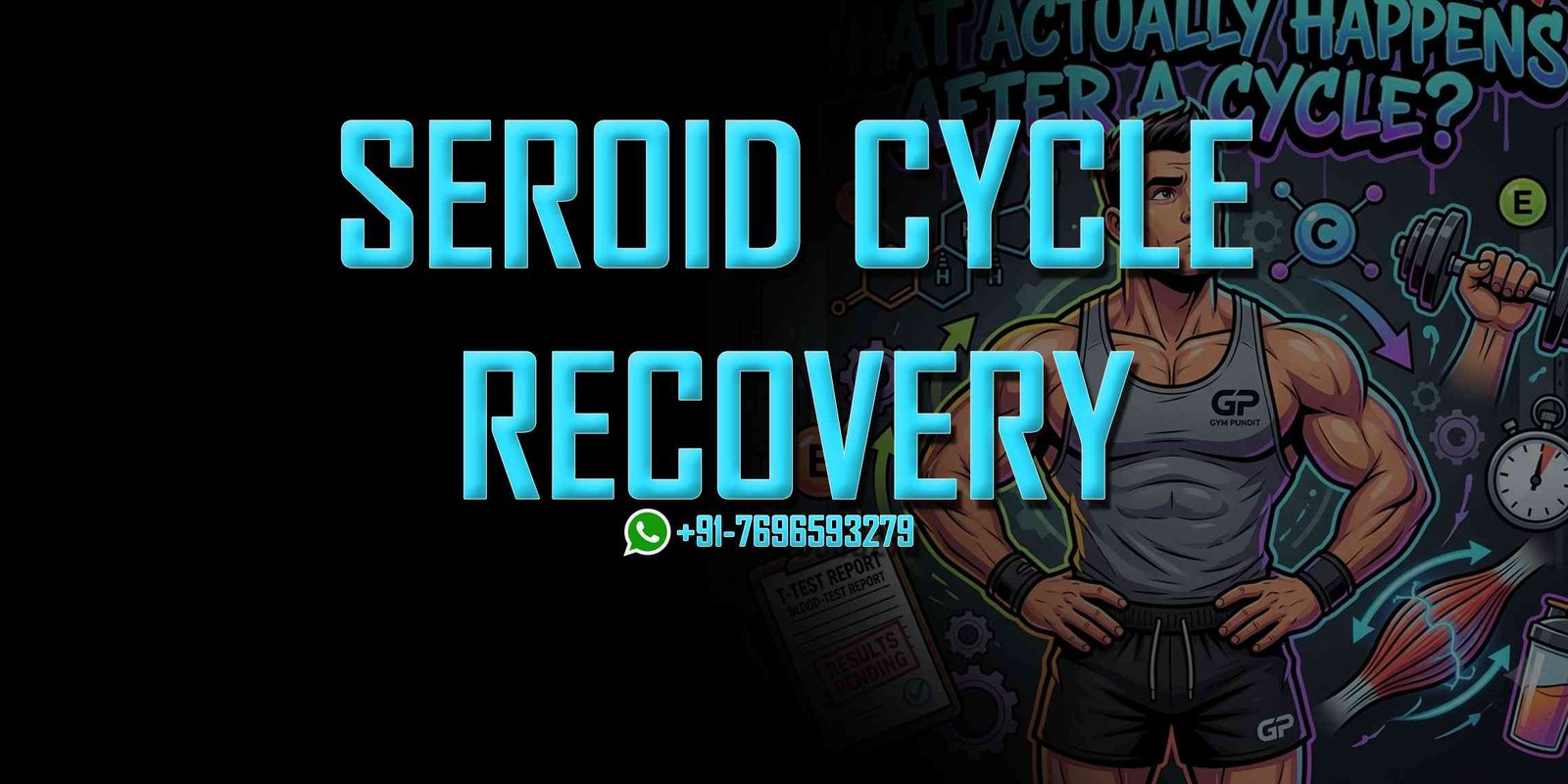
Steroid Cycle Recovery is the process your body goes through after stopping anabolic steroids, as hormone production, mood, libido, strength, and other body functions adjust to life without the extra hormones. For some lifters, recovery happens gradually over several weeks or months. For others, it can take much longer, and natural testosterone production may not fully return to its previous level.
If you’ve spent months building muscle in the gym, stopping a steroid cycle can feel like entering a completely different phase of bodybuilding. Your strength might change, your muscles may look less full, your sex drive might drop, and your energy levels may not feel the same.
The biggest mistake is assuming that everything will return to normal automatically after the last injection or tablet. Your body needs time to readjust, and the process depends on which compounds you used, how long you used them, whether you ran multiple cycles, and your individual hormone health.
In this guide, we’ll break down what actually happens after a steroid cycle, how testosterone recovery works, why some muscle loss is normal, what PCT can and cannot do, and how to approach recovery without making things worse. SHBG on Blood Test: Normal Range, High & Low Levels Explained
What Happens to Your Body During Steroid Cycle Recovery?
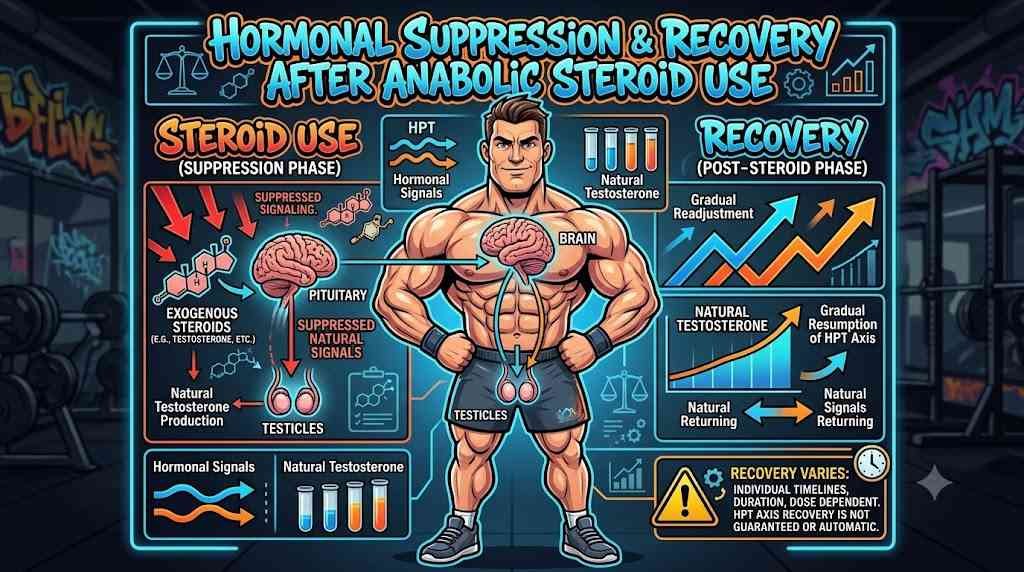
To understand steroid cycle recovery, you first need to understand what anabolic steroids do to your natural hormone production.
Your body normally controls testosterone through a communication system involving the hypothalamus, pituitary gland, and testicles. This is called the hypothalamic-pituitary-gonadal (HPG) axis.
When your body detects that testosterone levels are sufficient, it adjusts signals to maintain hormonal balance. When you use anabolic steroids, the body detects additional androgen activity and can reduce its own testosterone production.
This suppression can reduce the signals that tell the testicles to produce testosterone and sperm.
When you stop taking anabolic steroids, the external hormone supply eventually declines. However, your natural hormone production may not restart immediately.
That’s where the recovery phase begins.
Here are some changes that can happen during steroid cycle recovery:
- Natural testosterone production: Your body may need time to restore normal hormone signalling.
- Libido and sexual function: Sex drive and erectile function may temporarily decline.
- Energy and motivation: You may feel more tired, less driven, or less interested in training.
- Mood: Irritability, low mood, anxiety, or depressive symptoms can occur.
- Muscle fullness: Muscles may look smaller as glycogen, water, and other temporary effects change.
- Fertility: Sperm production can remain suppressed even when some testosterone measurements improve.
Not everyone experiences every symptom. Some people recover with relatively few noticeable problems, while others experience significant hormonal and psychological difficulties.
Testosterone Recovery After a Steroid Cycle
Testosterone recovery is one of the biggest concerns after anabolic steroid use.
During a cycle, external androgens can suppress luteinizing hormone (LH) and follicle-stimulating hormone (FSH). These hormones help regulate testosterone production and sperm development.
When steroid use stops, the body must restore the signals needed for normal testicular function.
The important thing to understand is that stopping steroids and recovering natural testosterone are two different things.
A drug may have cleared from your bloodstream while your natural hormone production remains suppressed. Long-acting injectable compounds can also remain active for a considerable period after the last injection, depending on the substance and formulation.
Why testosterone can stay low after stopping steroids
Several factors can affect recovery:
- Type of steroid: Different compounds have different durations of action and effects on hormonal suppression.
- Cycle duration: Longer exposure can mean a more prolonged recovery.
- Repeated cycles: Repeated suppression may complicate the recovery process.
- Individual health: Age, pre-existing hormone levels, body composition, and general health all matter.
- Fertility-related effects: Testosterone levels and sperm production do not necessarily recover at the same rate.
- Additional substances: Other medications or performance-enhancing drugs may influence symptoms and laboratory results.
Some people regain testosterone production without medical treatment. Others develop prolonged hypogonadism, meaning testosterone remains abnormally low alongside relevant symptoms.
This is why you shouldn’t judge recovery purely by how you feel in the gym.
Does natural testosterone always return to normal?
No. Recovery is common, but it isn’t guaranteed to be complete or predictable.
Research on anabolic steroid-induced hypogonadism shows that recovery varies considerably. Testosterone may recover over months, while sperm production can take longer. Some former users continue to experience symptoms or abnormal hormone levels well after stopping.
If you develop persistent fatigue, low libido, erectile problems, or other symptoms, a healthcare professional can evaluate whether testosterone is low and investigate other possible causes.
Steroid Cycle Recovery Timeline: What to Expect
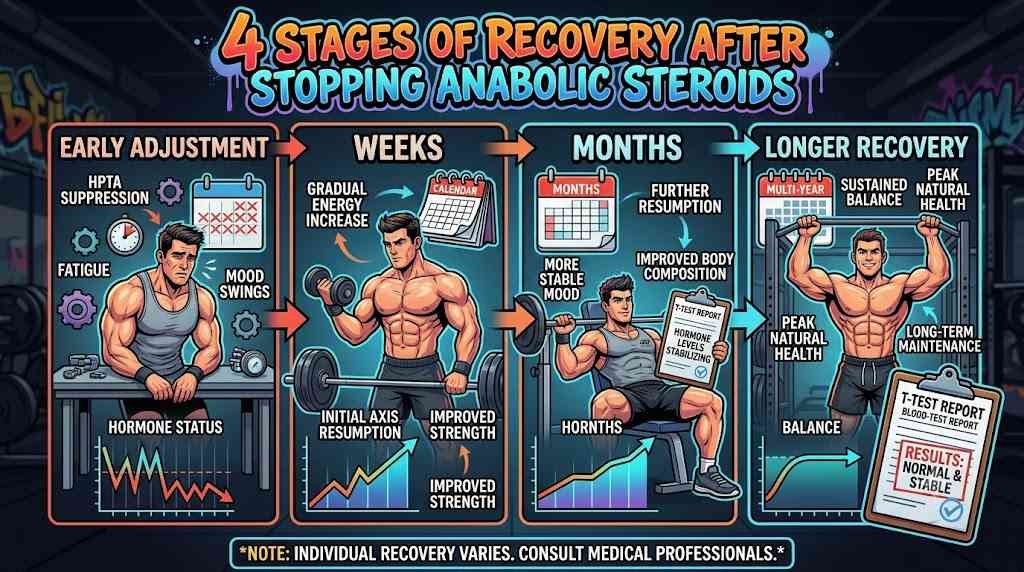
One of the most frequently asked questions is how long steroid cycle recovery takes.
There is no single timeline that applies to every bodybuilder. The timeline below is a general guide to possible changes, not a prediction of exactly when your hormones will normalize.
Early
After stopping
The adjustment phase
As drug levels decline, you may notice changes in energy, libido, mood, water retention, or gym performance. The timing depends heavily on the compounds used.
Weeks
Early recovery
Hormonal symptoms may become clearer
Some users experience low energy, reduced libido, or weaker training sessions as external androgen activity falls and natural production remains suppressed.
Months
Ongoing recovery
Natural hormone production may improve
Testosterone production can gradually recover, but the degree and speed of improvement vary. Some people require medical evaluation for persistent symptoms.
Longer
Persistent cases
Recovery may take longer than expected
Some former users have prolonged hormonal suppression, sexual symptoms, fertility problems, or mood changes. Medical follow-up may be necessary.
What affects the steroid cycle recovery timeline?
The recovery timeline depends on more than the date of your final dose.
A short exposure to one compound may produce a different outcome from prolonged use of several long-acting steroids. Repeated cycles, higher cumulative exposure, and pre-existing hormonal problems may also influence recovery.
For injectable steroids, the ester and formulation matter because they affect how long the substance continues releasing into the body.
There is also a difference between a laboratory result returning to the normal range and feeling fully recovered. Energy, sexual function, mood, fertility, and training performance may improve at different speeds.
The takeaway: Don’t compare your recovery directly with another bodybuilder’s experience. Someone else’s timeline doesn’t tell you whether your own hormone levels are healthy.
Common Symptoms During Steroid Cycle Recovery
Not every former steroid user experiences a difficult recovery. However, hormonal changes can cause symptoms that affect everyday life as well as gym performance.
1. Low testosterone symptoms
When testosterone levels fall below the healthy range, symptoms may include:
- Reduced sex drive
- Erectile difficulties
- Persistent fatigue
- Lower motivation
- Reduced strength or training performance
- Difficulty concentrating
- Low mood or irritability
These symptoms are not proof of low testosterone on their own. Poor sleep, inadequate calorie intake, stress, depression, thyroid problems, and other conditions can cause similar issues. Testosterone Suppression: Causes, Symptoms & Recovery
2. Mood changes during steroid cycle recovery
Mood changes deserve particular attention.
Some people experience low mood, anxiety, irritability, reduced confidence, or a general feeling that they have lost their usual drive after stopping anabolic steroids.
Hormonal changes may contribute, but psychological factors can also play a role. For example, someone who associates confidence and identity with being exceptionally muscular may find the adjustment difficult when their physique changes.
If low mood persists, interferes with everyday life, or becomes severe, seek professional support rather than assuming it is something you must simply push through.
3. Changes in libido and sexual function
A decline in libido is a common concern after stopping anabolic steroids.
During recovery, testosterone production may be low while the body’s hormonal signalling system readjusts. Some people notice reduced sexual interest, difficulty maintaining erections, or changes in sexual confidence.
These problems can have several causes, so they shouldn’t automatically be blamed on testosterone alone.
Persistent symptoms warrant medical assessment, especially when accompanied by fatigue, depressed mood, or other signs of hormonal dysfunction.
4. Fatigue and poor recovery
You may find yourself getting tired faster, struggling to maintain your usual training intensity, or needing more time to recover between sessions.
This can happen when hormonal changes occur alongside poor sleep, insufficient food intake, or psychological stress.
The answer isn’t automatically to train harder or add more stimulants. During steroid cycle recovery, adjusting training volume and allowing adequate rest may be more productive than trying to force your old performance levels.
5. Changes in body weight and appearance
Your body weight can drop after a cycle even if you haven’t lost a large amount of actual muscle tissue.
Some of the difference may come from reduced water retention and changes in muscle glycogen. You may look less full in the mirror, particularly if your body weight falls quickly.
However, actual muscle loss can also occur when anabolic support is removed, particularly if natural testosterone remains suppressed and training, nutrition, or sleep deteriorate.
This brings us to one of the biggest worries among bodybuilders.
Will You Lose Muscle After Stopping Steroids?
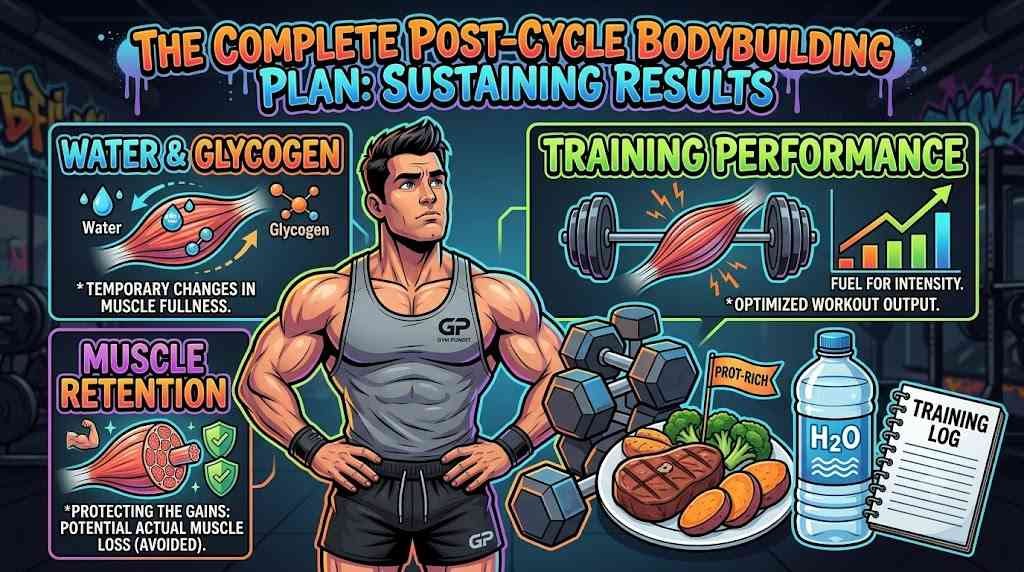
Yes, some muscle and strength loss can happen after stopping anabolic steroids, but the amount varies considerably.
During a cycle, anabolic steroids can increase muscle protein synthesis, support recovery, and allow some users to tolerate greater training demands. When steroid use stops, those effects diminish as the drugs clear and hormone levels change.
Your body is no longer operating under the same conditions that helped you build or maintain your cycle physique.
However, losing some size doesn’t mean all your gains are disappearing.
Why muscles look smaller after a cycle
There are three main reasons your physique may change.
1. Water and glycogen changes
Muscle glycogen is stored alongside water. Changes in carbohydrate intake, training, body weight, and hormone-related fluid retention can affect muscle fullness.
You might look noticeably flatter even before a substantial change in actual muscle tissue has occurred.
2. Reduced training performance
If your energy, motivation, and recovery decline, you may struggle to maintain the same training intensity or volume.
Over time, consistently reduced training stimulus can contribute to muscle loss.
3. Hormonal suppression
If natural testosterone remains low, maintaining muscle mass and normal physical function may become more difficult. Poor sleep, reduced appetite, and mood changes can make the situation worse.
How to maintain muscle during steroid cycle recovery
Focus on the fundamentals rather than trying to recreate your cycle conditions.
- Keep resistance training consistent, but reduce volume if recovery is poor.
- Eat enough calories to avoid an unnecessary aggressive cut.
- Get adequate protein from food and supplements if needed.
- Maintain a consistent sleep schedule.
- Track strength, body weight, and measurements over several weeks rather than judging individual workouts.
- Avoid using additional performance-enhancing drugs to chase temporary changes in appearance.
You may need to accept a different body weight or training capacity while recovering. Maintaining a sustainable routine is more valuable than trying to preserve every kilogram of cycle weight at any cost.
Steroid Cycle Recovery and Post Cycle Therapy (PCT)
Post Cycle Therapy, commonly called PCT, is a term used in bodybuilding for approaches intended to help manage hormonal suppression after anabolic steroid use.
PCT is widely discussed in gym communities, but the important point is that it is not a guaranteed reset button for your natural testosterone production.
Some medications used in medical settings can influence hormone signalling. However, the appropriate treatment depends on the person’s symptoms, hormone results, medical history, and fertility goals.
Can PCT restore natural testosterone?
PCT medications may affect the hormonal pathways involved in testosterone production, but results are not guaranteed.
Evidence for commonly used self-directed PCT regimens after nonmedical anabolic steroid use remains limited. There is no universally proven protocol that reliably restores normal hormone function in every former user.
It is also important to distinguish between temporarily increasing a testosterone measurement and achieving lasting recovery after treatment ends.
A hormone level that improves while taking a medication doesn’t necessarily prove that the body’s own regulatory system has recovered fully.
Why self-prescribed PCT can be risky
Medications sometimes used for PCT can have their own adverse effects and contraindications. Using several drugs without medical supervision can complicate symptoms and make laboratory results harder to interpret. What Is PCT? Dosage & Chart
Other potential problems include:
- Treating a suspected hormonal issue without confirming it
- Using medication before the effects of a long-acting steroid have sufficiently declined
- Overlooking other causes of fatigue or sexual dysfunction
- Failing to investigate fertility problems
- Mistaking temporary improvement for complete recovery
The safer approach is to discuss steroid exposure honestly with a qualified healthcare professional, ideally an endocrinologist or another clinician experienced in hormone-related conditions.
They can determine whether observation, further testing, or treatment is appropriate for your situation.
Blood Tests to Consider During Steroid Cycle Recovery
Symptoms can tell you that something may be wrong, but blood tests can help identify what is actually happening.
A clinician may consider several tests based on your history and symptoms.
| Test | What it can help assess |
|---|---|
| Total testosterone | Overall circulating testosterone level |
| Free testosterone | The fraction available to tissues, interpreted with the appropriate laboratory method |
| LH | Signals from the pituitary gland that stimulate testosterone production |
| FSH | Hormonal signalling involved in sperm production |
| SHBG | A protein that binds sex hormones and helps interpret testosterone results |
| Estradiol | An important estrogen that may be relevant in certain symptom patterns |
| Complete blood count (CBC) | Blood cell levels, including haemoglobin and haematocrit |
| Lipid profile | Cholesterol and triglyceride levels |
| Liver function tests | Markers that may help identify liver-related concerns |
Not every person needs every test. The appropriate panel depends on the compounds used, medical history, current symptoms, and initial results.
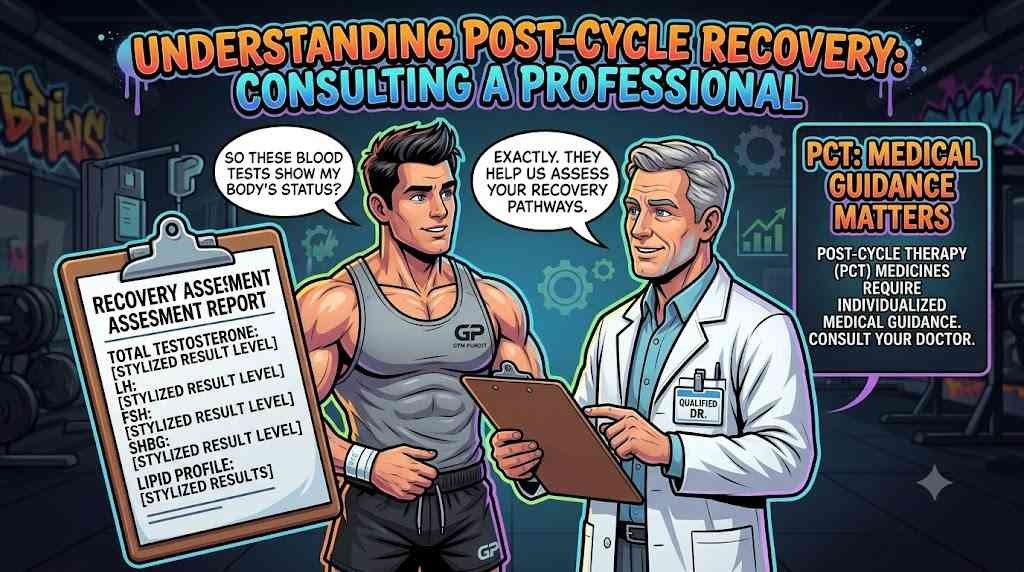
When should you test testosterone after a cycle?
There isn’t one universal testing date for every steroid or every cycle.
Long-acting injectable compounds can influence results well after the final injection. Testing too early may reflect lingering drug activity rather than the person’s eventual baseline.
A clinician can help decide when to test and whether repeat measurements are needed. Testosterone results should generally be interpreted alongside symptoms and relevant clinical information; an unexpected result may require confirmation.
If fertility is a concern, a semen analysis may also be appropriate because normal testosterone levels alone do not confirm that sperm production has recovered.
How to Support Steroid Cycle Recovery Naturally
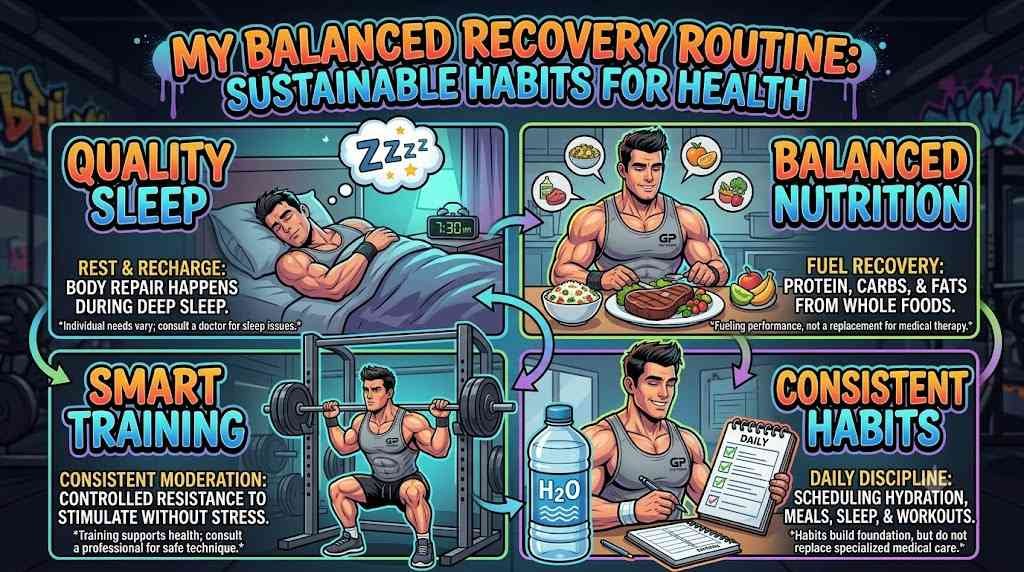
There is no food, supplement, or workout routine that can guarantee restoration of suppressed testosterone. Still, good daily habits can support general health and make it easier to manage the recovery period.
1. Prioritize sleep
Sleep is essential for normal hormonal function, mood, and exercise recovery.
Aim for a consistent schedule and enough sleep to feel rested. Many adults do well with approximately seven to nine hours per night, although individual needs vary.
If you have persistent insomnia, loud snoring, or severe daytime sleepiness, discuss it with a healthcare professional.
2. Eat enough calories and protein
An aggressive calorie deficit can make fatigue and training performance worse.
Build meals around protein sources such as eggs, dairy, chicken, fish, beans, lentils, tofu, or other foods that fit your diet.
For many exercising adults, approximately 1.4–2.0 grams of protein per kilogram of body weight per day is a reasonable general sports-nutrition range. Your needs may differ depending on body composition, overall diet, and health.
Carbohydrates also matter because they help fuel resistance training and replenish muscle glycogen.
3. Adjust training to your recovery
You don’t have to stop going to the gym simply because you’re recovering. However, continuing your highest-volume cycle routine when you’re exhausted may not be sensible.
Consider reducing training volume temporarily, keeping technique controlled, and avoiding repeated all-out sessions if performance is falling.
Use your actual recovery, sleep, and performance to guide adjustments rather than trying to match the numbers you lifted during a cycle.
4. Avoid extreme bulking and cutting
A dramatic increase in calories won’t necessarily restore hormones faster, and an aggressive cut can make energy levels and muscle retention harder to manage.
Aim for a sustainable eating pattern that supports training and a stable body weight unless a clinician or dietitian recommends a different approach.
5. Correct nutritional deficiencies
Vitamin D, zinc, and other nutrients play roles in normal body function. However, taking extra amounts when you’re not deficient is not a proven way to restart steroid-suppressed testosterone production.
Avoid megadosing supplements or buying products marketed as guaranteed testosterone boosters.
6. Avoid alcohol and recreational drugs where possible
Heavy alcohol consumption and recreational drug use can affect sleep, mood, decision-making, and general health. Avoiding them during recovery can make it easier to recognize symptoms and maintain a consistent routine.
If you have developed dependence on alcohol or another substance, seek appropriate medical support rather than attempting a potentially dangerous withdrawal alone.
Mistakes That Can Slow Down Steroid Cycle Recovery
A few common mistakes can turn a difficult recovery into an even more complicated situation.
Jumping straight into another cycle: Starting another cycle to escape low mood, reduced libido, or lost strength can prolong the underlying problem instead of resolving it.
Copying someone else’s PCT: A protocol that another bodybuilder claims worked for them may be inappropriate for your hormones, health, or fertility goals.
Ignoring persistent symptoms: Fatigue, sexual dysfunction, and low mood shouldn’t automatically be dismissed as normal bodybuilding problems.
Training as if nothing has changed: If recovery is poor, forcing your previous training volume may increase fatigue and reduce consistency.
Changing too many things at once: Adding multiple supplements or medications makes it harder to understand what is causing your symptoms or changing your laboratory results.
Judging recovery by appearance alone: Muscle fullness, scale weight, and strength are not reliable substitutes for assessing hormonal health.
Ignoring mental health: Severe depression or suicidal thoughts are not symptoms to simply wait out. They deserve immediate support. SARMs vs Steroids: What’s the Difference?
When to See a Doctor During Steroid Cycle Recovery
Seek medical advice if you experience persistent low libido, erectile dysfunction, unusual fatigue, fertility concerns, or symptoms suggesting low testosterone.
It’s particularly important to seek help if symptoms are worsening or interfering with your work, relationships, sleep, or daily activities.
A clinician can review your steroid history, symptoms, and blood tests to decide what evaluation or treatment is appropriate. Be honest about the substances you used, including oral steroids, injectable steroids, SARMs, and any PCT medications. This information can materially change the assessment.
Seek urgent medical help for chest pain, sudden shortness of breath, fainting, severe headache with neurological symptoms, or severe depression with thoughts of self-harm.
Recovery is not a test of toughness. Getting appropriate medical care is part of protecting your long-term health.
Frequently Asked Questions About Steroid Cycle Recovery
1. How long does steroid cycle recovery take?
It varies. Some people experience improvement over weeks to months, while others have prolonged testosterone suppression or fertility problems. The compound, duration of use, repeated cycles, and individual health all influence recovery.
2. Will testosterone return to normal after stopping steroids?
Natural testosterone production often improves after stopping anabolic steroids, but complete recovery is not guaranteed. Persistent symptoms or abnormal results should be evaluated by a healthcare professional.
3. Will I lose all my muscle after a steroid cycle?
No. You won’t automatically lose all your muscle. Some early weight and size changes may reflect reduced water retention and glycogen. Actual muscle loss is also possible, especially if hormonal suppression, poor nutrition, and reduced training continue.
4. Is PCT necessary after every steroid cycle?
There is no universal answer that applies to every individual. PCT medications have potential risks, and the evidence for self-directed regimens is limited. A clinician can determine whether medical treatment is appropriate based on symptoms, testing, and health goals.
5. Can I recover testosterone naturally without PCT?
Some people recover natural testosterone production without medication. Others experience prolonged suppression and need medical evaluation. Sleep, nutrition, and exercise support general health but cannot guarantee recovery.
6. Does PCT prevent muscle loss?
PCT is not a guarantee against muscle loss. Muscle retention depends on several factors, including hormone status, training, nutrition, sleep, and changes in water and glycogen.
7. Can steroid cycle recovery affect fertility?
Yes. Anabolic steroids can suppress sperm production. Fertility recovery may take longer than testosterone recovery, and some people need specialist evaluation if they are trying to conceive.
8. Should I get blood tests after a steroid cycle?
Blood tests can be useful, especially if you have symptoms or have used anabolic steroids repeatedly. A clinician can recommend appropriate tests and timing based on the compounds used and your medical history.
9. Can I train during steroid cycle recovery?
Usually, exercise can continue if you feel well enough and have no medical reason to avoid it. Adjust training intensity and volume to your recovery rather than forcing your previous cycle workload.
10. What is the biggest sign that steroid cycle recovery isn’t going well?
Persistent or worsening symptoms such as low libido, erectile problems, severe fatigue, low mood, or fertility difficulties deserve medical assessment. Symptoms alone cannot confirm the cause, so clinical evaluation and appropriate testing matter.
Need Help Understanding Steroid Cycle Recovery?
Coming off a cycle can raise plenty of questions, especially when your strength, mood, libido, or physique starts changing. Don’t rely on gym rumours or random online PCT protocols to make decisions about your health.
If you have questions about bodybuilding, training, nutrition, or understanding the recovery process, you can contact Gym Pundit through WhatsApp.
Gym Pundit — WhatsApp Help
Chat on WhatsApp
For persistent hormonal symptoms, fertility concerns, or medication decisions, consult a qualified healthcare professional.
Final Thoughts on Steroid Cycle Recovery
Steroid cycle recovery is about more than getting your testosterone numbers back up or maintaining the physique you built during a cycle. It’s about allowing your body to recover from hormonal suppression while protecting your physical and mental health.
Some lifters recover relatively quickly, while others need months of monitoring and medical support. Changes in strength, muscle fullness, and body weight can be frustrating, but they don’t tell the whole story.
Focus on consistent nutrition, sensible training, sleep, and appropriate medical evaluation. Avoid rushing into another cycle or self-prescribing medication to fix symptoms.
The smartest goal after a steroid cycle is long-term health, stable hormone function, and a sustainable approach to bodybuilding — not simply getting back to your old numbers as fast as possible.