Growth hormone-related peptides have become a major topic in fitness, bodybuilding, recovery, and body-composition discussions. Among the compounds frequently discussed in this area, CJC 1295 has attracted considerable attention because of its ability to influence the signaling pathway involved in growth hormone release.
Unlike growth hormone itself, this compound is generally discussed as a growth hormone–releasing hormone (GHRH) analog. That distinction is important because it works through the body’s own growth-hormone signaling system rather than simply supplying exogenous growth hormone.
Interest surrounding this peptide comes from several areas, including its potential effects on growth hormone secretion, recovery, body composition, and its combination with other secretagogues such as ipamorelin. At the same time, questions about CJC 1295 dosage, DAC versus no DAC, potential side effects, and long-term safety remain important for anyone researching the subject.
This guide provides an educational overview of how the compound is understood, the differences between its commonly discussed forms, and the evidence and safety considerations readers should know before drawing conclusions. GHRP-6 + CJC: How the Combination Works
What Is CJC 1295?
CJC 1295 is a synthetic peptide designed to act similarly to growth hormone–releasing hormone (GHRH). GHRH is naturally produced by the hypothalamus and plays an important role in stimulating the pituitary gland to release growth hormone.
The peptide was developed with the goal of creating a longer-acting GHRH analog. One of its most discussed characteristics is its ability to influence growth hormone and subsequently insulin-like growth factor-1 (IGF-1) levels.
This is different from directly administering recombinant human growth hormone. Instead, the mechanism is centered on stimulating the body’s growth hormone release pathway.
For fitness audiences, this distinction helps explain why the compound is often discussed alongside other growth-hormone secretagogues rather than being treated as equivalent to HGH.
How Does CJC 1295 Work?
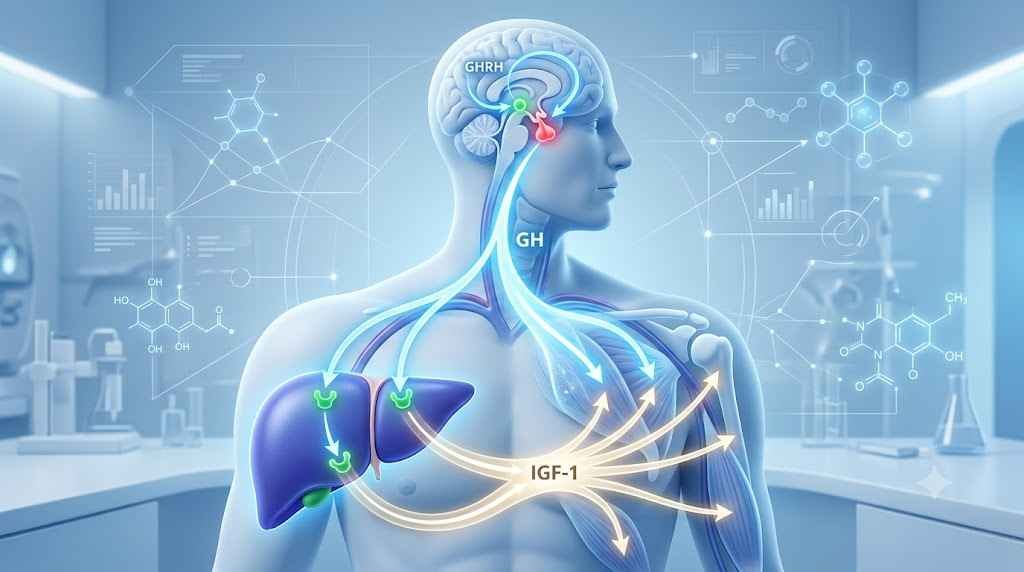
The body’s natural growth hormone system involves several interconnected signals.
GHRH stimulates the pituitary gland to release growth hormone, while somatostatin acts as an inhibitory signal. Growth hormone then contributes to downstream production of IGF-1, particularly in the liver.
The simplified pathway looks like this:
GHRH signaling → Pituitary stimulation → Growth hormone release → IGF-1 signaling
CJC 1295 is designed to interact with the GHRH pathway, potentially increasing growth hormone secretion and extending the duration of this signaling depending on the formulation.
This mechanism is one reason researchers and fitness enthusiasts distinguish between CJC 1295 with DAC and CJC 1295 without DAC. The two forms are commonly discussed as having different pharmacokinetic characteristics.
Why Is CJC 1295 Popular in Fitness Discussions?
The interest largely comes from the relationship between growth hormone, IGF-1, recovery, body composition, and tissue metabolism.
However, it is important to separate biological effects and research findings from claims made in bodybuilding communities. Increased growth hormone or IGF-1 does not automatically mean a predictable increase in muscle mass, fat loss, or athletic performance.
Factors such as training quality, nutrition, sleep, genetics, baseline hormone levels, and overall health can have substantial effects on body composition and recovery.
For that reason, research-based information is more useful than relying solely on anecdotal “before and after” reports.
CJC 1295 and the Growth Hormone Pathway
The relationship between GHRH, growth hormone, and IGF-1 helps explain why this peptide receives so much attention.
Growth hormone is released naturally in pulses, with secretion influenced by factors such as sleep, exercise, age, nutrition, and metabolic status. Once released, it can stimulate several physiological processes, including the production of IGF-1.
IGF-1 is particularly important because many of the longer-term growth-related effects associated with growth hormone signaling involve this downstream pathway.
This means that discussions surrounding CJC 1295 should not focus exclusively on growth hormone itself. The entire GH–IGF-1 axis matters.
For bodybuilding audiences, that distinction is especially relevant because increased hormone levels on a laboratory test do not necessarily translate directly into a specific physique outcome.
CJC 1295 vs HGH
CJC 1295 and HGH are not the same thing.
HGH (human growth hormone) is the hormone itself, while CJC 1295 is a synthetic peptide designed to influence the body’s endogenous growth hormone release.
That creates a fundamental difference in their mechanisms:
| Feature | CJC 1295 | HGH |
|---|---|---|
| Category | GHRH analog | Growth hormone |
| Primary action | Stimulates GH signaling | Directly supplies GH |
| Effect on GH | Encourages endogenous release | Raises circulating GH directly |
| Relationship with IGF-1 | Can influence IGF-1 through GH | Directly influences the GH–IGF-1 axis |
| Research status | Investigational/research context | Established medical use for specific conditions |
Understanding this difference is essential before comparing claims about performance, recovery, or body composition.
CJC 1295 Benefits: What Does the Research Suggest?

The potential benefits associated with CJC 1295 largely come from its interaction with the growth hormone pathway. Because growth hormone and IGF-1 influence multiple physiological processes, researchers have investigated whether manipulating this pathway could affect areas such as body composition, recovery, and metabolic function.
However, it is important to keep expectations realistic. Many claims found online come from bodybuilding communities rather than high-quality clinical evidence. A change in growth hormone or IGF-1 levels should not automatically be interpreted as proof of greater muscle gain or improved athletic performance. Ipamorelin: Benefits, Dosage, Side Effects, & Results
CJC 1295 for Muscle Growth
One of the biggest reasons this peptide attracts attention in bodybuilding circles is its relationship with growth hormone and IGF-1.
Growth hormone can influence protein metabolism and other processes involved in tissue growth and recovery. IGF-1 also plays an important role in anabolic signaling. Because of this biological connection, some athletes are interested in whether stimulating the GH–IGF-1 axis could support a more favorable environment for building or maintaining lean tissue.
That does not, however, mean that CJC 1295 should be viewed as a guaranteed muscle-building compound.
Muscle development still depends heavily on:
- Progressive resistance training
- Adequate protein intake
- Sufficient calories and nutrients
- Sleep and recovery
- Training consistency
- Individual genetics and hormonal status
For someone researching this compound specifically for muscle growth, the distinction between increasing a biological signal and producing measurable improvements in muscle mass or strength is particularly important.
Can CJC 1295 Increase Lean Mass?
Potential changes in body composition are one of the areas that generate considerable interest, but evidence should be interpreted carefully.
The growth hormone system is involved in regulating protein metabolism, lipolysis, and tissue processes. Nevertheless, laboratory changes in GH or IGF-1 don’t necessarily translate into a predictable increase in lean body mass.
This is why claims of dramatic physique transformations should be approached cautiously, particularly when they are based only on anecdotal reports or promotional material.
CJC 1295 and Recovery

Recovery is another frequently discussed area.
Growth hormone has several physiological roles related to tissue metabolism and repair. This has led to interest in whether influencing the GH pathway could support recovery following exercise.
For athletes, however, recovery involves much more than hormonal signaling. Training volume, sleep quality, hydration, nutrition, stress, and rest days all contribute substantially to how quickly the body recovers.
A sensible fitness strategy should therefore treat hormone-related mechanisms as only one part of a much larger picture.
CJC 1295 and Sleep
Sleep and growth hormone are closely connected naturally. A significant portion of daily growth hormone secretion occurs during sleep, particularly during deeper stages of sleep.
This relationship is one reason sleep frequently appears in discussions surrounding growth-hormone secretagogues.
Rather than assuming that manipulating the GH pathway can compensate for poor sleep, athletes should prioritize consistent sleep schedules and adequate sleep duration. Poor sleep can negatively affect training performance, recovery, appetite regulation, and overall health regardless of hormone levels.
CJC 1295 and Body Composition
Another frequently discussed potential benefit involves body composition.
Growth hormone participates in metabolic processes involving fat and glucose. Because of this, researchers have examined whether manipulating the GH axis could influence fat metabolism and related metabolic markers.
But body-fat reduction should not be confused with a guaranteed fat-loss effect.
A sustainable reduction in body fat still depends primarily on maintaining an appropriate energy balance over time. Resistance training, sufficient protein, daily activity, and nutrition remain fundamental.
Does it Help With Fat Loss?
This is one of the areas where online claims can become exaggerated.
The biological relationship between growth hormone and fat metabolism provides a reason for scientific interest, but that doesn’t establish that using an investigational peptide will produce a predictable or clinically meaningful reduction in body fat.
For people pursuing a leaner physique, evidence-based nutrition and training should remain the foundation.
CJC 1295 Benefits vs Online Claims
When researching peptides online, it helps to separate three different categories:
Established physiology:
What scientists already understand about the GH–IGF-1 system.
Research findings:
What controlled studies have actually demonstrated about a particular compound.
Anecdotal claims:
Individual experiences posted on forums, social media, or bodybuilding communities.
These categories aren’t interchangeable.
Anecdotal reports can be useful for understanding what people are experiencing, but they cannot establish safety, effectiveness, optimal dosing, or long-term outcomes.
This distinction becomes especially important when evaluating claims about muscle gain, fat loss, recovery, or dramatic before-and-after transformations.
CJC 1295 With DAC vs No DAC
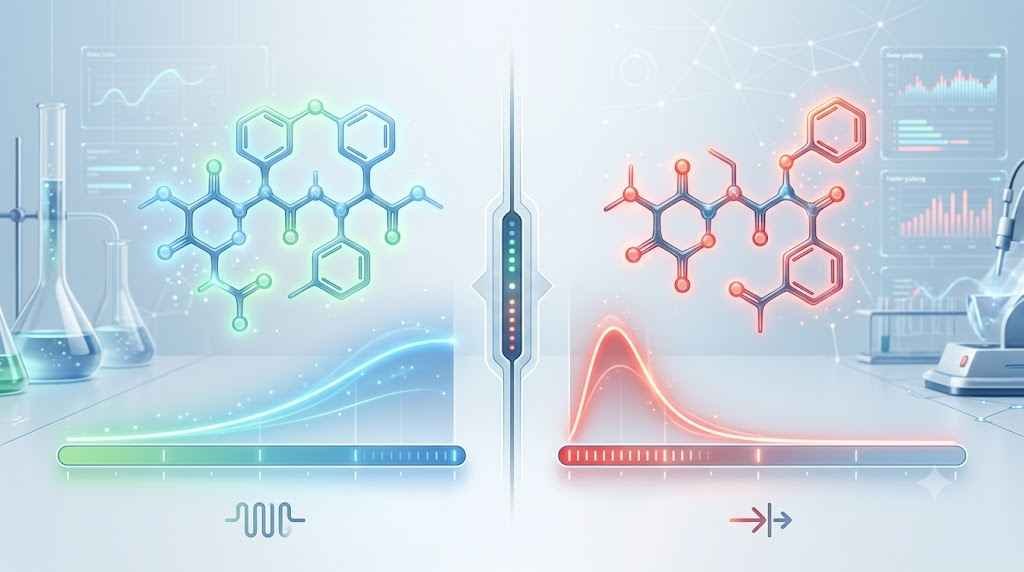
One of the most important topics when researching this peptide is the difference between DAC and no-DAC formulations.
DAC stands for Drug Affinity Complex. The modification was designed to alter the peptide’s pharmacokinetic characteristics and extend its presence in the body.
As a result, the two forms are generally discussed differently in research and bodybuilding communities.
What Is CJC 1295 DAC?
The DAC-modified version was developed to have a substantially longer duration of action than the unmodified form.
This longer activity is associated with its interaction with circulating proteins, which helps reduce rapid clearance from the body.
Research involving the DAC-modified compound has demonstrated prolonged effects on growth hormone and IGF-1 compared with shorter-acting GHRH analogs.
That longer duration is the main characteristic separating it from the no-DAC form.
What Is CJC 1295 No DAC?
The no-DAC form is generally described as a shorter-acting GHRH analog.
Because it lacks the Drug Affinity Complex modification, it is cleared more rapidly than the longer-acting version.
This creates a fundamentally different pharmacokinetic profile.
Rather than assuming that one version is automatically “better,” it is more accurate to understand them as different formulations with different duration and signaling characteristics.
CJC 1295 DAC vs No DAC: Key Differences
| Characteristic | DAC version | No-DAC version |
|---|---|---|
| Drug Affinity Complex | Present | Absent |
| Duration | Longer | Shorter |
| Clearance | Slower | Faster |
| Pharmacokinetic profile | Extended | More transient |
| Common discussion | Sustained GH/IGF-1 signaling | Shorter GH-related signaling |
| Research considerations | Prolonged exposure | Shorter exposure |
The choice between these forms should not be based simply on bodybuilding forum recommendations. Their different pharmacological profiles are important when considering research findings, potential effects, and safety.
CJC 1295 and Ipamorelin: How Do They Differ?
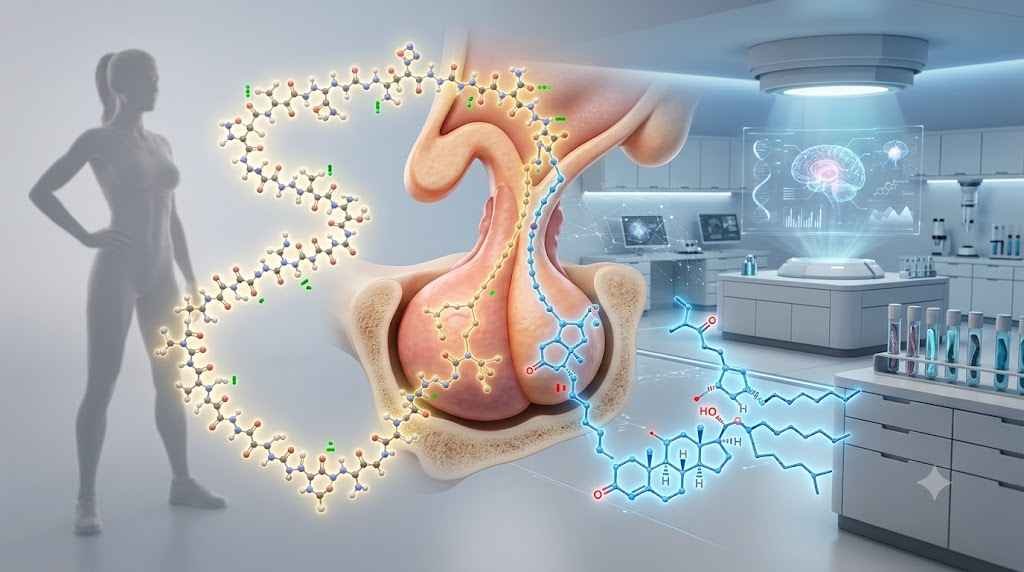
CJC 1295 and ipamorelin are frequently mentioned together because they influence the growth hormone system through different signaling pathways.
Understanding that distinction is useful when reading bodybuilding forums, research papers, or product descriptions. Although both are associated with growth hormone release, they are not interchangeable compounds.
How CJC 1295 and Ipamorelin Differ
CJC 1295 is generally described as a GHRH analog, meaning it works through the growth hormone–releasing hormone pathway.
Ipamorelin belongs to a different class known as a growth hormone secretagogue and acts primarily through the ghrelin receptor pathway.
In simplified terms:
CJC 1295 → GHRH pathway → pituitary → GH release
Ipamorelin → ghrelin receptor pathway → pituitary → GH release
Because the pathways are different, the two compounds have often been investigated or discussed together.
Why Are CJC 1295 and Ipamorelin Often Combined?
The reasoning behind combining them is based on their complementary mechanisms rather than the idea that they are simply two versions of the same compound.
A GHRH analog can provide signaling through one pathway, while a secretagogue can influence GH release through another. This has made combinations involving the two particularly popular in fitness communities.
However, popularity should not be confused with established clinical effectiveness.
There is a difference between a theoretical or mechanistic rationale and evidence demonstrating that a combination produces meaningful improvements in muscle mass, strength, fat loss, recovery, or athletic performance. HGH Frag (176-191): Benefits, Dosage, & Fat Loss
CJC 1295 With DAC and Ipamorelin
The presence or absence of DAC is another factor that can change how people discuss combinations.
A DAC-modified GHRH analog has a substantially longer pharmacokinetic profile than shorter-acting versions. Ipamorelin, meanwhile, acts through a separate secretagogue pathway.
This means that discussions about the combination should consider:
- Mechanism of action
- Duration of activity
- Pharmacokinetics
- Growth hormone response
- IGF-1 changes
- Individual health factors
- Potential adverse effects
Simply combining compounds because they influence the same hormone system does not automatically make the combination appropriate or safe.
Is CJC 1295 With Ipamorelin Better for Muscle Growth?
This is one of the most common questions in fitness communities.
The theoretical argument is that influencing two different GH-release pathways could produce a stronger or more sustained hormonal signal. But a stronger hormonal signal does not necessarily translate into proportional muscle growth.
Muscle hypertrophy remains dependent on resistance training, adequate nutrition, sufficient protein, recovery, and progressive overload.
Therefore, claims that a CJC 1295–ipamorelin combination will automatically produce dramatic muscle gains should be treated cautiously.
CJC 1295 Ipamorelin Benefits: What Should You Know?
When people search for the potential benefits of the combination, they commonly focus on:
- Growth hormone signaling
- Recovery
- Body composition
- Sleep
- Lean-mass development
- Fat metabolism
These areas are biologically connected to the GH–IGF-1 axis, but the strength of evidence varies considerably.
It is particularly important not to interpret anecdotal reports or commercial claims as proof of effectiveness.
CJC 1295 Dosage: What Does Research Tell Us?

CJC 1295 dosage is one of the most searched topics surrounding this peptide. However, dosage discussions require additional caution because formulations, research protocols, individual characteristics, and regulatory status can vary.
There is no universally appropriate dose that can be recommended for everyone.
Clinical dosing decisions, where applicable, depend on the specific compound, indication, formulation, patient characteristics, and medical supervision.
For educational purposes, it is more useful to understand why dosing can vary than to follow an internet protocol.
Why CJC 1295 Dosage Can Differ
Several factors can influence how a research protocol is designed:
DAC vs No DAC
The pharmacokinetic profile is substantially different between the two forms.
A longer-acting formulation should not simply be treated as a shorter-acting formulation with a larger or smaller amount.
Research Objective
A study examining growth hormone secretion may use a completely different protocol from one examining pharmacokinetics or metabolic effects.
Individual Factors
Age, body composition, existing hormone levels, medications, underlying medical conditions, and other physiological variables can influence responses.
Route and Formulation
The formulation and administration method can also affect pharmacokinetics and should be considered when interpreting research.
CJC 1295 Dosage Per Day vs Per Week
Searches for daily or weekly dosing often reflect bodybuilding protocols found online.
However, internet protocols should not be assumed to represent medically established dosing.
In particular, DAC and no-DAC versions should not be compared simply by looking at the number of micrograms used. Their duration of action and pharmacokinetic behavior are different.
Anyone considering use should discuss the specific product and intended indication with a qualified healthcare professional rather than relying on a generic online calculator. IGF-1 LR3: Benefits, Dosage, Cycle, Side Effects & Muscle Growth
CJC 1295 Side Effects and Safety

Understanding potential risks is just as important as understanding potential benefits.
Because this compound affects the growth hormone pathway, changes in GH and IGF-1 signaling can potentially influence several physiological systems.
Reported or theoretically relevant concerns can include:
- Headache
- Nausea
- Injection-site reactions
- Water retention
- Swelling or edema
- Changes in blood glucose regulation
- Tingling or numbness
- Joint discomfort
- Changes associated with elevated GH/IGF-1 activity
The actual risk depends on factors such as the formulation, exposure, individual health status, and whether other substances are being used.
CJC 1295 and Blood Glucose
Growth hormone can influence glucose metabolism and insulin sensitivity.
Consequently, changes in GH signaling may be relevant for people who already have impaired glucose regulation or metabolic conditions.
This is one reason self-experimentation with hormone-active research compounds can carry risks that aren’t obvious from bodybuilding discussions.
CJC 1295 and Water Retention
Changes in fluid balance can occur when the growth hormone pathway is altered.
Some users may associate increased fullness or changes in body weight with positive physique effects, but temporary water retention should not automatically be interpreted as new muscle tissue.
Persistent swelling or significant changes in body weight should be evaluated medically.
Long-Term Safety
Perhaps the biggest issue is that long-term safety should not be assumed simply because a compound is discussed widely online.
The available evidence does not establish that recreational or bodybuilding-oriented use is risk-free.
People with existing medical conditions, abnormal glucose regulation, hormone-related disorders, or those taking other medications should be particularly cautious.
Important takeaway
The most useful way to evaluate CJC 1295 is to separate mechanism, research evidence, anecdotal experience, and marketing claims.
Its effects on the GH–IGF-1 pathway are scientifically interesting, but that doesn’t mean every bodybuilding claim surrounding the compound has been clinically demonstrated.
CJC 1295 Before and After: What Can You Realistically Expect?

Searches for CJC 1295 before and after results are common, particularly among people interested in muscle growth, recovery, and body composition. However, before-and-after photographs are not reliable evidence of what a particular peptide can achieve.
A person’s physique can change because of many variables, including:
- Resistance training
- Calorie intake
- Protein consumption
- Water and glycogen levels
- Sleep
- Training experience
- Other supplements or compounds
- Genetics
- Time between photographs
This makes it difficult to attribute a visible transformation to one substance alone.
Why Before-and-After Photos Can Be Misleading
Lighting, camera angle, posture, muscle pump, hydration, and even the timing of meals can substantially change how a physique looks.
For example, a person photographed immediately after training may appear considerably more muscular than they do at rest because of increased blood flow and muscle glycogen.
Similarly, reductions in carbohydrate or sodium intake can temporarily change water weight without representing a meaningful change in body fat.
For this reason, before-and-after images should be treated as personal anecdotes rather than clinical evidence.
What Does Human Research Actually Show?
Human research has demonstrated that CJC-1295 can increase growth hormone and IGF-1 concentrations. In a randomized placebo-controlled study involving healthy adults, the long-acting compound produced sustained increases in GH and IGF-1, with effects lasting for days after administration.
Another study found that GH pulsatility was maintained while mean GH and IGF-1 levels increased.
These findings are useful for understanding the compound’s pharmacology, but they should not be interpreted as proof that recreational use will produce a particular physique transformation. GHRP-6 Peptide: Benefits, Dosage, Side Effects
Is CJC 1295 Oral?
Another long-tail search associated with this topic is CJC 1295 oral.
The important point is that this peptide is not comparable to a conventional oral supplement such as creatine, protein powder, or a vitamin.
Peptides are susceptible to degradation and have different absorption characteristics from small-molecule compounds. Consequently, discussions about oral administration should not assume that swallowing a peptide will produce the same exposure as a formulation specifically designed and studied for another route.
The human research that established the pharmacokinetic and hormonal effects of CJC-1295 involved subcutaneous administration, rather than demonstrating that an ordinary oral product produces equivalent effects.
Are Oral CJC 1295 Products the Same?
Not necessarily.
Products marketed online can differ considerably in:
- Formulation
- Purity
- Stability
- Concentration
- Route of administration
- Storage conditions
- Actual peptide content
This is especially important when purchasing products from unregulated sources. A label alone does not establish that a product contains the stated amount or will behave like the compound used in a published study.
CJC 1295 Safety and Regulatory Considerations
Understanding the regulatory position is an important part of researching any peptide.
The U.S. FDA currently identifies CJC-1295 as a substance for which safety and quality concerns exist in the context of compounded drug products. The agency has specifically noted concerns involving immunogenicity, peptide-related impurities, characterization, and reported serious adverse events including increased heart rate and systemic vasodilatory reactions.
The FDA has also stated that CJC-1295 is not a component of an FDA-approved drug and that there is no applicable USP or NF monograph for the substances evaluated in its review.
That does not mean the scientific research is worthless. It means readers should distinguish between research evidence and regulatory approval.
Why Product Quality Matters
With injectable peptides, product quality can be just as important as the active ingredient itself.
Potential problems with poorly controlled products include:
- Incorrect concentration
- Peptide degradation
- Contamination
- Impurities
- Incorrect labeling
- Sterility concerns
These issues can make results difficult to predict and can introduce risks unrelated to the intended pharmacological action.
Anyone considering a peptide for a medical purpose should discuss it with a qualified healthcare professional and use products obtained through appropriate medical and regulatory channels.
Benefits vs Realistic Expectations
The available human research provides evidence that the long-acting compound can affect GH and IGF-1 levels.
However, this should not be confused with evidence that it reliably delivers dramatic bodybuilding outcomes.
A realistic interpretation is:
What is supported:
The compound can influence the GH–IGF-1 axis.
What remains uncertain:
How much benefit a healthy recreational athlete will experience in terms of muscle growth, fat loss, recovery, or athletic performance.
What should be avoided:
Assuming online transformation photographs or aggressive marketing claims represent predictable results.
This distinction makes the difference between responsible peptide education and exaggerated bodybuilding marketing.
Frequently Asked Questions
What is CJC 1295?
CJC 1295 is a synthetic GHRH analog designed to stimulate the growth hormone pathway. Research has demonstrated increases in GH and IGF-1 following administration.
What is CJC 1295 DAC?
The DAC version contains a modification known as the Drug Affinity Complex, which extends its pharmacokinetic profile compared with shorter-acting forms.
What is CJC 1295 without DAC?
The no-DAC form is generally discussed as a shorter-acting GHRH analog. It should not automatically be treated as interchangeable with the DAC-modified form.
Is CJC 1295 the same as HGH?
No. HGH is growth hormone itself, whereas CJC 1295 is designed to stimulate the body’s growth hormone signaling pathway.
Can CJC 1295 help build muscle?
Its effects on GH and IGF-1 provide a biological rationale for interest in muscle growth, but that does not establish predictable muscle-building results in healthy athletes.
Can CJC 1295 help with fat loss?
Growth hormone is involved in fat metabolism, but evidence that this peptide produces predictable fat loss in healthy bodybuilding populations is limited.
Is CJC 1295 with Ipamorelin the same as using it alone?
No. Ipamorelin is a separate growth hormone secretagogue that acts through a different pathway. Combining compounds changes the overall pharmacological exposure and should not be assumed to be automatically safer or more effective.
Is it FDA approved?
The FDA’s current information indicates that CJC-1295 is not a component of an FDA-approved drug.
Is there an established CJC 1295 dosage for bodybuilding?
There is no universally established bodybuilding dosage that can be considered appropriate for everyone. Research protocols should not be treated as personalized self-administration instructions.
What are the potential side effects?
Potential concerns include injection-site reactions, headache, nausea, fluid retention, changes in glucose regulation, and other effects associated with altering GH/IGF-1 signaling. FDA has also identified concerns involving increased heart rate and systemic vasodilatory reactions in connection with compounded products. Are SARMs Safe? The Complete Science-Based Guide
Final Thoughts on CJC 1295
CJC 1295 remains an interesting research compound because of its ability to influence the growth hormone–IGF-1 axis.
Human studies have demonstrated sustained increases in GH and IGF-1, helping explain why the compound has attracted significant interest in fitness and bodybuilding communities.
At the same time, readers should be careful when moving from biological mechanism to bodybuilding claims. Increased GH or IGF-1 does not automatically guarantee greater muscle mass, faster recovery, or significant fat loss.
The distinction between DAC and no DAC, the differences between CJC 1295 and ipamorelin, potential adverse effects, product quality, and regulatory status are all important considerations.
Most importantly, anyone considering a hormone-active peptide should prioritize qualified medical guidance rather than relying on anonymous online protocols or before-and-after photographs.
WhatsApp Section
Want More Information About Peptides and Fitness Products?
If you want to learn more about peptide products, bodybuilding supplements, training, or related fitness topics, you can contact our team directly on WhatsApp.
WhatsApp: 7696593279
Ask your questions before making a purchase or starting any research compound, and make sure you understand the product, formulation, potential risks, and applicable regulations.

[…] This guide takes a closer look at the major peptide categories, what researchers know about them, why athletes discuss them, and how dosing should be interpreted. CJC 1295: Benefits, DAC vs No DAC, Ipamorelin, Dosage […]
[…] The term “mild steroid” can therefore be misleading. A compound may produce fewer obvious androgenic effects than another steroid while still affecting cholesterol, hormones, and the liver. CJC 1295: Benefits, DAC vs No DAC, Ipamorelin, Dosage […]