Blood Tests for Bodybuilders are an important part of keeping track of your health while chasing bigger muscles, better strength, and improved gym performance. You can follow a perfect workout plan, eat enough protein, take your supplements, and still have an underlying health issue that you cannot identify just by looking in the mirror.
That’s where blood work comes in.
Blood tests can give you useful information about your red blood cells, cholesterol, liver and kidney function, blood sugar, and hormones such as testosterone. These markers can be especially relevant if you’re training hard, experiencing unexplained fatigue, struggling with recovery, or discussing anabolic steroid use with a healthcare professional.
But here’s the thing, boss: blood work isn’t just for people using steroids. Natural bodybuilders can benefit from appropriate testing too, particularly when symptoms or individual health risks make it worthwhile. Steroid Cycle Recovery: What Actually Happens After a Cycle?
You also don’t need to order every available test or chase a particular number to build muscle. The goal is to understand your health, identify potential problems early, and make informed decisions with a qualified healthcare professional.
Let’s break down the key blood tests bodybuilders should know about, what each one measures, and when it may make sense to check it.
Blood Tests for Bodybuilders: The Essential Checklist
Here is a quick overview of the main tests worth discussing with your healthcare professional.
| Blood test | What it checks | Why it matters |
|---|---|---|
| CBC | Red blood cells, white blood cells, hemoglobin and platelets | Screens for anemia and abnormal blood counts |
| Liver function panel | Enzymes and other markers such as bilirubin and albumin | Helps assess liver health and possible tissue injury |
| Kidney function panel | Creatinine, eGFR and related markers | Assesses kidney function |
| Lipid profile | LDL, HDL and triglycerides | Helps assess cardiovascular risk |
| Testosterone | Total testosterone, sometimes free testosterone | Investigates symptoms of testosterone deficiency |
| SHBG | Sex hormone-binding globulin | Helps interpret testosterone measurements |
| Estradiol | A form of estrogen | Useful when clinically indicated, including certain hormone-related symptoms |
| Fasting glucose or HbA1c | Blood sugar regulation | Screens for diabetes or prediabetes when appropriate |
| Thyroid tests | Usually TSH, sometimes free T4 | Investigates possible thyroid dysfunction |
| Additional tests | Depends on symptoms and medical history | May include iron studies, vitamin B12, vitamin D or other markers |
This isn’t a mandatory checklist for every lifter. A healthcare professional can help decide which tests are appropriate, whether you need to fast, and how often testing makes sense.
Complete Blood Count (CBC): Check Your Red Blood Cells
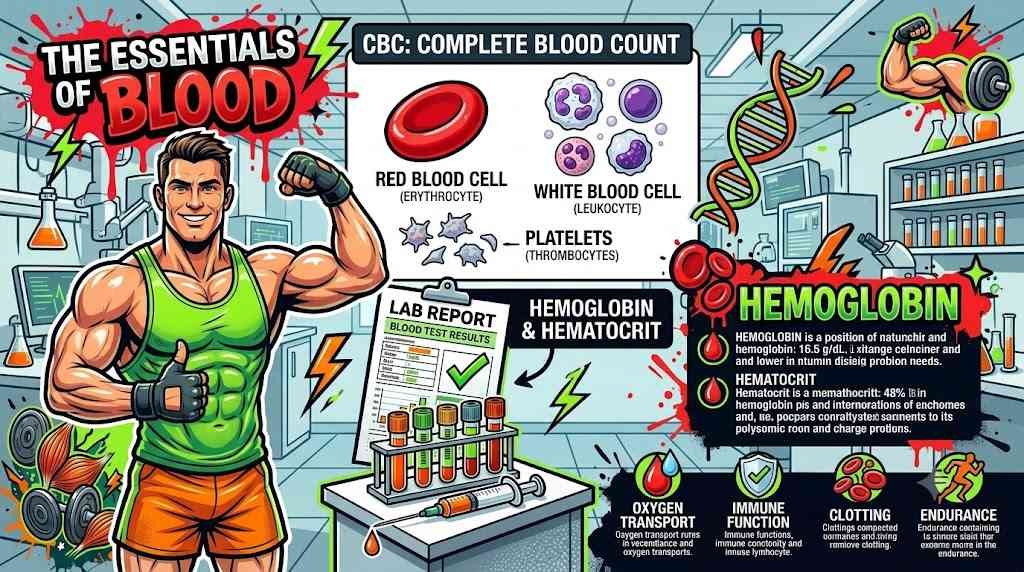
A complete blood count, commonly called a CBC, is one of the first tests to discuss when planning blood work. It measures several components of your blood, including red blood cells, white blood cells, hemoglobin, hematocrit, and platelets.
For bodybuilders, the red blood cell measurements are particularly worth understanding.
- Hemoglobin: The protein in red blood cells that carries oxygen around the body.
- Hematocrit: The percentage of your blood volume made up of red blood cells.
- Red blood cell count: The number of red blood cells in a given volume of blood.
- White blood cells: Cells involved in immune defense.
- Platelets: Blood components involved in clotting.
Why does this matter in the gym? Red blood cells help deliver oxygen to working muscles, but having higher numbers doesn’t automatically mean better endurance or muscle growth.
Dehydration can temporarily concentrate your blood and make hemoglobin or hematocrit appear higher. Other causes of abnormal results include medical conditions, smoking, sleep-related breathing problems, and certain medications or hormones.
Anabolic steroids, especially testosterone, can increase red blood cell production in some people. This can lead to an elevated hematocrit that requires medical assessment.
What should you do? If your CBC shows an elevated hematocrit or another significant abnormality, don’t try to fix it yourself by donating blood, taking medication, or making drastic changes to hydration. Discuss the result with a clinician who can assess the cause and decide whether repeat testing or further evaluation is needed.
Liver Function Tests: Don’t Ignore These Markers
Your liver processes nutrients, produces important proteins, and helps metabolize many medications and other substances. That’s why liver-related blood tests can be useful for bodybuilders, particularly when medication or supplement use creates additional risks.
Common markers include:
- ALT (alanine aminotransferase): An enzyme that is relatively concentrated in liver cells.
- AST (aspartate aminotransferase): An enzyme found in the liver, muscles, and other tissues.
- ALP (alkaline phosphatase): An enzyme associated with the liver, bile ducts, and bones.
- Bilirubin: A substance produced when red blood cells break down.
- Albumin: A protein produced by the liver that helps maintain fluid balance.
One important detail: AST and ALT can rise after intense resistance training because muscle tissue can release these enzymes. An abnormal result therefore doesn’t automatically mean your liver is damaged. A clinician may consider your training schedule, symptoms, other markers, and whether repeat testing after recovery from strenuous exercise is appropriate.
Oral anabolic steroids, particularly certain 17-alpha-alkylated compounds, can cause significant liver injury. Some cases involve impaired bile flow, and the problem may not be reflected by a dramatic rise in every liver enzyme.
Don’t assume a supplement is safe for your liver simply because it’s marketed as natural. Products can have side effects, interact with medications, or contain undeclared ingredients.
The takeaway: Liver tests are useful, but they need context. Avoid diagnosing yourself from ALT or AST alone, and seek prompt medical assessment if you develop yellowing of the eyes or skin, dark urine, pale stools, or severe abdominal symptoms.
Kidney Function Tests: Creatinine, eGFR and More
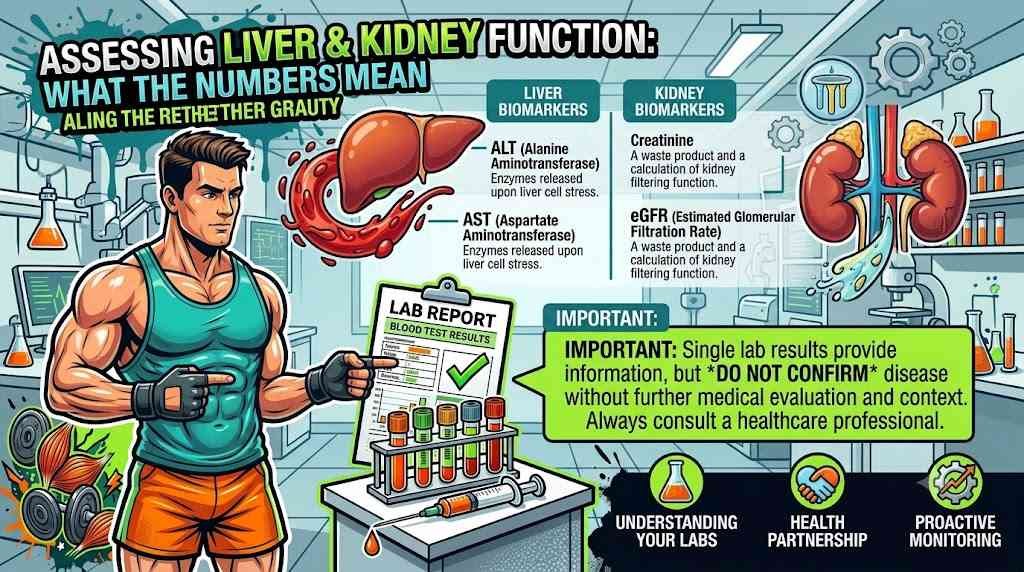
Bodybuilders often consume high-protein diets, use creatine, and train with heavy weights. Understanding kidney-related blood tests can help put health concerns into perspective. SHBG on Blood Test: Normal Range, High & Low Levels Explained
The main markers to know are:
Creatinine: A waste product produced largely through normal muscle metabolism. It’s commonly used to help estimate kidney function.
eGFR (estimated glomerular filtration rate): An estimate of how effectively the kidneys filter waste from the blood. It’s generally calculated using creatinine and other information, depending on the equation used.
BUN or urea: Measures a waste product associated with protein metabolism. Results can be influenced by diet, hydration, and other factors.
Urine albumin-to-creatinine ratio (uACR): A urine test that checks for albumin, a protein that can leak into the urine when the kidneys are affected by certain conditions.
Why bodybuilders need to interpret creatinine carefully
People with greater muscle mass may naturally have higher creatinine levels than people with less muscle mass. Creatine supplementation, a recent hard workout, eating cooked meat before testing, and dehydration can also influence creatinine measurements.
This means a creatinine result that appears high doesn’t automatically prove kidney disease. Equally, being muscular shouldn’t be used to dismiss an abnormal result.
Depending on your medical history and initial results, a clinician may consider urine testing or a cystatin C-based estimate of kidney function. Cystatin C is less directly affected by muscle mass than creatinine, although it has its own limitations.
What about high protein intake? A high-protein diet isn’t automatically harmful to every healthy adult, but people with chronic kidney disease or certain other medical conditions may need individualized protein guidance. If you have a known kidney problem, don’t follow an aggressive bodybuilding diet without discussing it with your healthcare professional.
Cholesterol and Lipid Profile: Check Your Heart Health
You can have impressive muscles, good strength, and excellent gym endurance while still having an unhealthy cholesterol profile. That’s why a lipid panel deserves attention as part of appropriate preventive healthcare.
A standard lipid panel commonly includes:
- LDL cholesterol: Often called “bad” cholesterol because elevated levels contribute to plaque buildup in arteries.
- HDL cholesterol: Often called “good” cholesterol because it helps transport cholesterol; however, a high HDL number doesn’t cancel out every other cardiovascular risk.
- Triglycerides: A type of fat carried in the blood.
- Total cholesterol: A combined measure that provides part of the overall picture.
Why this matters for bodybuilding
Some anabolic steroids can substantially reduce HDL cholesterol and increase LDL cholesterol. These changes may occur even when someone feels healthy and sees good progress in the gym.
Other factors, including genetics, diet, smoking, alcohol use, diabetes, and certain medications, can also affect lipid levels.
Here’s the important part: being lean doesn’t guarantee healthy cholesterol. Visible abs and a muscular physique tell you very little about what your lipid panel looks like.
A clinician will interpret your results alongside factors such as blood pressure, age, family history, smoking status, and existing health conditions. Depending on the situation, further cardiovascular risk assessment may be appropriate.
Don’t try to correct an abnormal lipid panel with supplements alone. Nutrition, exercise, medication when indicated, and changes to relevant risk factors may all have a role.
Testosterone Blood Tests: Total Testosterone, Free Testosterone and SHBG
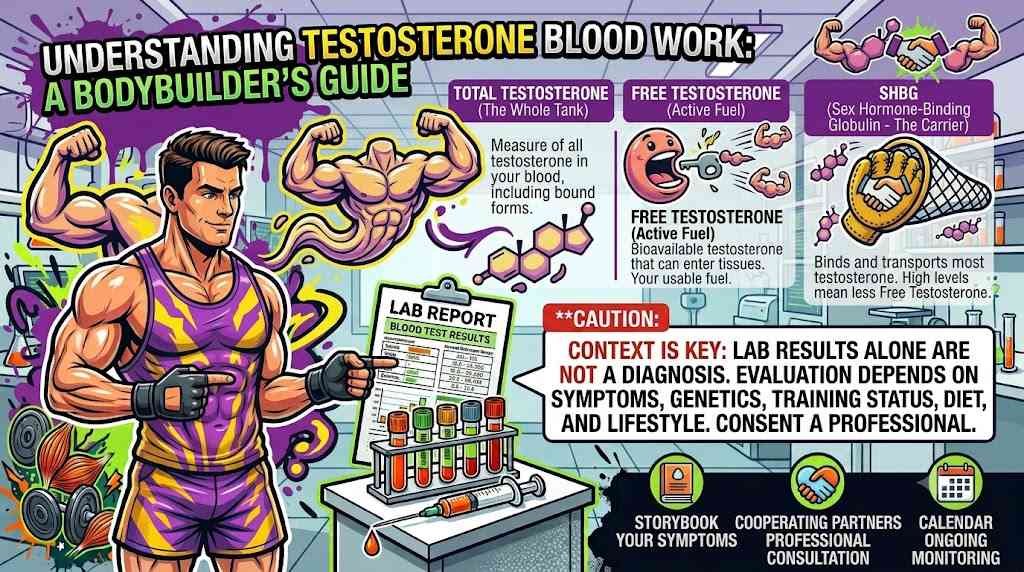
Testosterone is one of the most discussed hormones in bodybuilding. It plays a role in muscle development, bone health, sexual function, red blood cell production, and other processes.
But testing testosterone is not simply about finding the highest possible number.
Total testosterone
Total testosterone measures testosterone circulating in the blood, including the portion attached to proteins and the smaller portion that is unbound.
A low result can be relevant when someone has symptoms such as reduced libido, fewer spontaneous erections, persistent unexplained fatigue, or loss of strength and muscle that cannot otherwise be explained. However, these symptoms can have many causes.
When testosterone deficiency is suspected, clinical guidelines generally recommend confirming a low result with repeat morning testing rather than making a diagnosis from one measurement.
Free testosterone
Free testosterone refers to the fraction not bound to blood proteins. It can be useful in particular circumstances, especially when total testosterone and symptoms don’t seem to match.
Free testosterone measurements and calculations aren’t all equally reliable. Your clinician may select an appropriate method based on your circumstances and the tests available.
SHBG (sex hormone-binding globulin)
SHBG is a protein that binds to sex hormones, including testosterone. Its level can affect the relationship between total and free testosterone.
For example, two people with similar total testosterone results may have different free testosterone levels because their SHBG levels differ.
SHBG can be influenced by factors including thyroid function, liver health, body composition, age, and some medications.
What should bodybuilders remember?
- Don’t diagnose low testosterone from fatigue alone.
- Don’t compare your result directly with a professional bodybuilder’s or another person’s result.
- Don’t assume that a higher testosterone reading automatically means better muscle growth.
- If you’re using prescribed testosterone, make sure your clinician knows the preparation and timing of your last dose.
- If you’re using non-prescribed anabolic steroids, disclose that honestly to your healthcare professional because it can materially change how your results are interpreted.
Testing should be driven by symptoms, medical history, and clinical judgment—not simply a desire to maximize hormone numbers.
Blood Tests for Bodybuilders: Estradiol and Other Hormone Tests
Estradiol is a form of estrogen that also plays important roles in men, including supporting bone health and normal sexual function.
Although bodybuilding discussions sometimes focus heavily on estrogen, estradiol isn’t a hormone that should automatically be driven as low as possible. Both excessive and insufficient levels can be associated with health problems.
A clinician may consider estradiol testing when there are relevant symptoms, particular hormone-related concerns, or a reason to monitor treatment.
Other tests may be appropriate depending on the situation:
- LH (luteinizing hormone): Helps regulate testosterone production in the testes.
- FSH (follicle-stimulating hormone): Plays a role in sperm production.
- Prolactin: May be checked when particular symptoms suggest a reason to investigate it.
- Additional reproductive testing: May be considered when fertility is a concern.
These tests aren’t required as a routine panel for every bodybuilder.
If you have persistent breast tenderness or enlargement, sexual dysfunction, fertility concerns, or other unexplained symptoms, speak to a clinician instead of attempting to correct an assumed hormone imbalance on your own.
Blood Tests for Bodybuilders: Blood Sugar, Fasting Glucose and HbA1c
Building muscle requires enough food to support training and recovery. But eating more calories than you burn doesn’t mean blood sugar health should be ignored.
Two common tests are fasting blood glucose and HbA1c.
Fasting blood glucose measures the amount of glucose in your blood after the required fasting period. It provides a snapshot of your blood sugar at that time.
HbA1c estimates average blood glucose over approximately the previous two to three months. It can help identify prediabetes or diabetes when interpreted using appropriate clinical criteria.
Depending on your health history, a clinician may recommend one or both tests. Risk factors such as family history, excess body fat, certain medications, and symptoms can affect whether screening is appropriate.
Remember that HbA1c can be less reliable in some circumstances, including certain blood disorders and conditions that affect red blood cell turnover.
For bodybuilders, the practical lesson is simple: a calorie surplus should still be built around an appropriate diet, and unexplained excessive thirst, frequent urination, or unintended weight loss deserves medical attention.
Blood Tests for Bodybuilders: Thyroid Function Tests: TSH and Free T4
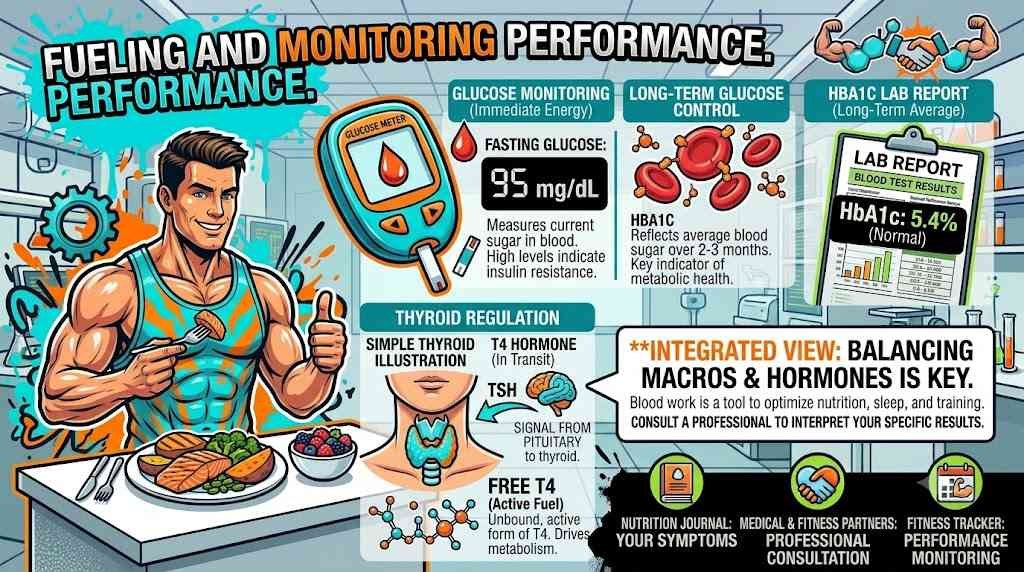
Your thyroid helps regulate metabolism, body temperature, heart rate, and several other essential processes. When thyroid function is abnormal, it can affect how you feel and perform in the gym.
The main screening test is usually TSH (thyroid-stimulating hormone). Depending on the result and clinical situation, a healthcare professional may also request free T4, a measure of circulating thyroxine that is available for use by the body.
Thyroid problems can sometimes cause symptoms that bodybuilders mistake for training or diet issues.
Possible symptoms include:
- Persistent fatigue or unusual weakness.
- Unexplained changes in body weight.
- Feeling unusually cold or hot.
- Changes in heart rate.
- Constipation or changes in bowel habits.
- Difficulty recovering or changes in exercise tolerance.
None of these symptoms proves that your thyroid is the problem. Poor sleep, inadequate calorie intake, stress, and other medical conditions can cause similar issues. What Is PCT? Dosage & Chart
Thyroid testing isn’t necessary for every healthy person who lifts weights. It becomes more relevant when symptoms, medical history, or a clinician’s assessment suggest a reason to investigate.
Don’t use thyroid medication as a fat-loss shortcut. Taking it unnecessarily can create serious health risks, including abnormal heart rhythms and bone loss.
Blood Tests for Bodybuilders: Additional Blood Tests Bodybuilders May Need
The tests we’ve covered provide a useful foundation, but they don’t cover every possible health concern. Other tests may be worth discussing depending on your diet, symptoms, medical history, and training demands.
| Test | When it may be useful |
|---|---|
| Ferritin and iron studies | Suspected iron deficiency, anemia, or unexplained fatigue |
| Vitamin B12 | Suspected deficiency, certain dietary patterns, or relevant symptoms |
| Vitamin D | Specific deficiency risks or clinical indications |
| Electrolytes | Certain medication uses, dehydration concerns, or suspected imbalances |
| C-reactive protein (CRP) | When a clinician needs to investigate particular inflammatory concerns |
| Urine testing | Kidney concerns, urinary symptoms, or relevant screening |
| Additional fertility tests | When sperm production or fertility is a concern |
These are examples, not a shopping list. More tests do not necessarily mean better healthcare. Testing without a clear reason can produce confusing results and unnecessary follow-up.
A good approach is to start with your health history and goals, then select tests that can answer meaningful clinical questions.
What Blood Tests Should You Consider After Anabolic Steroid Use?
This is an important subject for bodybuilders who have used anabolic-androgenic steroids.
Steroid use can affect several body systems, and the effects vary with the substances involved, exposure, individual susceptibility, and other health factors. Someone may feel normal while still having abnormal blood pressure, cholesterol, blood counts, or hormone levels.
A clinician may consider the following areas when evaluating someone after anabolic steroid use.
1. CBC and hematocrit
Assess red blood cell measurements, hemoglobin, hematocrit, and other blood components. This is particularly relevant when there has been testosterone or other androgen exposure.
2. Lipid profile and blood pressure
Evaluate cardiovascular risk factors, including possible reductions in HDL cholesterol and increases in LDL cholesterol.
3. Liver and kidney assessment
The appropriate tests depend on the compounds used, symptoms, medical history, and other risk factors. Clinicians may consider liver enzymes, kidney markers, and urine tests.
4. Hormonal assessment
Depending on symptoms and the timing of exposure, testing may include testosterone, LH, FSH, and other hormones when indicated.
Does everyone need the same post-cycle blood panel?
No. The best testing plan depends on the individual’s circumstances. A clinician needs to know what was taken, approximately when it was taken, whether any prescribed hormones or other medications are involved, and what symptoms have developed.
This is also why one fixed calendar or one universal post-cycle blood panel cannot reliably establish that everyone has recovered.
Can blood tests tell you whether natural testosterone production has recovered?
They can provide important evidence, but a single result is not always enough.
After anabolic steroid use, the body’s hormonal regulation may take time to recover. Testosterone levels can be influenced by the substances used, their duration of action, the time since the last exposure, sleep, illness, and the timing of the blood draw.
Clinicians may interpret testosterone alongside LH and FSH, symptoms, and repeat measurements when appropriate. Fertility recovery is a separate issue: a testosterone result alone cannot establish that sperm production has returned to normal.
Don’t assume that feeling stronger or maintaining your muscle size proves hormonal recovery. Equally, don’t assume that a single low reading tells the entire story.
Avoid self-prescribing post-cycle medications based solely on an online blood-test chart. These medicines have their own risks and should be evaluated by a qualified healthcare professional.
Blood Tests for Bodybuilders: When Should Bodybuilders Get Blood Work?
There is no single testing schedule that fits every lifter. Testing frequency should depend on health risks, symptoms, previous results, medications, and medical advice.
Some common situations where a blood test may be appropriate include:
- During routine preventive care: Discuss age-appropriate screening and individual risk factors with your clinician.
- When symptoms develop: Persistent fatigue, unexplained weight changes, sexual symptoms, or unusual exercise intolerance may justify targeted testing.
- When monitoring prescribed medication: Follow the monitoring schedule recommended by the prescribing clinician.
- After anabolic steroid exposure: Seek individualized assessment rather than relying on a generic online timeline.
- When previous results were abnormal: Your clinician may recommend repeat testing or additional investigations.
If you are healthy, feel well, and have no relevant risk factors, you may not need a large panel of tests simply because you train regularly.
On the other hand, if you have a known medical condition or are using medications that require monitoring, don’t skip recommended follow-up just because your gym performance feels good.
How to Prepare for a Blood Test
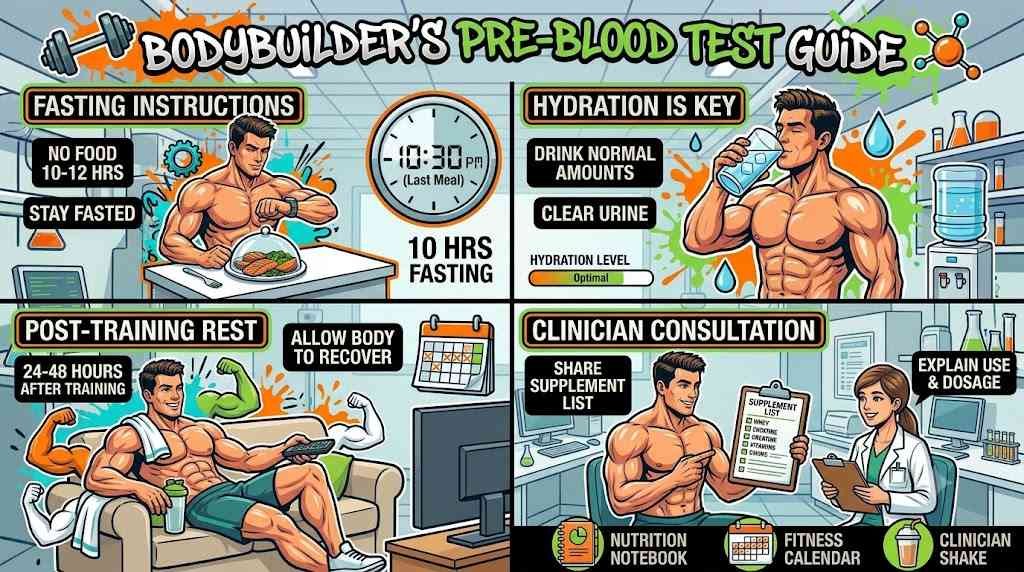
Even a useful blood test can be difficult to interpret if you don’t prepare appropriately. A few simple steps can help your healthcare professional get more meaningful results.
1. Follow the laboratory’s fasting instructions
Not every blood test requires fasting. Some lipid panels can be performed without fasting, while certain glucose tests require it. Follow the instructions provided for your specific tests.
Don’t fast unnecessarily or extend a fast beyond what you’ve been instructed to do, especially if you have diabetes or take medication that can affect blood sugar.
2. Tell your clinician about supplements and medications
Make a list of everything you take, including creatine, protein powders, pre-workout products, vitamins, prescribed medications, and any anabolic substances.
Some products can affect test results or change how the results should be interpreted. Don’t stop a prescribed medication or discontinue a supplement solely to manipulate a result without appropriate guidance. Why Do Steroids Cause Hair Loss? DHT, Genetics & More
3. Consider your recent workout
Hard resistance training can temporarily affect several blood markers, including AST, ALT, creatine kinase, and sometimes kidney-related measurements.
If the purpose of your test is to investigate a possible abnormality, your clinician may recommend avoiding strenuous exercise for a period before repeat testing. The appropriate interval depends on the test and the reason for testing.
4. Stay normally hydrated
Dehydration can influence blood concentration and certain kidney-related measurements. Drink water normally unless you’ve been given different instructions.
Avoid deliberately drinking excessive amounts of water to try to change your results.
5. Keep the timing consistent when needed
Some hormones, including testosterone, vary with the time of day. When repeat testing is required, following a consistent, clinically appropriate collection schedule can make comparisons more meaningful.
6. Be honest about steroid use
This point matters. If you have used anabolic steroids, testosterone, SARMs, or other performance-enhancing substances, tell your healthcare professional.
Accurate information helps them select appropriate tests and interpret abnormal results. You don’t need to guess which details matter most; explain what you took and approximately when you took it.
Blood Tests for Bodybuilders: How to Understand Your Blood-Test Results
Getting a lab report is one thing. Understanding what it means is another.
Most reports show your result, a unit of measurement, and a reference interval. Some also flag results as high or low.
But a flag is not a diagnosis, and a result inside the reference interval does not guarantee that everything is healthy.
Understand reference ranges
Reference intervals are generally based on measurements from a reference population and can differ between laboratories. The correct interpretation also depends on the particular test, the person’s circumstances, and the clinical question being investigated.
A result slightly outside the range may not indicate a serious problem. A result within range can still need investigation if symptoms or other findings suggest a medical issue.
Compare results over time
When monitoring a known health issue, changes over time can be more informative than one isolated result.
However, comparisons are most useful when the tests, units, laboratory methods, and collection conditions are reasonably comparable. Recent exercise, illness, hydration, medications, and other factors may explain some differences.
Don’t try to optimize every number
Bodybuilding culture can make it tempting to chase the highest testosterone level, the lowest body fat, or a particular cholesterol number.
That’s not a reliable way to judge overall health.
The goal is to understand whether a result has clinical significance and what, if anything, needs to be done about it. A qualified clinician can help you prioritize the findings that matter.
Common Blood-Test Mistakes Bodybuilders Make
Even people who are disciplined with training and nutrition can misunderstand their lab reports. Watch out for these common mistakes.
Mistake 1: Assuming normal gym performance means good health. You can feel strong while having an abnormal lipid profile or another problem that needs attention.
Mistake 2: Testing immediately after a brutal workout without mentioning it. Exercise can affect several markers and complicate interpretation.
Mistake 3: Assuming every high creatinine result means kidney disease. Muscle mass and other factors can influence creatinine, but an abnormal result should still be interpreted appropriately.
Mistake 4: Treating testosterone like a competition. Comparing your number with a friend’s result doesn’t tell you whether your level is appropriate for your health.
Mistake 5: Using supplements to correct unexplained abnormalities. The right response depends on the cause, not just the name of the marker.
Mistake 6: Ordering every available test. Unnecessary testing can lead to confusing findings, additional costs, and avoidable anxiety.
Mistake 7: Ignoring symptoms because one report looks normal. If symptoms persist, speak to a healthcare professional even if your initial blood work is unremarkable.
Mistake 8: Hiding performance-enhancing drug use from your doctor. Incomplete information can lead to the wrong testing decisions or misinterpretation of results.
The smartest approach is to use blood work as one part of a bigger health picture that includes symptoms, medical history, blood pressure, nutrition, sleep, and training habits.
Frequently Asked Questions About Blood Tests for Bodybuilders
1. What are the most important blood tests for bodybuilders?
Common tests to discuss include a CBC, liver and kidney assessment, lipid profile, and blood glucose testing when appropriate. Hormone tests such as testosterone and SHBG may be relevant when symptoms or medical history indicate a need.
2. Should natural bodybuilders get blood work?
Natural bodybuilders can benefit from appropriate routine preventive care and targeted testing when symptoms or risk factors warrant it. Being natural doesn’t automatically mean every blood marker is normal, but lifting weights alone doesn’t mean you need an extensive panel.
3. Can blood tests show whether I’m recovering properly from workouts?
Blood tests can investigate certain medical causes of poor recovery, fatigue, or weakness. However, they cannot provide a complete measure of muscle recovery or tell you exactly when your muscles are ready for another hard session.
Sleep, nutrition, training load, and symptoms remain important.
4. Does creatine increase creatinine levels?
Creatine supplementation can increase measured serum creatinine in some people without necessarily indicating kidney damage. Muscle mass, recent exercise, and other factors can also affect the result. A clinician may use additional information or alternative kidney-function assessments if needed.
5. Can a blood test confirm low testosterone?
Blood tests are essential for evaluating suspected testosterone deficiency, but a diagnosis generally requires compatible symptoms or clinical findings and consistently low testosterone measurements. Repeat morning testing is commonly recommended.
6. Which blood tests are important after steroid use?
Depending on the exposure and medical history, a clinician may assess CBC, hematocrit, cholesterol, liver and kidney markers, and reproductive hormones. Other tests may be appropriate depending on symptoms. There is no single panel that suits everyone.
7. Should I avoid the gym before a blood test?
Not necessarily for every test. However, strenuous exercise can temporarily affect several results. Ask your healthcare professional whether you should avoid hard training before your particular blood draw, especially if you are investigating an abnormal result.
8. How often should bodybuilders get blood tests?
There is no universal schedule. The appropriate interval depends on your age, medical history, symptoms, medications, risk factors, and previous results. Follow individualized advice rather than automatically testing every few weeks or months.
9. Can normal blood work guarantee that I’m healthy?
No. Blood tests evaluate specific markers and cannot rule out every medical condition. Symptoms, physical examination, medical history, blood pressure, and other investigations may also be important.
10. Can I interpret my blood-test results using online reference ranges?
Online ranges can provide general context, but your own laboratory’s reference intervals and the clinical situation matter. If a result is abnormal or you have symptoms, discuss it with a qualified healthcare professional instead of self-diagnosing.
Need Help Understanding Your Bodybuilding Health Goals?
Blood work can help you make informed decisions about your health, but the results need to be interpreted correctly. At Gym Pundit, we believe that training hard should go hand in hand with understanding recovery, nutrition, and the limits of supplements.
If you need help with general bodybuilding nutrition, workout planning, or understanding which questions to discuss with your healthcare professional, you can contact Gym Pundit.
Gym Pundit WhatsApp Support
General bodybuilding, nutrition and training guidance.
WhatsApp: +91 76965 93279 Chat on WhatsApp
For medical concerns or abnormal blood-test results, consult a qualified healthcare professional. WhatsApp fitness guidance is not a substitute for medical diagnosis or treatment.
Final Thoughts
Blood tests for bodybuilders aren’t about chasing perfect numbers or finding shortcuts to better gains. They’re about understanding what’s happening inside your body while you work toward your fitness goals.
Start with the tests that make sense for your health history and circumstances. Learn what the main markers measure, prepare properly for testing, and get professional guidance when results are abnormal.
Keep your training consistent, eat appropriately, prioritize sleep, and don’t ignore persistent symptoms. The best long-term physique is one you can build while taking your overall health seriously.