
Sertraline 50 mg is a commonly prescribed strength of sertraline, a medication belonging to the selective serotonin reuptake inhibitor (SSRI) class of antidepressants. It is primarily used to manage several mental health conditions, including depression, panic disorder, obsessive-compulsive disorder (OCD), post-traumatic stress disorder (PTSD), social anxiety disorder, and premenstrual dysphoric disorder (PMDD).
Although the 50 mg strength is widely prescribed, the appropriate amount varies from person to person. Doctors consider the condition being treated, previous response to medication, other medicines being taken, age, and individual tolerance when determining treatment.
This guide explains sertraline 50 mg uses, how the medication works, common side effects, dosage considerations, possible interactions, weight-related questions, and important safety information. It is intended for educational purposes and should not replace advice from a qualified healthcare professional. Ipamorelin: Benefits, Dosage, Side Effects, & Results
What Is Sertraline 50 mg?
Sertraline is an SSRI that works primarily by increasing the availability of serotonin in the brain. Serotonin is a neurotransmitter involved in mood, emotional regulation, sleep, and several other biological processes.
The 50 mg strength refers to the amount of sertraline contained in a tablet or other prescribed formulation. It is not necessarily the starting amount for every patient. Depending on the condition and individual circumstances, a healthcare professional may prescribe a different strength or gradually adjust treatment.
Sertraline is available under different brand names in various countries, with Zoloft being one of the best-known brand names. Generic versions containing sertraline are also widely available.
It is important to understand that this medication is not designed to produce an immediate change in mood. SSRIs generally require consistent use over time before their full therapeutic effects become apparent.
Sertraline 50 mg Uses and What It Treats
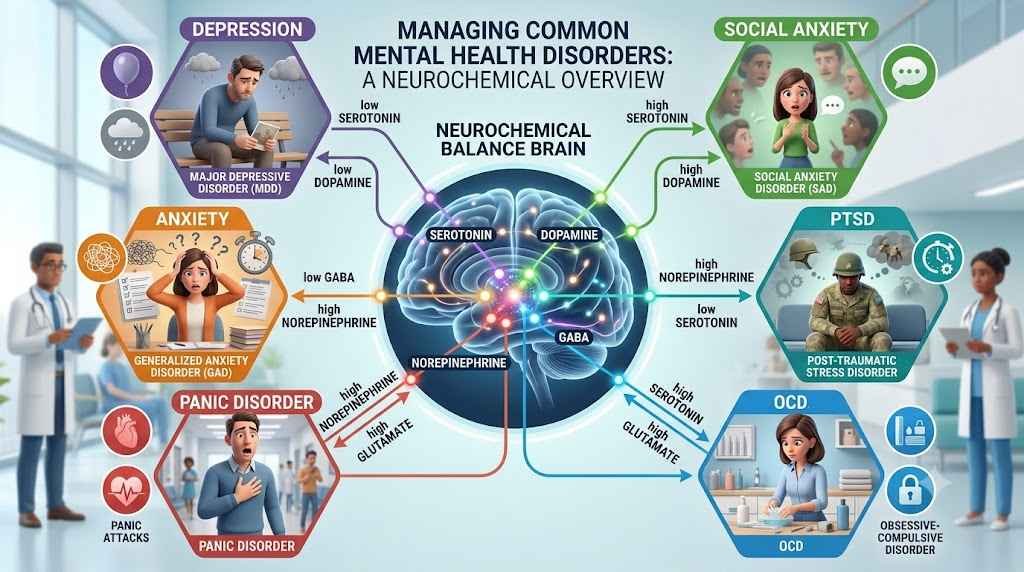
Doctors may prescribe sertraline for several conditions involving mood, anxiety, or unwanted thoughts and behaviors.
Sertraline for Depression
One of the major uses of sertraline is the treatment of depression. Depression can affect mood, motivation, sleep, appetite, concentration, and everyday functioning.
By influencing serotonin signaling, treatment may help reduce depressive symptoms over time. However, the response differs considerably between individuals, and finding the most appropriate treatment can sometimes require medical follow-up and adjustment.
Sertraline for Anxiety and Panic Disorder
Sertraline may also be prescribed for certain anxiety-related conditions. People experiencing panic disorder, for example, may have repeated episodes of intense fear accompanied by physical symptoms such as a racing heartbeat, sweating, trembling, or shortness of breath.
Treatment is generally intended to reduce the frequency and severity of symptoms rather than provide immediate relief during an acute panic episode.
Sertraline for OCD
Obsessive-compulsive disorder involves recurring unwanted thoughts or urges and repetitive behaviors or mental acts performed in response to them.
Sertraline is one of the medications that healthcare professionals may use as part of OCD treatment. Depending on the individual, medication may be combined with psychological therapy such as cognitive behavioral therapy.
Sertraline for PTSD
Post-traumatic stress disorder can develop after experiencing or witnessing a traumatic event. Symptoms may include intrusive memories, nightmares, avoidance, heightened alertness, and significant emotional distress.
Sertraline may be prescribed as part of a broader treatment approach for PTSD. Medical supervision is particularly important because treatment needs can vary significantly between patients.
Sertraline for Social Anxiety
Social anxiety disorder involves significant fear or anxiety surrounding social situations, interactions, or situations in which a person feels they may be judged by others.
Sertraline may help reduce persistent anxiety symptoms when prescribed appropriately. Improvement is generally gradual rather than immediate.
How Sertraline 50 mg Works

Sertraline belongs to a group of medicines called selective serotonin reuptake inhibitors (SSRIs). It primarily works by affecting serotonin, a chemical messenger involved in mood, emotions, and other functions in the nervous system.
Sertraline reduces the reuptake of serotonin by nerve cells, allowing more of this neurotransmitter to remain available between nerve cells. Over time, changes in serotonin signaling may help improve symptoms associated with depression and certain anxiety-related disorders.
However, the effect is not immediate. Some people notice changes in symptoms within the first couple of weeks, while the full benefit may take several weeks or longer. Individual responses can vary.
Sertraline 50 mg Dosage and How to Take It
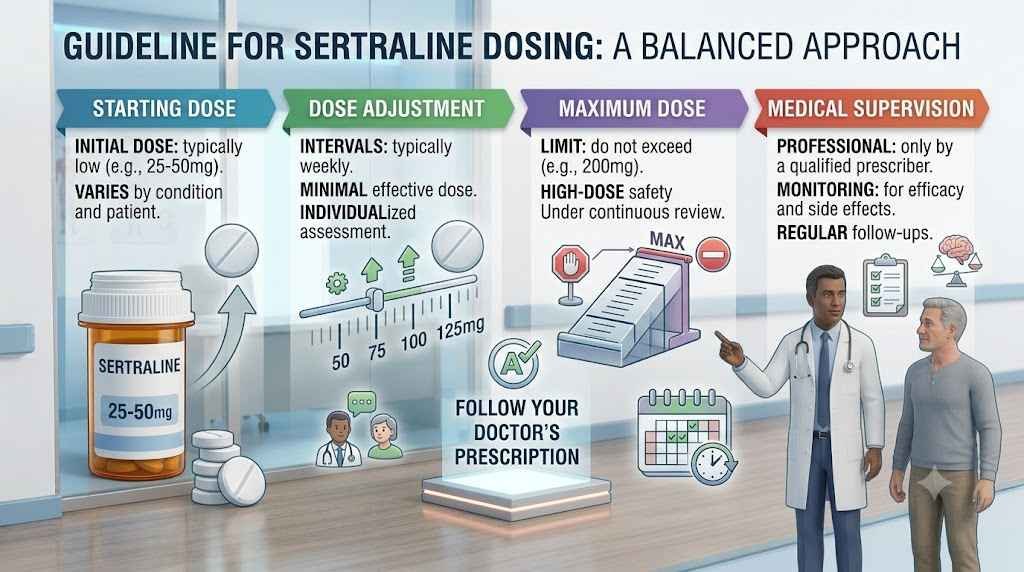
The appropriate dose depends on the condition being treated and the individual’s response to therapy. A healthcare professional may prescribe a lower amount initially and increase it gradually when appropriate.
The 50 mg strength is commonly used during treatment, but it does not mean that everyone should begin treatment at this amount.
Sertraline is generally taken once daily, and it can usually be taken either with or without food. It should be taken consistently according to the instructions provided by the prescribing clinician.
Do not change the amount, take extra tablets, or alter the timing of treatment without discussing it with your doctor or pharmacist.
When Should You Take Sertraline?
Sertraline can generally be taken at either morning or evening, depending on how the medication affects you and the instructions you’ve received.
Some people experience drowsiness, while others may have difficulty sleeping. Taking it at the same time each day can make it easier to maintain a consistent routine.
If you are unsure whether morning or evening is more appropriate for you, ask your healthcare professional rather than changing the schedule yourself.

What Happens If You Miss a Dose?
If you forget a dose, follow the instructions provided by your doctor or pharmacist. In general, you should not take two doses together simply to compensate for a missed dose.
If you frequently forget doses, using a daily reminder or taking the medicine at the same time as another established routine may help.
Can You Take More Than 50 mg?
Some patients may eventually be prescribed a higher daily amount, depending on the condition being treated and their response. Any increase should be determined by a healthcare professional.
Taking more than prescribed does not necessarily make the medication work faster and may increase the risk of adverse effects.
How Long Does Sertraline Take to Work?
One of the most common questions about this medication is how quickly it begins working.
Some people may notice early changes in symptoms within the first few weeks, while meaningful improvement can take longer. Anxiety symptoms, mood changes, sleep patterns, and other symptoms may improve at different rates.
It is important not to stop treatment simply because you do not feel better immediately. Your healthcare professional can evaluate your response and determine whether the treatment should continue, be adjusted, or be changed.
Why Consistency Matters
SSRIs are generally intended to be taken consistently. Missing doses repeatedly can make it more difficult to assess whether treatment is working properly.
Keeping a regular schedule also allows your healthcare provider to evaluate your response more accurately during follow-up appointments.
Sertraline 50 mg Side Effects
Like other prescription medicines, sertraline can cause side effects. Not everyone experiences them, and some reactions may become less noticeable as the body adjusts to treatment.
The type and severity of side effects can vary depending on the individual, the condition being treated, other medications, and the prescribed amount.
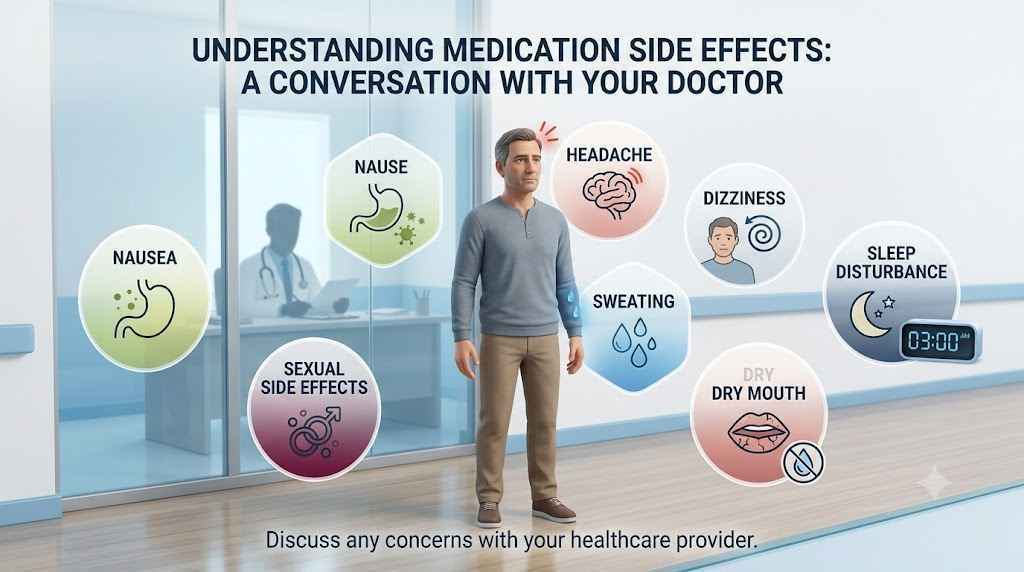
Common Side Effects
Some commonly reported effects include:
- Nausea
- Diarrhea or loose stools
- Dry mouth
- Headache
- Dizziness
- Feeling tired or sleepy
- Difficulty sleeping
- Increased sweating
- Changes in appetite
- Sexual difficulties
Nausea is particularly common when treatment is first started. Taking the medication consistently and following the prescribed instructions may help, but persistent or troublesome symptoms should be discussed with a healthcare professional. HGH Frag (176-191): Benefits, Dosage, & Fat Loss
Sertraline 50 mg and Sexual Side Effects
Sexual side effects are an important consideration with SSRIs. Some people may experience reduced sexual desire, difficulty reaching orgasm, or problems with sexual function during treatment.
These effects can be uncomfortable but are often not discussed openly. If they occur, don’t stop the medication suddenly. A doctor can discuss possible options, which may include adjusting treatment or considering another medication.
Sertraline 50 mg and Sleep
Sertraline can affect sleep differently from one person to another.
Some people may feel sleepy or fatigued, while others may experience difficulty falling asleep or staying asleep. Taking the medication at a different time of day may sometimes be considered, but this should be discussed with your healthcare professional first.
If sleep problems continue or become severe, tell your doctor rather than changing the treatment independently.
Sertraline 50 mg and Weight Changes
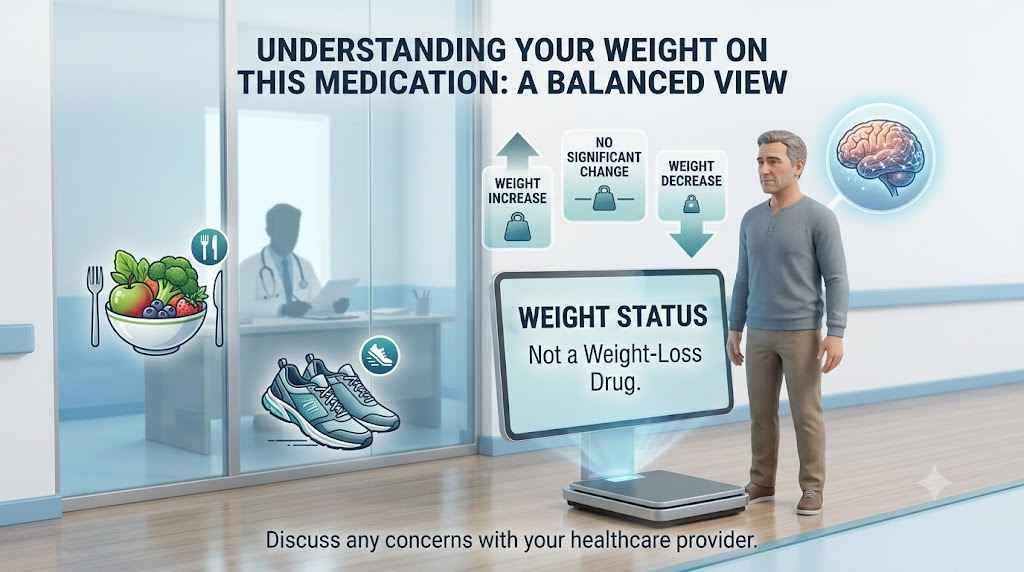
Weight changes are another common concern when discussing antidepressant treatment.
Sertraline is not a weight-loss medication and should not be used specifically for reducing body fat. Some people may experience changes in appetite or body weight during treatment, while others may notice little or no change.
Weight can also be affected by depression, anxiety, appetite, activity levels, sleep, diet, and other medications. Therefore, a change in body weight does not necessarily mean that sertraline itself is responsible.
If you experience significant or unexpected weight changes, speak with your healthcare professional.
Does Sertraline Cause Weight Loss?
There is no reliable reason to use sertraline as a weight-loss treatment. Although some individuals may experience reduced appetite or weight loss, others may experience weight gain or no meaningful change.
Anyone considering antidepressant treatment primarily for weight management should discuss safer and more appropriate approaches with a healthcare professional.
Serious Side Effects That Require Medical Attention
Most people do not experience serious complications, but certain symptoms require prompt medical attention.
Seek urgent medical help if you develop symptoms such as:
- Severe allergic reaction
- Difficulty breathing or swelling of the face, lips, tongue, or throat
- Seizures
- Severe confusion or unusual agitation
- Fainting or significant changes in consciousness
- Unusual bleeding or bruising
- Severe skin reactions
- Thoughts of self-harm or suicide
Another uncommon but potentially serious problem is serotonin syndrome, which can occur when serotonin levels become excessively high, particularly when serotonergic medicines are combined.
Possible symptoms can include agitation, confusion, heavy sweating, shaking, muscle stiffness, fever, rapid heartbeat, or diarrhea. This requires urgent medical evaluation.
Changes in Mood or Suicidal Thoughts
Antidepressant treatment can sometimes be associated with changes in mood or suicidal thoughts, particularly when treatment is first started or when the dose is changed.
Any new or worsening suicidal thoughts, severe behavioral changes, or unusual agitation should be taken seriously. Contact a healthcare professional promptly, and seek emergency assistance if there is an immediate danger.
When Should You Contact Your Doctor?
Contact your healthcare provider if side effects are persistent, severe, interfere with daily activities, or concern you.
Do not abruptly discontinue treatment because of an unwanted effect unless a healthcare professional specifically tells you to do so. Stopping an SSRI suddenly can result in discontinuation symptoms.
The safest approach is to discuss benefits, side effects, and treatment duration with the clinician managing your care.
Sertraline 50 mg Interactions
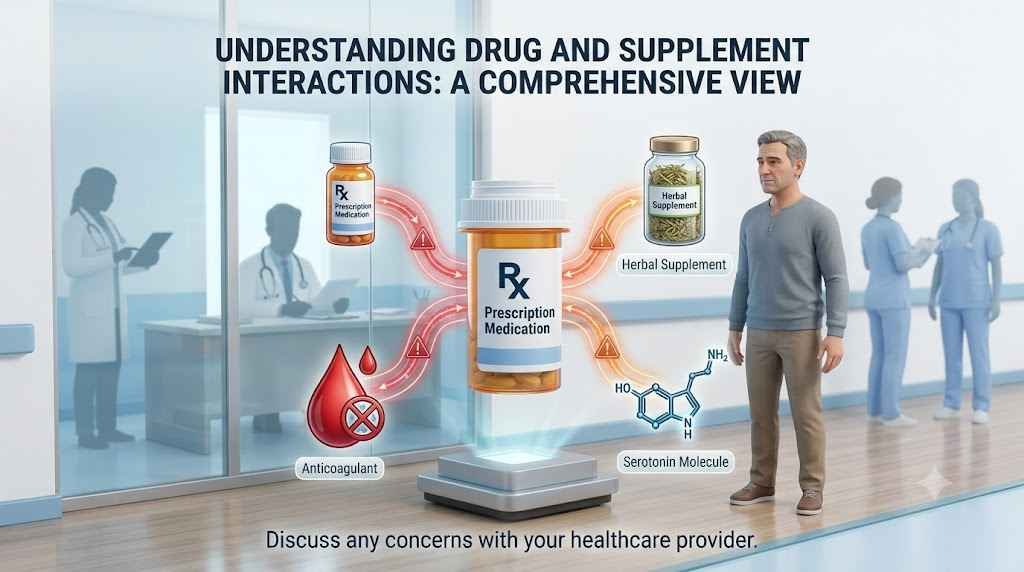
Sertraline can interact with certain prescription medicines, over-the-counter products, and supplements. These interactions can sometimes increase side effects or affect how medicines work.
Some important combinations include:
- MAO inhibitors: Combining sertraline with MAO inhibitors can cause dangerous reactions and requires specific timing between treatments.
- Other antidepressants: Taking multiple medicines that affect serotonin can increase the risk of serotonin syndrome.
- Certain pain medicines: Some medicines used for pain can increase the risk of bleeding or serotonin-related reactions.
- Blood thinners: Sertraline may increase bleeding risk when combined with certain anticoagulant or antiplatelet medicines.
- St. John’s wort: This herbal supplement can interact with sertraline and increase the risk of unwanted effects.
- Other medicines affecting serotonin: Combining several serotonergic substances requires medical supervision.
Always tell your doctor or pharmacist about every medication, supplement, and herbal product you use before starting treatment.
Can You Drink Alcohol While Taking Sertraline?
Alcohol may make some of the unwanted effects of sertraline more noticeable. It can potentially increase dizziness, drowsiness, impaired concentration, or difficulty making decisions.
Alcohol can also worsen depression and anxiety symptoms in some people.
For these reasons, discuss alcohol consumption with your healthcare professional rather than assuming that drinking is safe simply because the medication is prescribed at a commonly used strength.
Sertraline 50 mg Withdrawal and Discontinuation
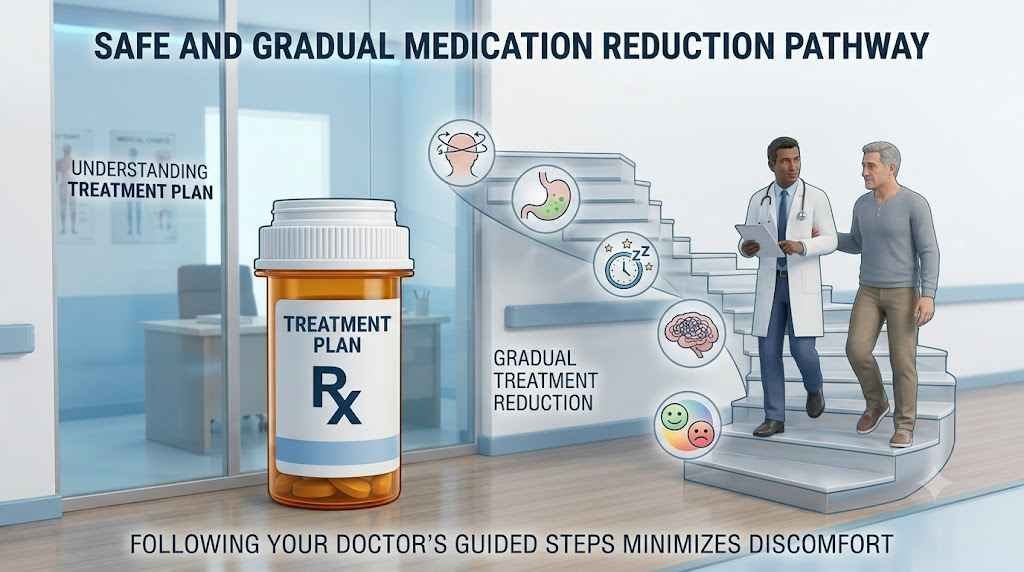
Sertraline should generally not be stopped suddenly without medical guidance.
After regular use, suddenly discontinuing an SSRI can cause discontinuation symptoms. These may include:
- Dizziness
- Headache
- Nausea
- Sleep disturbances
- Anxiety or irritability
- Sweating
- Changes in mood
- Unusual sensations sometimes described as electric-shock-like feelings
The likelihood and severity of symptoms can vary from person to person.
If treatment needs to be discontinued, a healthcare professional can determine whether the dose should be reduced gradually. IGF-1 LR3: Benefits, Dosage, Cycle, Side Effects & Muscle Growth
How Long Does Withdrawal Last?
There is no single withdrawal timeline that applies to everyone. Some people experience relatively mild symptoms for a short period, while others may experience symptoms for longer.
The duration can depend on factors such as how long treatment was used, the prescribed amount, individual sensitivity, and how quickly treatment was reduced.
If symptoms are severe, persistent, or difficult to manage, contact your healthcare professional.
Sertraline 50 mg Brand Names
Sertraline is available as a generic medicine and under several brand names depending on the country.
Zoloft is one of the best-known brand names associated with sertraline. Generic sertraline contains the same active pharmaceutical ingredient, although inactive ingredients and tablet appearance can differ between manufacturers.
The brand name, packaging, tablet shape, and color may therefore vary depending on where the medicine was obtained.
Sertraline 50 mg Pill Identification
Pills containing sertraline can look different depending on the manufacturer.
Color, shape, markings, packaging, and tablet design should not be used as the only way to determine what a pill contains. If you have an unidentified tablet, don’t take it based solely on an internet photograph.
A pharmacist can help identify a medication using the physical characteristics and manufacturer information. If the packaging is missing or you suspect the medicine may not be authentic, professional verification is particularly important.
Sertraline 50 mg Reviews: What Do They Really Tell You?
Online reviews can provide insight into other people’s experiences, but they should not be treated as evidence of how the medication will affect you.
Some people report improvements in mood or anxiety, while others report side effects or limited benefit. Differences in diagnosis, treatment duration, other medicines, lifestyle, and individual biology can all influence these experiences.
A review cannot determine whether sertraline is appropriate for a particular person.
Frequently Asked Questions About Sertraline 50 mg
What Is Sertraline 50 mg Used For?
It is a commonly prescribed strength of sertraline, an SSRI used for several conditions including depression, OCD, panic disorder, PTSD, social anxiety disorder, and PMDD.
Is 50 mg a High Dose of Sertraline?
Not necessarily. The appropriate amount depends on the condition being treated and the individual’s response. Some people may begin with a lower amount, while others may eventually require a different prescribed strength.
Never adjust your dose without medical advice.
How Long Does Sertraline Take to Work?
The response is gradual. Some people notice early changes within the first few weeks, while the full therapeutic effect may take longer.
Can Sertraline Help With Weight Loss?
No. Sertraline is not approved as a weight-loss medication. Weight changes can occur during treatment, but using an antidepressant specifically for fat loss is inappropriate.
Can Sertraline Make You Sleepy?
It can. Some people experience drowsiness or fatigue, while others experience insomnia. The response varies between individuals.
Is Sertraline the Same as Zoloft?
Zoloft is a brand name for sertraline. Generic versions contain the same active ingredient, although their inactive ingredients and appearance may differ. Are SARMs Safe? The Complete Science-Based Guide
Can You Stop Sertraline Suddenly?
It is generally best not to stop treatment abruptly. A healthcare professional can advise whether gradual dose reduction is appropriate.
What Happens If You Miss a Dose?
Follow the instructions supplied with your prescription or ask your pharmacist. Do not automatically take a double dose to compensate for a missed tablet.
Can Sertraline Be Taken With Other Medicines?
Sometimes, but interactions are possible. Always provide your doctor or pharmacist with a complete list of your prescription medicines, over-the-counter products, and supplements.
Is Sertraline Addictive?
Sertraline is not considered an addictive drug in the way substances such as opioids or stimulants can be. However, the body can adapt to regular SSRI treatment, and abruptly stopping it may cause discontinuation symptoms. This is one reason treatment should be changed under medical supervision.
Final Thoughts on Sertraline 50 mg
Sertraline is a widely used SSRI with applications across several depression and anxiety-related conditions. The 50 mg strength is commonly encountered in clinical practice, but the appropriate treatment plan is individual and should be determined by a qualified healthcare professional.
Understanding potential side effects, interactions, alcohol considerations, withdrawal symptoms, and the expected timeline for improvement can help patients have more informed conversations with their doctors.
Most importantly, do not start, increase, decrease, or discontinue prescription medication based solely on information found online. Your healthcare professional can assess your medical history, current medications, symptoms, and individual risk factors before recommending an appropriate treatment strategy.
Have Questions About Sertraline?
If you have questions about prescription medications, product information, or general health-related topics, you can contact our team through WhatsApp.
WhatsApp: +91 7696593279
We can help with general product-related information and guide you toward the appropriate information. For questions about whether sertraline is suitable for you, its dosage, interactions, or changes to your treatment, please consult a qualified healthcare professional.