
NAD+ has become one of the most talked-about molecules in the world of longevity, cellular health, and wellness. Researchers continue to explore how maintaining healthy NAD+ levels may support energy production, healthy aging, metabolism, and cognitive function. Interest in NAD+ injections, IV therapy, and supplements has grown rapidly among wellness enthusiasts, athletes, and people seeking healthy aging strategies.
But what exactly is NAD+? How does it work, and what does current scientific research say about its potential benefits and limitations?
In this complete guide, we’ll explain everything you need to know about NAD+, including its role in the body, potential benefits, available forms, safety considerations, and the differences between NAD+, NMN, and NR. RAD 140 Results: Benefits, Dosage, Side Effects, Before & After
What Is NAD+?
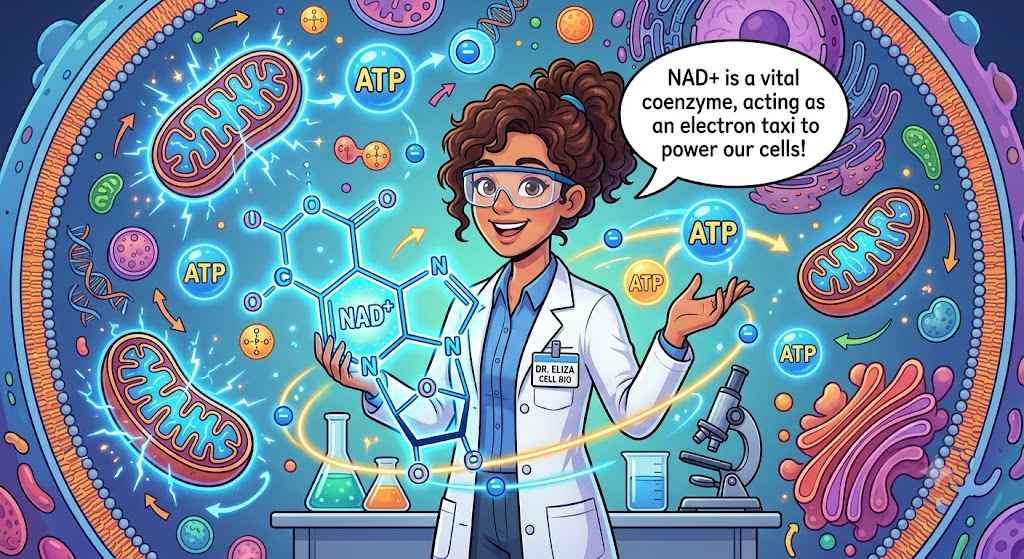
NAD+ (Nicotinamide Adenine Dinucleotide) is a naturally occurring coenzyme found in virtually every cell of the human body. It plays a central role in hundreds of biochemical reactions that help convert food into usable cellular energy.
Without adequate NAD+, cells struggle to produce ATP—the body’s primary energy currency—and many essential cellular processes become less efficient.
NAD+ is especially important for:
- Cellular energy production
- Mitochondrial function
- DNA repair
- Healthy metabolism
- Cell signaling
- Cognitive function
- Healthy aging
- Activation of sirtuins (proteins involved in cellular maintenance)
Although the body naturally produces NAD+, levels gradually decline with age and may also be affected by lifestyle and certain health conditions.
How Does NAD+ Work in the Body?
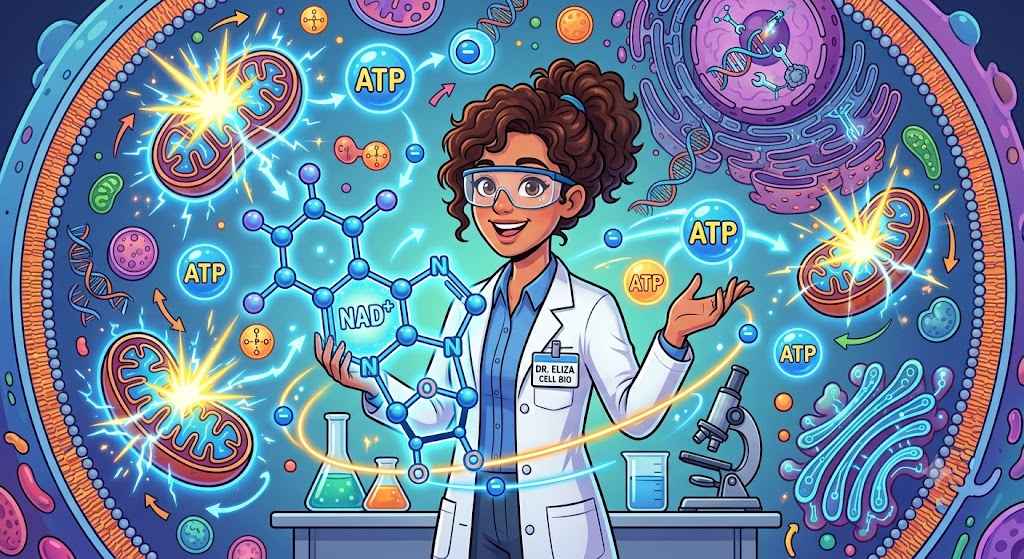
Every second, billions of cellular reactions depend on NAD+.
Inside cells, NAD+ serves as an electron carrier, helping convert nutrients into ATP through mitochondrial respiration. This process powers virtually every organ, including the brain, muscles, heart, and liver.
Beyond energy production, NAD+ also supports enzymes involved in:
- DNA repair after everyday cellular damage
- Cellular stress responses
- Healthy inflammatory regulation
- Metabolic function
- Cellular communication
- Protein maintenance
Researchers continue to investigate whether restoring declining NAD+ levels may help support healthy aging and resilience, though many clinical questions remain under study.
Why Do NAD+ Levels Decline With Age?
Natural NAD+ production gradually decreases over time.
Several factors contribute to lower NAD+ levels, including:
- Aging
- Chronic stress
- Poor sleep quality
- Sedentary lifestyle
- High alcohol intake
- Smoking
- Obesity
- Chronic inflammation
- Oxidative stress
Lower NAD+ availability may reduce the efficiency of cellular energy production and repair processes, which is why scientists are studying strategies to maintain healthy NAD+ levels throughout life. Retatrutide Dosage Guide: Clinical Schedule, Results & Safety
NAD+ Benefits
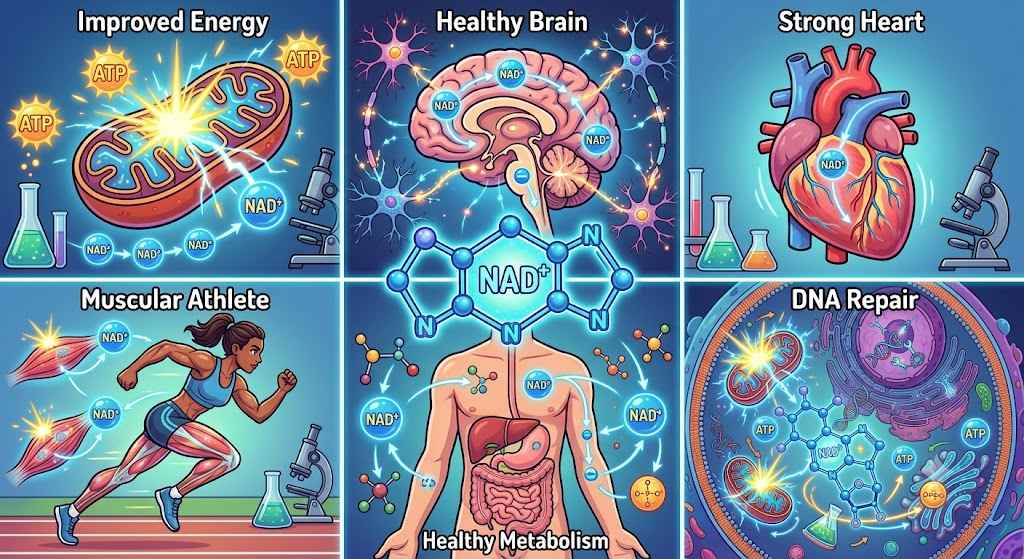
While research is ongoing, maintaining healthy NAD+ levels appears to support several important biological functions.
Increased Cellular Energy
Perhaps the best-known role of NAD+ is helping mitochondria generate ATP.
Healthy NAD+ availability supports efficient energy production, which is why some people report improved energy after NAD+-supporting therapies. Individual responses vary, and more clinical research is needed to determine who benefits most.
Supports Healthy Aging
Aging is associated with declining NAD+ levels.
Researchers are investigating whether supporting NAD+ may help maintain normal cellular function, support DNA repair pathways, and promote healthy aging. At present, evidence for extending human lifespan is not established.
Brain Function and Mental Clarity
The brain consumes a significant amount of the body’s energy.
Because neurons depend heavily on mitochondrial function, scientists are exploring whether NAD+ support may contribute to healthy cognitive function, focus, and resilience during aging. Evidence is still emerging.
DNA Repair
Every day, DNA is exposed to normal wear from metabolism and environmental factors.
NAD+ is required by enzymes such as PARPs that participate in repairing DNA damage, helping preserve cellular integrity.
Exercise Recovery
Exercise temporarily increases metabolic stress.
Researchers are studying whether adequate NAD+ availability may support recovery by assisting cellular energy production and normal repair mechanisms after physical activity.
Supports Healthy Metabolism
NAD+ plays an important role in glucose metabolism, fat metabolism, and mitochondrial efficiency.
Scientists continue to investigate how NAD+ influences metabolic health, particularly in aging populations.
Heart Health
Heart muscle cells require enormous amounts of energy.
Preclinical and early clinical research suggests NAD+-related pathways may contribute to normal cardiovascular function, but larger human studies are needed before firm conclusions can be drawn. Oral Steroids for Beginners: Complete Guide
Healthy Sleep and Mood
Some individuals receiving NAD+-based therapies report improved sleep quality and overall well-being. However, current scientific evidence is insufficient to confirm consistent benefits for sleep disorders or mood conditions.
NAD+ Injection vs IV Therapy vs Oral Supplements
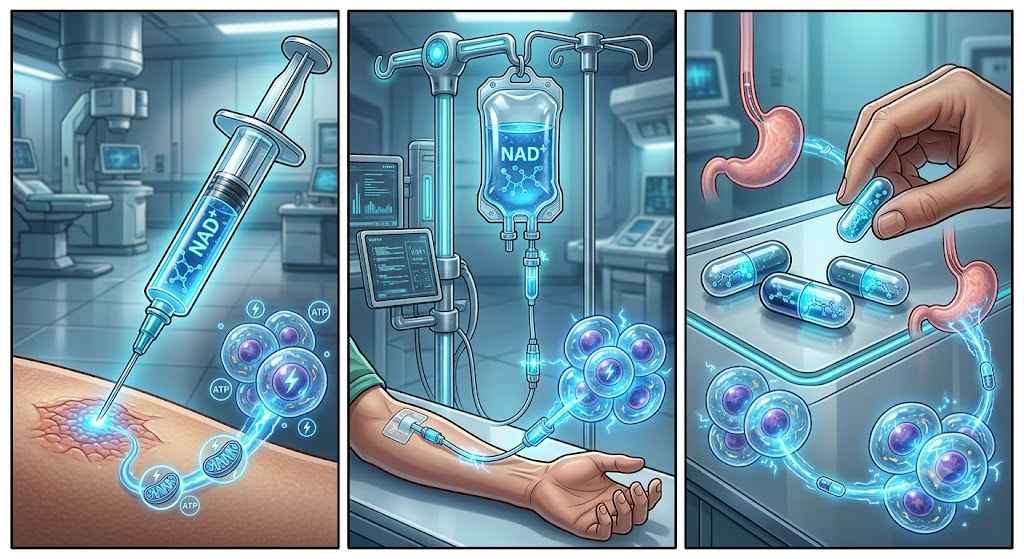
As interest in NAD+ continues to grow, several methods are available to support or increase NAD+ levels. Each option has unique characteristics, costs, convenience, and research backing.
Understanding these differences can help you discuss the most appropriate option with a qualified healthcare professional.
NAD+ Injections
NAD+ injections deliver NAD+ directly into the body through intramuscular (IM) or subcutaneous (SubQ) administration.
Compared to IV therapy, injections are generally quicker to administer and may be more affordable. They have become increasingly popular in wellness clinics and longevity programs.
Potential advantages include:
- Convenient administration
- Shorter treatment sessions
- No prolonged IV infusion
- May support healthy cellular NAD+ levels
Injection-site soreness, redness, or mild swelling can occur temporarily.
NAD+ IV Therapy
NAD+ IV therapy involves slowly infusing NAD+ into the bloodstream over several hours.
This approach is commonly offered at longevity, recovery, and wellness clinics. Because rapid infusion may cause discomfort, healthcare providers typically administer NAD+ at a slower rate.
Potential reasons people seek NAD+ IV therapy include:
- Cellular wellness support
- Recovery after intense physical activity
- Wellness and longevity programs
- General energy support
Current research is still evaluating how IV therapy compares with other delivery methods for long-term outcomes.
Oral NAD+ Supplements
Most oral products do not contain usable NAD+ itself. Instead, they provide compounds that the body can convert into NAD+.
Common ingredients include:
- Nicotinamide Riboside (NR)
- Nicotinamide Mononucleotide (NMN)
- Niacin (Vitamin B3)
- Nicotinamide
These supplements are widely available and are often chosen because they are convenient for daily use. Their effectiveness depends on factors such as the ingredient, formulation, and individual metabolism.
NAD+ Dosage
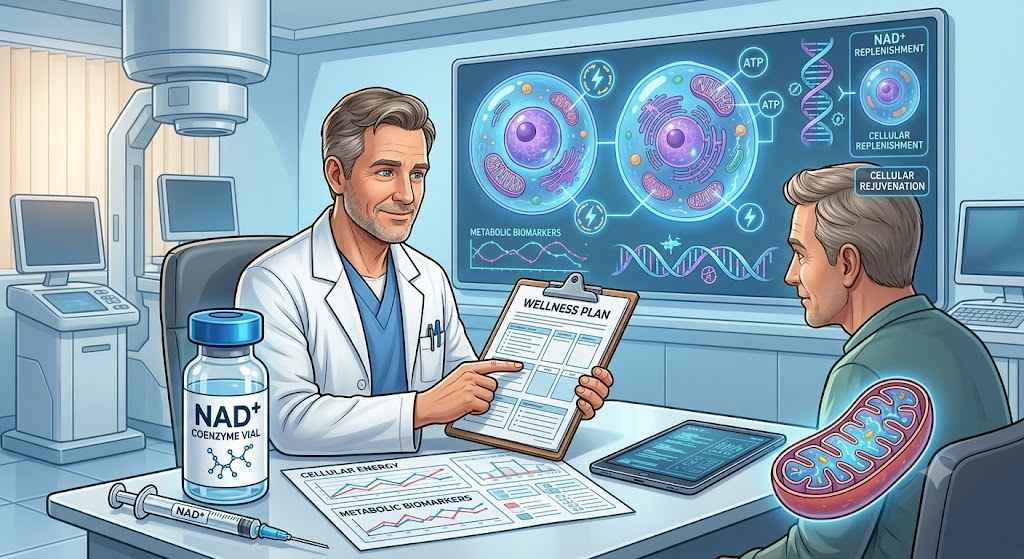
One of the most common questions is:
“What is the ideal NAD+ dosage?”
The answer depends on several factors, including:
- Individual health status
- Age
- Medical history
- Treatment goals
- Route of administration
- Healthcare provider recommendations
Unlike many vitamins, there is no universally accepted standard dosage for NAD+ therapy. Protocols vary between clinics, and research is still evolving. Tesamorelin Dosage for Bodybuilding: Complete Guide
For this reason:
- Never self-administer injectable NAD+ without professional guidance.
- Follow the instructions provided by your healthcare provider.
- Inform your provider about any medications or supplements you are taking.
Because NAD+ products may differ substantially in concentration and formulation, dosing should always be individualized.
Who May Consider NAD+ Therapy?
People often explore NAD+ therapy as part of broader wellness and longevity programs.
Examples include individuals interested in supporting:
- Healthy aging
- Cellular energy production
- Active lifestyles
- Exercise recovery
- Cognitive wellness
- Healthy metabolism
- Overall wellness
However, NAD+ therapy is not a substitute for medical treatment, and current evidence does not support it as a cure for aging or chronic disease.
Potential Side Effects of NAD+
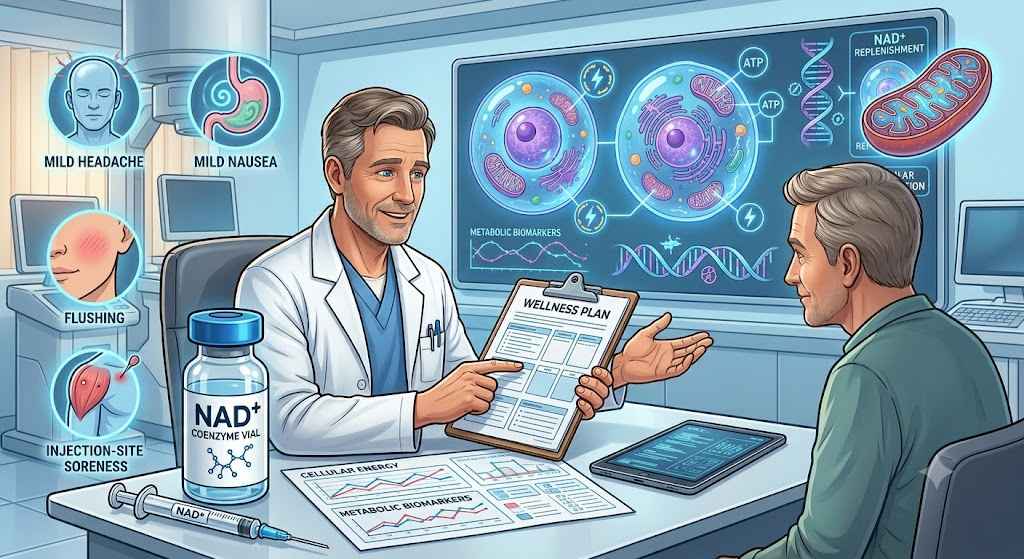
Although many people tolerate NAD+ therapies well, side effects can occur.
Possible side effects include:
- Nausea
- Headache
- Temporary flushing
- Fatigue
- Mild dizziness
- Injection-site discomfort
- Muscle soreness
- Chest tightness during rapid IV infusion
- Temporary stomach discomfort
Most reported effects are mild and short-lived, but anyone experiencing severe or persistent symptoms should seek medical attention.
Who Should Avoid NAD+?
Because research is still developing, NAD+ therapy may not be appropriate for everyone.
Individuals should consult their healthcare provider before using NAD+ if they:
- Are pregnant or breastfeeding
- Have significant liver disease
- Have significant kidney disease
- Have uncontrolled cardiovascular conditions
- Take multiple prescription medications
- Have a history of severe allergic reactions
Medical supervision is particularly important when injectable or IV therapies are involved.
NAD+ Before and After: What Can You Expect?
Many people search online for NAD+ before and after results.
While testimonials often describe increased energy, improved mental clarity, or better recovery, experiences vary widely.
Several factors influence outcomes, including:
- Overall health
- Diet
- Sleep quality
- Exercise habits
- Stress levels
- Existing NAD+ status
- Consistency of treatment
It’s important to remember that anecdotal reports are not the same as scientific proof, and individual results cannot be guaranteed.
NAD+ vs NMN
Although the two are closely related, they are not the same.
| NAD+ | NMN |
|---|---|
| Active coenzyme | NAD+ precursor |
| Naturally present in cells | Converted into NAD+ inside the body |
| Commonly administered by injection or IV | Typically taken as an oral supplement |
| Larger molecule | Smaller precursor molecule |
| Used directly in cellular reactions | Helps replenish cellular NAD+ levels |
NMN has gained popularity because it may help increase NAD+ levels after being converted within the body, although research is ongoing.
NAD+ vs NR
NR (Nicotinamide Riboside) is another precursor used to support NAD+ production.
| NAD+ | NR |
|---|---|
| Active coenzyme | Vitamin B3 derivative |
| Participates directly in cellular metabolism | Converted into NAD+ by the body |
| Commonly delivered via injection or IV | Commonly available as oral capsules |
| Larger molecule | Smaller precursor molecule |
Both NMN and NR continue to be studied for their ability to support healthy NAD+ levels, but scientists are still evaluating their long-term effects in different populations.
Frequently Asked Questions About NAD+
Is NAD+ safe?
NAD+ therapy is generally well tolerated when administered under the supervision of a qualified healthcare professional. As with any wellness therapy, individual responses vary, and mild side effects such as headache, nausea, or injection-site discomfort may occur.
Does NAD+ really increase energy?
NAD+ is essential for cellular energy production because it helps cells generate ATP. Some people report feeling more energetic after NAD+ therapy, but results vary, and more clinical research is needed to determine its effectiveness for improving energy in different populations.
Can NAD+ slow aging?
NAD+ supports biological processes involved in healthy aging, including DNA repair and mitochondrial function. However, there is currently no scientific evidence proving that NAD+ therapy can stop or reverse human aging.
How long does it take to notice results from NAD+?
Experiences differ from person to person. Some individuals report feeling changes within days, while others may notice gradual effects over several weeks. Lifestyle factors such as sleep, nutrition, exercise, and overall health can also influence perceived outcomes.
Is NAD+ better than NMN?
Neither is universally “better.” NAD+ is the active coenzyme used directly by cells, while NMN is a precursor that the body converts into NAD+. The most appropriate option depends on individual circumstances and guidance from a healthcare professional.
Is NAD+ better than NR?
Both NAD+ and Nicotinamide Riboside (NR) are being studied for supporting healthy NAD+ levels. NR is an oral precursor, whereas NAD+ therapy is commonly delivered through injections or IV infusions. More research is needed to compare long-term outcomes.
Can athletes use NAD+?
Some athletes explore NAD+ therapy as part of recovery and wellness programs because of its role in cellular energy metabolism. However, evidence supporting performance enhancement is limited, and athletes should always follow the rules of their sport and consult qualified professionals.
Can NAD+ help with brain function?
Researchers are investigating whether maintaining healthy NAD+ levels may support normal cognitive function and brain health. While early findings are promising, larger human studies are still needed.
Does NAD+ help with weight loss?
NAD+ is involved in metabolism, but it should not be considered a weight-loss treatment. Sustainable weight management depends on a balanced diet, regular physical activity, adequate sleep, and other lifestyle factors.
Can I take NAD+ every day?
The appropriate schedule depends on the specific product, route of administration, and individual health needs. Always follow the advice of a qualified healthcare provider rather than self-prescribing.
Is NAD+ legal?
In many countries, NAD+ products are legally available, but regulations differ depending on whether the product is marketed as a dietary supplement, injectable product, or medical therapy. Check your local regulations and consult a healthcare professional before use. Side Effects of Anabolic Steroids in Bodybuilding
Does NAD+ replace a healthy lifestyle?
No. NAD+ should be viewed, at most, as a potential complement to healthy habits—not a replacement. A nutritious diet, regular exercise, quality sleep, and stress management remain the foundation of long-term health.
Final Verdict
NAD+ has emerged as one of the most widely discussed molecules in longevity and cellular health research. Its essential role in energy production, mitochondrial function, DNA repair, and healthy metabolism makes it an exciting area of scientific investigation.
Although many people report positive experiences with NAD+ injections, IV therapy, or precursor supplements, research is still evolving. Current evidence supports NAD+’s importance in normal cellular function, but many claims regarding anti-aging, cognitive enhancement, or disease prevention require further high-quality clinical studies.
If you are considering NAD+ therapy, consult a qualified healthcare professional to determine whether it is appropriate for your individual health goals and medical history.
Contact Gym Pundit on WhatsApp
Have Questions About NAD+?
If you’d like to learn more about NAD+, peptides, SARMs, or fitness education, the Gym Pundit team is here to help.
WhatsApp Direct Chat:
Our team can help you with:
- Educational information about peptides and wellness compounds
- General fitness and bodybuilding guidance
- Training and nutrition resources
- Answers to common questions about supplements and performance-enhancing compounds
Conclusion
NAD+ continues to attract attention from researchers, clinicians, and health enthusiasts because of its central role in cellular function. While interest in NAD+ therapy is growing rapidly, it’s important to approach it with realistic expectations and an evidence-based mindset.
Whether your goal is to learn about healthy aging, understand cellular energy, or explore the science behind longevity, staying informed through reliable research is the best way to make educated decisions about your health.


[…] Protein powder can be convenient, but it is not fundamentally different from obtaining protein through food. NAD+: Benefits, Uses, Side Effects, & Complete Guide […]
[…] A small number of users have reported mild headaches during the initial stages of use. While the exact mechanism remains unclear, staying hydrated and following recommended dosing guidelines may help reduce the likelihood of this effect. NAD+: Benefits, Uses, Side Effects, & Complete Guide […]
[…] Maintaining proper sterile technique and rotating injection sites may help reduce localized irritation. NAD+: Benefits, Uses, Side Effects, & Complete Guide […]
[…] The biggest advantage of PT-141 peptide is that it targets the neurological pathways responsible for sexual desire rather than simply improving circulation. This unique mechanism makes it different from many traditional sexual health medications and has led to growing interest in both clinical practice and research. NAD+: Benefits, Uses, Side Effects, & Complete Guide […]