When bodybuilders start cutting, the goal is simple: lose body fat, maintain as much muscle as possible, and achieve a leaner physique without sacrificing strength. That’s why Cutting Cycles with SARMs has become a popular search topic among people researching performance-enhancing compounds.
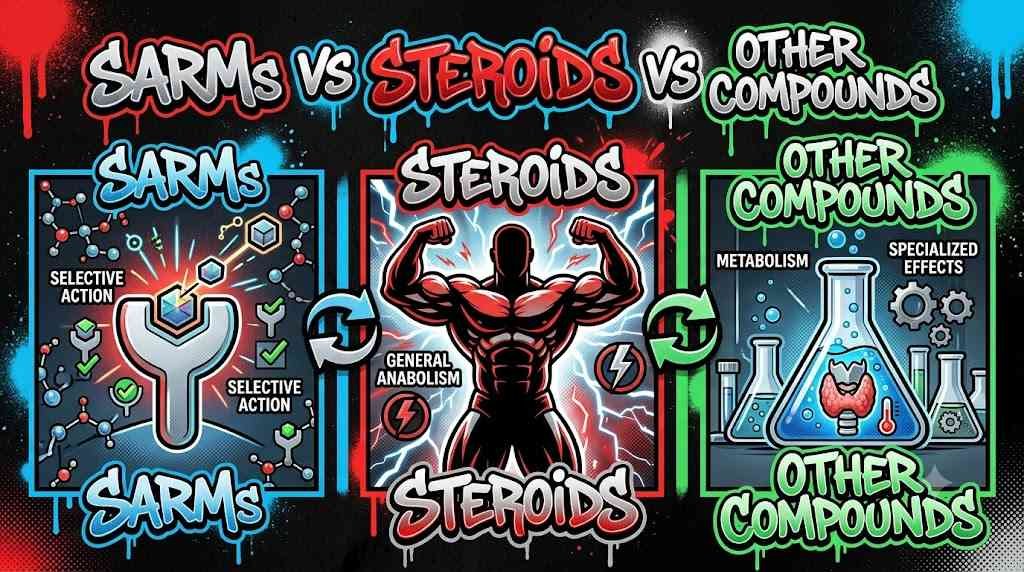
SARMs stands for Selective Androgen Receptor Modulators. These compounds are often discussed as alternatives to traditional anabolic steroids because of their proposed effects on androgen receptors. However, the reality is more complicated. Many compounds sold in the bodybuilding market have limited human safety data, and some products marketed alongside SARMs are actually stimulants, thyroid medications, or anabolic steroids.
In this guide, we’ll examine four source-listed cutting combinations, the compounds involved, their stated durations, the differences between SARMs and steroids, the risks of combining multiple substances, and what bodybuilders should understand about recovery and post-cycle therapy (PCT).
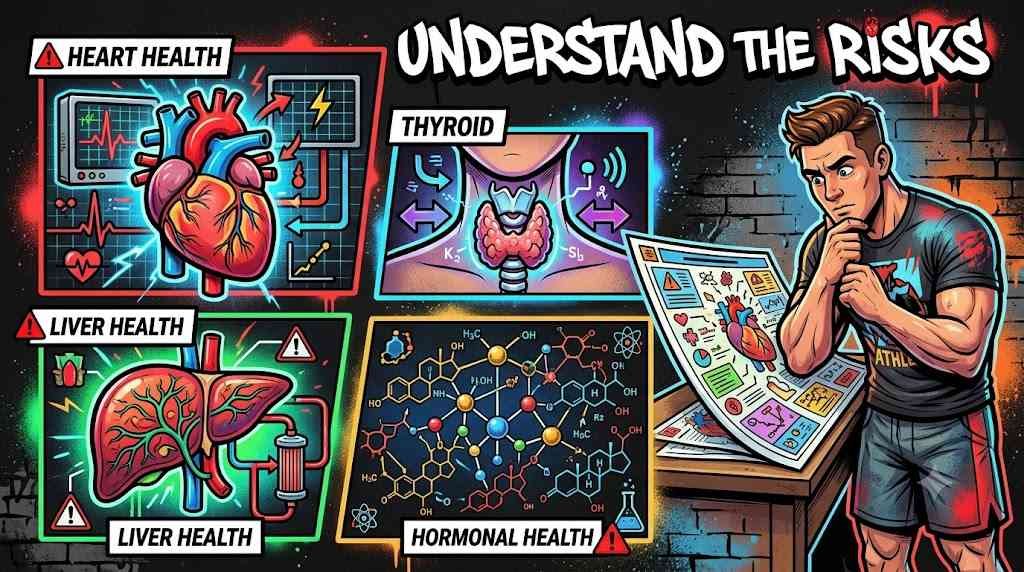
Important: The combinations discussed here are for educational analysis, not recommended cutting protocols. They contain substances with potentially serious cardiovascular, hormonal, liver, and other health risks. The source information should not be treated as medically validated dosing guidance. Cutting Cycle for Beginners: Compounds, Risks & Fat Loss
What Are Cutting Cycles with SARMs?
Cutting Cycles with SARMs refers to the use of compounds marketed as SARMs or other performance-enhancing substances during a fat-loss phase.
The intended goal is usually to maintain muscle while reducing body fat. Some users also seek improved training performance, endurance, or muscle definition.
However, three different goals are often mixed together:
- Fat loss: Reducing body fat through a sustained calorie deficit.
- Muscle retention: Maintaining resistance training, adequate protein intake, and recovery while dieting.
- Performance enhancement: Using drugs or experimental compounds in an attempt to change strength, body composition, or exercise capacity.
These goals are not the same. A substance that affects androgen signaling does not automatically burn fat, and a stimulant that changes energy expenditure does not guarantee muscle retention.
A successful cutting phase still depends heavily on nutrition, resistance training, sleep, and consistency.
Cutting Cycles with SARMs: Understanding the Four Source-Listed Plans
The four supplied plans contain different combinations of products. Some products appear in multiple plans, while others are added in later combinations.
Because the source tables contain ambiguous dose-to-product assignments and include potentially dangerous combinations, the following tables summarize the products and their stated durations without turning them into ready-to-follow drug schedules.
Cycle 1: Initial Cutting Combination
| CLEN-40 T3-MAX ANAVAR Cardarine | 40mcg ED 80mcg ED 25mcg ED 50mg ED 10mg ED | 4 weeks 4 weeks 4 weeks 12 weeks 8 weeks |
The first source-listed combination includes CLEN-40, T3-MAX, ANAVAR, and Cardarine.
This combination brings together substances that affect different physiological systems.
Clenbuterol is a stimulant with effects on beta-adrenergic receptors. T3 products affect thyroid-hormone activity. Oxandrolone is an anabolic steroid, while Cardarine is not a SARM despite often being marketed alongside SARMs.
Combining these substances does not automatically produce better fat loss. Instead, it can make adverse effects more difficult to identify and manage.
Cycle 2: Expanded Cutting Combination
The second source-listed plan adds STANOZOL-10 and SR-9009 to the products appearing in the earlier plan.
| CLEN-40 T3-MAX STANOZOL-10 ANAVAR Cardarine SR-9009 | 40mcg ED 80mcg ED 25mcg ED 50mgED 50mg ED 10mg ED 20mg ED | 4 weeks 4 weeks 4 weeks 12 weeks 12 weeks 8 weeks 8 weeks |
Adding more compounds increases the complexity of assessing side effects and interactions.
Stanozolol and oxandrolone are anabolic steroids, not SARMs. Both can negatively affect cholesterol, and oral formulations can pose liver-related risks. The risk profile depends on the product, exposure, individual health, and other substances used.
SR-9009 is an experimental compound without established safety and effectiveness for bodybuilding use in humans. Claims about its ability to transform fat loss or endurance should not be confused with proven clinical outcomes.
Cycle 3: Multi-Compound Cutting Combination
| CLEN-40 T3-MAX STANOZOL-10 ANAVAR PROPIONE-T100 Cardarine SR-9009 | 40mcg ED 80mcg ED 25mcg ED 50mg ED 50mg ED 300mg EW 20mg ED 30mg ED | 4 weeks 4 weeks 4 weeks 12 weeks 12 weeks 12 weeks 8 weeks 8 weeks |
The third plan introduces PROPIONE-T100 alongside the products listed in the preceding combinations.
Adding testosterone changes the hormonal implications of the combination.
Exogenous testosterone can suppress the body’s natural testosterone production. Depending on exposure and individual response, it can also affect fertility, blood pressure, red blood cell levels, acne, hair loss, and cholesterol.
The product name alone is not sufficient to verify the formulation or concentration. Product identity and labeling should be confirmed rather than assumed.
Cycle 4: Expanded Multi-Compound Combination
The fourth plan adds MASTERON-E100 and YK-11 to the source-listed combination.
| CLEN-40 T3-MAX STANOZOL-10 ANAVAR PROPIONE-T100 MASTERON-E100 Cardarine SR-9009 YK-11 | 40mcg ED 80mcg ED 25mcg ED 50mg ED 50mg ED 300mg EW 300mg EW 20mg ED 30mg ED 10mg ED | 4 weeks 4 weeks 8 weeks 12 weeks 12 weeks 12 weeks 12 weeks 8 weeks 8 weeks 8 weeks |
This plan contains a particularly complex mixture of hormonal agents, a stimulant, thyroid medication, and experimental compounds.
A longer product list does not necessarily mean greater fat loss or better muscle retention. It can increase the number of potential interactions, make adverse reactions harder to attribute to a specific substance, and complicate recovery after discontinuation.
YK-11 is frequently marketed as a myostatin-related muscle-building compound. However, robust human clinical evidence establishing its effectiveness, safe exposure, or long-term safety is lacking. Retain Muscle During PCT: Keep Your Gains After a Cycle
For these reasons, this combination should not be presented as a beginner-friendly cutting plan.
Are All the Products in These Cutting Cycles SARMs?
No. This distinction is important for anyone researching Cutting Cycles with SARMs.
| Product | What it is | Key concern |
|---|---|---|
| Cardarine | PPAR-delta agonist, not a SARM | Experimental; long-term human safety is not established |
| SR-9009 | Experimental research compound | Limited evidence of safety and effectiveness in humans |
| YK-11 | Experimental compound marketed as a SARM | Insufficient human safety data |
| ANAVAR | Oxandrolone, an anabolic steroid | Hormonal suppression, lipid changes, liver-related risks |
| STANOZOL-10 | Stanozolol product | Lipid changes and potential liver toxicity |
| PROPIONE-T100 | Product marketed as testosterone | Hormonal suppression and other androgen-related risks |
| MASTERON-E100 | Product marketed as drostanolone | Androgenic effects and hormonal suppression |
| CLEN-40 | Clenbuterol product | Cardiovascular stimulation and electrolyte disturbances |
| T3-MAX | Thyroid-hormone product | Thyroid dysfunction and cardiovascular risks |
The takeaway is straightforward: a product being sold on a SARM website does not make it a SARM, and being described as a research chemical does not mean it is safe for human consumption.
Cutting Cycles with SARMs: Why Bodybuilders Research Cutting Cycles with SARMs
The interest generally comes from the desire to preserve muscle while losing fat.
During a calorie deficit, the body has less energy available. If the deficit is too aggressive, protein intake is insufficient, or training and recovery are poorly managed, muscle loss can occur alongside fat loss.
This is why people research compounds claimed to support lean mass, strength, or endurance during cutting.
But marketing claims often run ahead of the evidence. There is no reliable basis for assuming that stacking several experimental compounds will preserve more muscle than a well-designed training and nutrition plan.
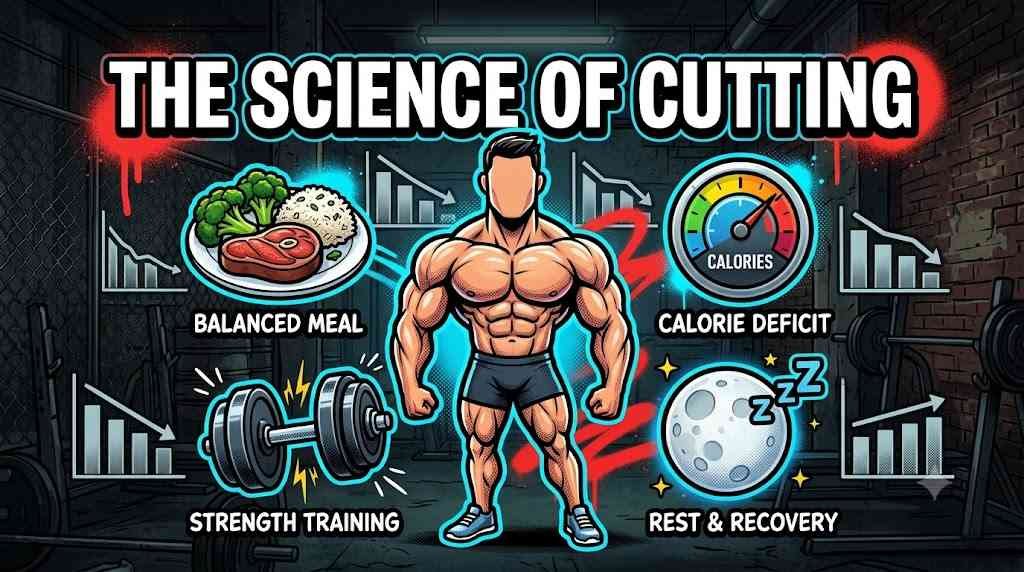
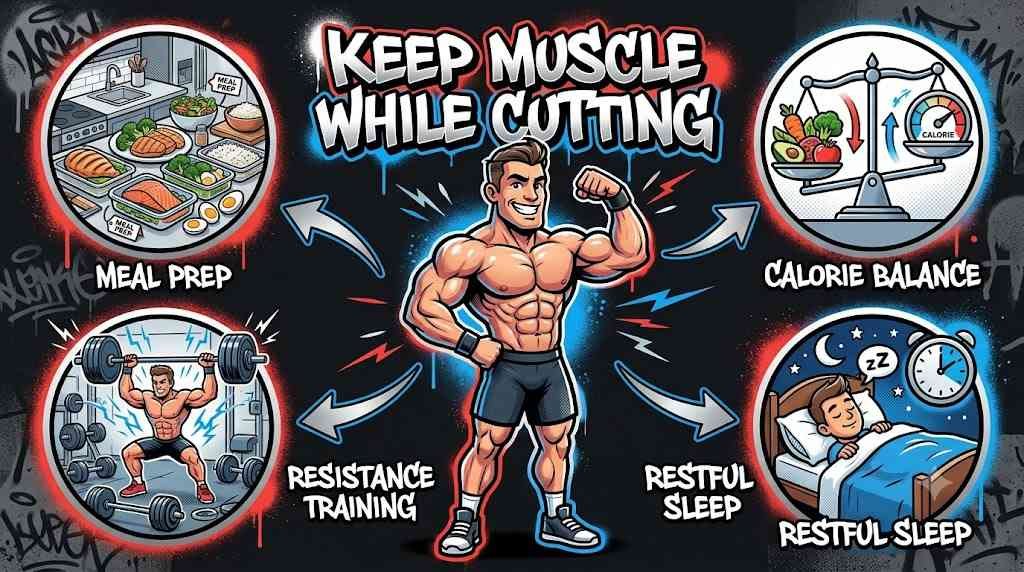
For most recreational bodybuilders, the fundamentals offer a more predictable starting point:
- Maintain a moderate calorie deficit.
- Consume sufficient protein.
- Continue resistance training with appropriate recovery.
- Keep daily activity consistent.
- Get adequate sleep.
- Track body weight, waist measurements, strength, and recovery.
Cutting Cycles with SARMs: What Should Bodybuilders Understand?
The supplied source table lists no specified cycle-support product for Cycles 1 and 2 and lists tamoxifen citrate for Cycles 3 and 4.
Tamoxifen is a prescription selective estrogen receptor modulator. It is used for specific medical indications and is not a universal supplement or automatic solution for every adverse effect associated with anabolic drugs.
Its suitability depends on the clinical situation. It also carries potential risks, including blood clots and visual disturbances.
Bodybuilders should not assume that adding tamoxifen makes a multi-drug combination safe. It does not prevent every cardiovascular, liver, lipid, or hormonal complication.
If symptoms develop during or after the use of performance-enhancing substances, a clinician can assess the actual problem rather than relying on a generic cycle-support list. Gaining Cycle with Peptides: Muscle Growth, Uses and Risks
PCT After Cutting Cycles with SARMs
Post-cycle therapy, commonly called PCT, is discussed in bodybuilding communities as a way to manage hormonal recovery after stopping certain performance-enhancing drugs.
The supplied source table lists no specified PCT product for Cycles 1 and 2 and lists tamoxifen citrate for Cycle 3. The Cycle 4 source table includes tamoxifen citrate and clomifene, but does not specify a clomifene dose or duration.
These source entries should not be interpreted as a treatment recommendation.
What can happen after stopping anabolic steroids?
Recovery varies. Some people experience a period of low testosterone production, reduced libido, fatigue, mood changes, reduced training performance, or fertility problems.
Recovery depends on factors such as the substances used, duration of exposure, individual physiology, and previous drug use. It is not possible to guarantee a particular recovery timeline.
Is PCT always necessary after SARMs?
There is no universal answer. SARMs differ in their pharmacology, products may be mislabeled or contaminated, and human evidence about hormonal recovery is limited for many compounds.
Anyone experiencing symptoms after stopping performance-enhancing drugs should seek medical evaluation. A clinician may assess symptoms and order appropriate testing, potentially including testosterone, LH, FSH, liver markers, a lipid profile, and other investigations based on the substances involved.
Tamoxifen and clomifene should not be self-prescribed or combined based on an online cycle chart.
Safer Ways to Preserve Muscle During a Cutting Phase
If the main goal is to get leaner while maintaining muscle, there are several evidence-based steps worth prioritizing.
1. Use a moderate calorie deficit
A very aggressive deficit can impair training performance and increase the likelihood of losing lean tissue. A moderate approach is usually easier to sustain.
2. Keep protein intake adequate
Protein provides the amino acids needed for muscle repair and maintenance. Include protein-rich foods such as eggs, dairy, chicken, fish, soy, beans, or other suitable sources.
3. Continue resistance training
Keep training consistently and use performance, recovery, and technique to guide adjustments. There is no need to increase training volume dramatically simply because calories are lower.
4. Protect sleep and recovery
Poor sleep can negatively affect appetite regulation, mood, recovery, and training quality. Consistent sleep is an important part of a successful cutting phase.
5. Monitor progress beyond the scale
Body weight fluctuates because of water, glycogen, and food volume. Waist measurements, progress photographs, gym performance, and longer-term weight trends provide a more useful picture.
Frequently Asked Questions
1. What are Cutting Cycles with SARMs?
The term refers to the use of SARMs or compounds marketed alongside them during a fat-loss phase. The intended goal is often to maintain lean mass while reducing body fat, but effectiveness and safety depend on the specific substance, and many marketed compounds lack adequate human evidence.
2. Are all compounds in these four cycles SARMs?
No. The supplied plans include anabolic steroids, clenbuterol, thyroid medication, and experimental research compounds. Cardarine, in particular, is a PPAR-delta agonist rather than a SARM.
3. Can SARMs help preserve muscle while cutting?
Some compounds have shown biological effects in research, but that does not establish that unapproved SARMs reliably preserve muscle or are safe during a calorie deficit. Human evidence and long-term safety data are limited for many products.
4. Are clenbuterol and T3 SARMs?
No. Clenbuterol is a stimulant that acts on beta-adrenergic receptors, while T3 is a thyroid hormone. Neither is a SARM, and misuse can cause serious cardiovascular or metabolic complications. Gaining Cycles with SARMs: Compounds, Risks, and Recovery
5. Does adding more compounds improve cutting results?
Not necessarily. More compounds can increase interactions and adverse effects without providing proven additional fat loss. Combining multiple substances can also make it harder to identify the cause of a health problem.
6. Is PCT required after every SARM cycle?
There is no universal PCT protocol that applies to every compound or person. Hormonal effects vary, and prescription medications should be used only when medically indicated and under professional supervision.
7. What blood tests may be relevant after performance-enhancing drug use?
Depending on the substances used and symptoms, a clinician may consider a complete blood count, liver enzymes, lipid profile, blood pressure assessment, testosterone, LH, FSH, and other targeted investigations. Testing should be interpreted in context rather than used as a blanket clearance for continued drug use.
8. Can beginners use these four cutting combinations?
These combinations should not be promoted as beginner protocols. They contain multiple substances with significant potential risks and uncertain interactions. Beginners are better served by establishing a sustainable calorie deficit, consistent resistance training, adequate protein, and good recovery habits.
Need Help Understanding Bodybuilding Health and Recovery?
If you’re researching cutting, muscle retention, hormonal health, or recovery, focus on understanding the risks and making informed decisions rather than blindly copying an online drug combination.
For general Gym Pundit enquiries, you can contact us on WhatsApp:
WhatsApp: +91 76965 93279
Chat with Gym Pundit on WhatsApp
For symptoms that may be related to anabolic steroids, stimulants, thyroid medication, or other performance-enhancing substances, speak with a qualified healthcare professional. Seek urgent care for chest pain, fainting, severe shortness of breath, or a persistently rapid or irregular heartbeat.
Final Thoughts
Cutting Cycles with SARMs attract attention because bodybuilders want to lose fat without losing the muscle they have worked hard to build. However, the products discussed under this label are not all SARMs, and several have significant safety concerns or inadequate human evidence.
The four source-listed combinations illustrate why it is important to distinguish marketing claims from established evidence. Stacking more compounds does not guarantee a better physique, and cycle-support or PCT medication does not eliminate the risks.
For sustainable cutting, a controlled calorie deficit, adequate protein, resistance training, sleep, and consistent progress tracking remain the most dependable foundations. If performance-enhancing drugs have already been used, medical assessment is a safer route than relying on generic cycle charts or self-prescribed recovery medication.