
When comparing Anadrol vs Superdrol, bodybuilders usually want to know which compound produces greater strength gains, which adds more muscle size, and which causes more water retention. Both are potent oral anabolic-androgenic steroids, but their effects, evidence base, and potential health risks are not identical.
Anadrol is the brand name commonly associated with oxymetholone, a steroid that has legitimate medical uses in specific circumstances. Superdrol is the popular name for methasterone, a designer anabolic steroid associated with serious adverse effects, including liver injury.
Although both compounds are discussed in bodybuilding circles as rapid muscle-building agents, there is limited reliable head-to-head research comparing their results in healthy athletes. This means claims that one is definitively stronger, produces more lean muscle, or is safer than the other should be treated cautiously.
In this guide, we will compare Anadrol vs Superdrol across strength, muscle size, water retention, liver toxicity, cholesterol, blood pressure, hormonal suppression, and long-term health risks. Cutting Cycle With Peptides: 4 Cycles, PCT & Risks
Anadrol vs Superdrol: Quick Comparison Chart
| Feature | Anadrol | Superdrol |
|---|---|---|
| Active compound | Oxymetholone | Methasterone |
| Classification | Oral anabolic-androgenic steroid | Oral designer anabolic steroid |
| Medical history | Has established medical uses | Not an approved medicine for bodybuilding |
| Strength potential | Considered potent; athletic results vary | Considered potent; reliable comparative data are limited |
| Muscle size | Can increase body weight and muscle mass | Marketed for rapid size and strength gains |
| Water retention | Fluid retention can be significant | Individual effects are variable; less predictable |
| Liver risk | Potentially serious liver toxicity | Serious liver injury has been documented |
| Cholesterol | Can adversely affect lipid levels | Can adversely affect lipid levels |
| Blood pressure | Fluid retention may contribute to increased blood pressure | Cardiovascular risks remain a concern |
| Natural testosterone | Can suppress normal hormonal function | Can suppress normal hormonal function |
| Head-to-head research | Insufficient for a reliable ranking | Insufficient for a reliable ranking |
Important: This table describes general characteristics, not guaranteed outcomes. There is no dependable clinical evidence establishing a universal winner for strength, muscle growth, or overall safety. Both compounds can cause serious harm.
What Is Anadrol?
Anadrol is the commonly used name for oxymetholone, an oral anabolic-androgenic steroid that has been prescribed for certain medical conditions, including specific forms of anemia.
In bodybuilding discussions, Anadrol is often associated with increases in body weight, training strength, and muscular fullness. However, changes on the scale do not necessarily represent newly developed contractile muscle tissue.
Some of the increase in body weight may be related to fluid retention, glycogen storage, and other changes in the body. The exact contribution of each factor varies between individuals.
Oxymetholone also has a substantial potential for adverse effects. Its medical history does not mean that nonmedical bodybuilding use is safe, particularly without appropriate medical supervision.
What Bodybuilders Commonly Associate With Anadrol
- Increases in body weight and muscular fullness.
- Potential improvements in strength and training performance.
- Fluid retention that can change appearance and scale weight.
- Adverse changes in cholesterol and other cardiovascular risk markers.
- Potentially serious liver injury.
The medical literature recognizes oxymetholone as a potentially hepatotoxic oral anabolic steroid. See the NIH LiverTox review of androgenic steroids.
What Is Superdrol?
Superdrol is the name commonly used for methasterone, a designer anabolic-androgenic steroid that became popular in bodybuilding and performance-enhancement circles.
It has been marketed in the past through products described as prohormones or muscle-building supplements. Such marketing terminology does not establish that a product is safe, legally compliant, or free from undeclared substances.
Superdrol is particularly concerning because published medical case reports have documented severe cholestatic liver injury following its use. Cholestasis occurs when the normal flow of bile is impaired, potentially resulting in jaundice, itching, dark urine, and prolonged illness.
What Bodybuilders Commonly Associate With Superdrol
- Rapid increases in strength and body weight.
- A reputation for substantial muscular gains.
- Less predictable real-world outcomes than marketing claims suggest.
- Potentially severe liver toxicity.
- Possible adverse effects on cholesterol, blood pressure, and natural hormone production.
These reported bodybuilding effects should not be confused with strong clinical evidence demonstrating the compound’s benefits or establishing its safety.
The NIH LiverTox reference discusses published cases of serious liver injury associated with products containing methasterone.
Anadrol vs Superdrol for Strength Gains
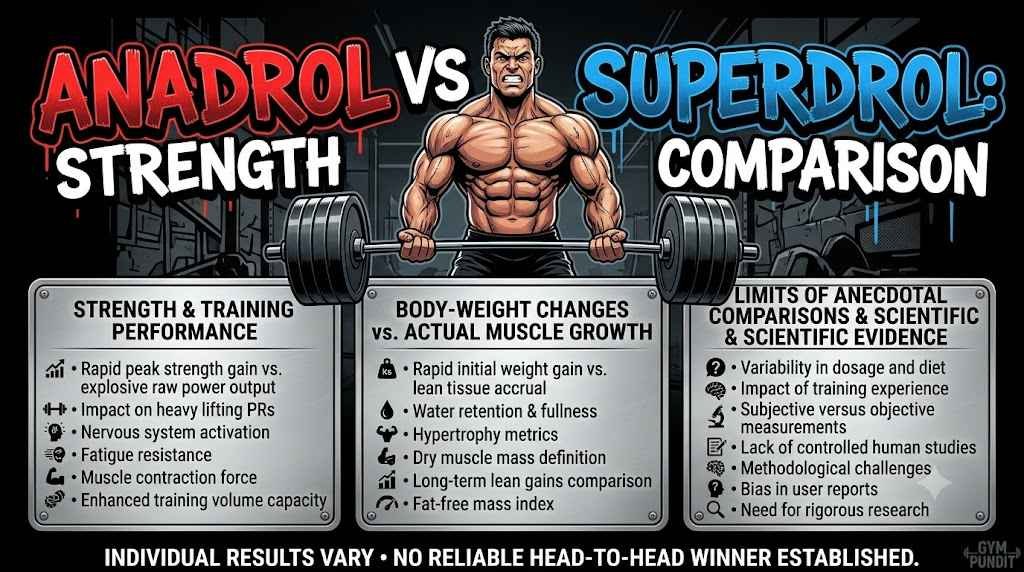
Strength is one of the main reasons people compare Anadrol vs Superdrol. Both compounds have reputations for producing noticeable changes in training performance, but anecdotal reports cannot establish which one delivers greater results.
Strength depends on several factors, including muscle size, neural adaptations, technique, recovery, nutrition, training experience, and body weight.
A lifter who gains weight rapidly may see an improvement in certain lifts without experiencing a proportional increase in actual muscle tissue. Changes in leverage and training confidence can also influence performance. Cutting Cycles with SARMs: 4 Plans, Risks, Support & PCT
| Strength-related factor | Anadrol | Superdrol |
|---|---|---|
| Reputation in bodybuilding | Associated with rapid strength improvements | Associated with substantial strength improvements |
| Reliable head-to-head trials | Not sufficient to establish superiority | Not sufficient to establish superiority |
| Influence of body-weight changes | May be substantial | May vary between individuals |
| Safety considerations | Liver, lipid, fluid-retention, and cardiovascular concerns | Liver, lipid, hormonal, and cardiovascular concerns |
Which is better for strength?
There is not enough high-quality comparative evidence to declare either compound the winner. Online reports may describe impressive results, but they cannot reliably predict individual outcomes or establish that the benefits outweigh the risks.
Anadrol vs Superdrol for Muscle Size
Another common question is which compound produces greater muscle growth.
An increase in body weight is not the same as an increase in permanent muscle tissue. Body composition changes can involve several different components:
- Contractile muscle tissue.
- Muscle glycogen and associated water.
- Extracellular fluid retention.
- Body fat changes.
- Other changes in hydration and energy balance.
Anadrol is associated with pronounced increases in body weight and muscular fullness, partly because fluid retention can contribute to the overall appearance.
Superdrol is also associated with reports of rapid muscular gains, but the available evidence does not support a reliable quantitative comparison of muscle tissue gained from the two compounds.
Why Scale Weight Can Be Misleading
Imagine two athletes each gaining several kilograms over a short period. Their scale readings alone cannot tell us how much of that change represents new muscle tissue, stored glycogen, or retained fluid.
A better assessment of progress includes consistent body-weight measurements, waist circumference, standardized photographs, training performance, and—where appropriate—body-composition measurements.
Bottom line: Neither compound can be reliably declared superior for lasting muscle growth based on anecdotal comparisons alone.
Anadrol vs Superdrol: Water Retention
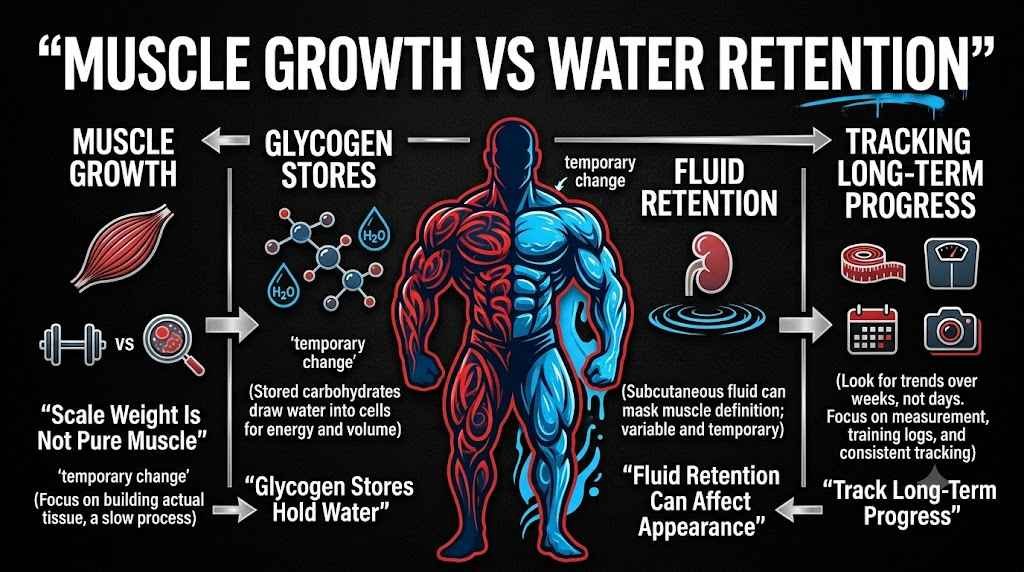
Water retention is an important distinction because it can affect body weight, muscular appearance, and blood pressure.
Anadrol and Water Retention
Anadrol is commonly associated with fluid retention. Some users may notice a fuller appearance and rapid increases in scale weight, while others experience more troublesome swelling or changes in blood pressure.
Fluid retention is not automatically evidence of greater muscle growth. Significant or unexplained swelling can also be a sign of a medical problem that needs evaluation.
Superdrol and Water Retention
Superdrol is often discussed as producing a different appearance from compounds associated with pronounced fluid retention. However, individual reports are not a reliable way to establish how much water a person will retain.
The absence of obvious swelling does not mean that a compound is safe. Liver injury, adverse lipid changes, hormonal suppression, and cardiovascular problems may develop without dramatic visible symptoms.
| Water-retention question | Anadrol | Superdrol |
|---|---|---|
| Can body weight rise quickly? | Yes | Reported by users |
| Can appearance change? | Yes | Yes |
| Does scale weight prove muscle gain? | No | No |
| Can visible appearance predict safety? | No | No |
Fluid retention accompanied by breathlessness, chest pain, or severe swelling requires urgent medical assessment.
Anadrol vs Superdrol: Liver Toxicity
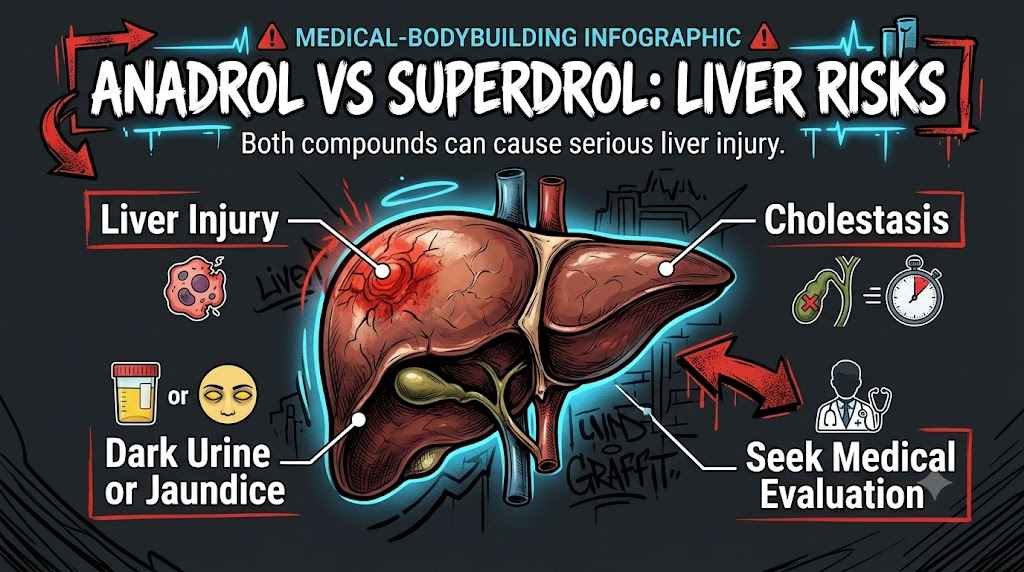
Liver toxicity is one of the most important parts of this comparison.
Both compounds are orally active anabolic steroids associated with potential liver injury. Their chemical characteristics make the liver an important concern, and neither should be considered harmless simply because it is taken orally.
Anadrol and Liver Health
Oxymetholone has been associated with several forms of liver injury, including cholestasis. Longer-term exposure to certain anabolic steroids has also been associated with more serious liver complications.
Prescription use for a medical condition requires clinical oversight. That is very different from taking the compound for bodybuilding without a medical indication.
Superdrol and Liver Health
Published reports describe cases of severe cholestatic injury following methasterone exposure. Some patients have developed marked jaundice, itching, and prolonged recovery.
These cases do not establish the precise probability of injury in every user, but they demonstrate that serious harm is possible.
The FDA’s review of bodybuilding products containing steroid or steroid-like substances also documents serious liver injuries associated with such products.
Symptoms That Should Not Be Ignored
Seek prompt medical evaluation for yellowing of the eyes or skin, dark urine, pale stools, persistent itching, unusual nausea, or unexplained abdominal discomfort. Severe symptoms warrant urgent care.
Routine bloodwork can help clinicians assess liver health, but normal results at one point in time do not guarantee that future injury will not occur.
Anadrol vs Superdrol: Cholesterol and Cardiovascular Risks
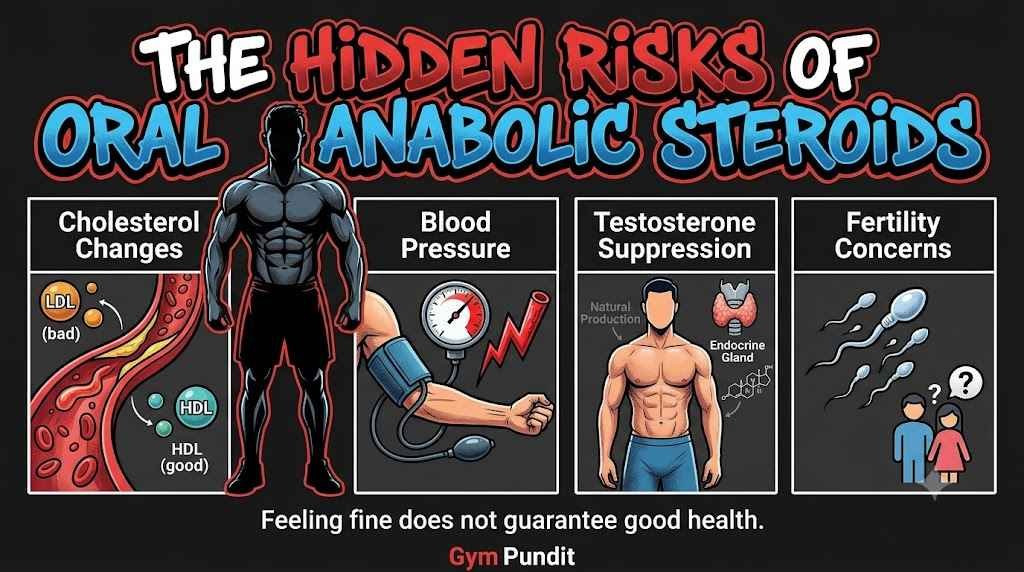
Liver health is not the only concern. Anabolic-androgenic steroids can also adversely affect cardiovascular risk factors.
Potential problems include:
- Reduced HDL cholesterol, sometimes called good cholesterol.
- Increased LDL cholesterol.
- Elevated blood pressure.
- Changes in fluid balance.
- Increased cardiovascular strain.
- Potential adverse effects on heart structure and function with anabolic steroid misuse.
Anadrol-associated fluid retention can be particularly relevant for people who already have high blood pressure or cardiovascular disease.
Superdrol should not be considered cardiovascularly safe simply because someone reports less visible water retention.
There is insufficient evidence to calculate a dependable head-to-head rate of heart attacks, strokes, or other cardiovascular events for these two specific compounds in healthy bodybuilders. Cutting Cycle for Beginners: Compounds, Risks & Fat Loss
Anadrol vs Superdrol: Testosterone Suppression and Hormonal Effects
Both Anadrol and Superdrol can interfere with normal hormonal function.
The body’s hormone-regulating system can respond to external anabolic-androgenic steroids by reducing its own testosterone production. The degree and duration of suppression vary, and recovery is not guaranteed to follow a predictable timeline.
Possible consequences include:
- Reduced natural testosterone production.
- Lower libido or sexual dysfunction.
- Reduced sperm production and fertility problems.
- Testicular shrinkage.
- Mood changes and fatigue.
- Difficulty maintaining muscle and training performance after stopping.
Some effects may improve after discontinuation, but recovery can take time and may require medical assessment.
Do not assume that an over-the-counter supplement or self-designed post-cycle therapy regimen will reliably prevent or reverse these problems. Anyone experiencing persistent symptoms should consult a qualified healthcare professional.
Anadrol vs Superdrol: Other Potential Side Effects
The risk profile extends beyond the liver, cardiovascular system, and natural testosterone production.
| Potential problem | Anadrol | Superdrol |
|---|---|---|
| Acne and oily skin | Possible | Possible |
| Hair loss in susceptible individuals | Possible | Possible |
| Mood changes | Possible | Possible |
| Fertility effects | Possible | Possible |
| Adverse cholesterol changes | Possible | Possible |
| Serious liver injury | Documented risk | Documented risk |
| Long-term safety in bodybuilding use | Not established as safe | Not established as safe |
The likelihood and severity of these effects depend on individual susceptibility, existing health conditions, exposure, other substances used, and product quality.
Combining anabolic steroids or using multiple bodybuilding products can make adverse effects harder to predict and can complicate medical assessment.
Anadrol vs Superdrol: Which Is Safer?
Neither compound can be recommended as a safe option for nonmedical bodybuilding use.
Anadrol has an established medical history, but its potential for serious adverse effects remains important. Superdrol has documented cases of severe liver injury and lacks an established role as a routine bodybuilding medicine.
It would be misleading to say that either compound is safe because it is used for a short period, because a person feels fine, or because visible water retention is limited.
The most useful comparison is not simply which compound seems stronger. It is whether the uncertain benefits justify the known and potentially serious risks.
For individuals considering either compound, a clinician can discuss health risks, review medications and supplements, and help evaluate safer approaches to improving strength and body composition.
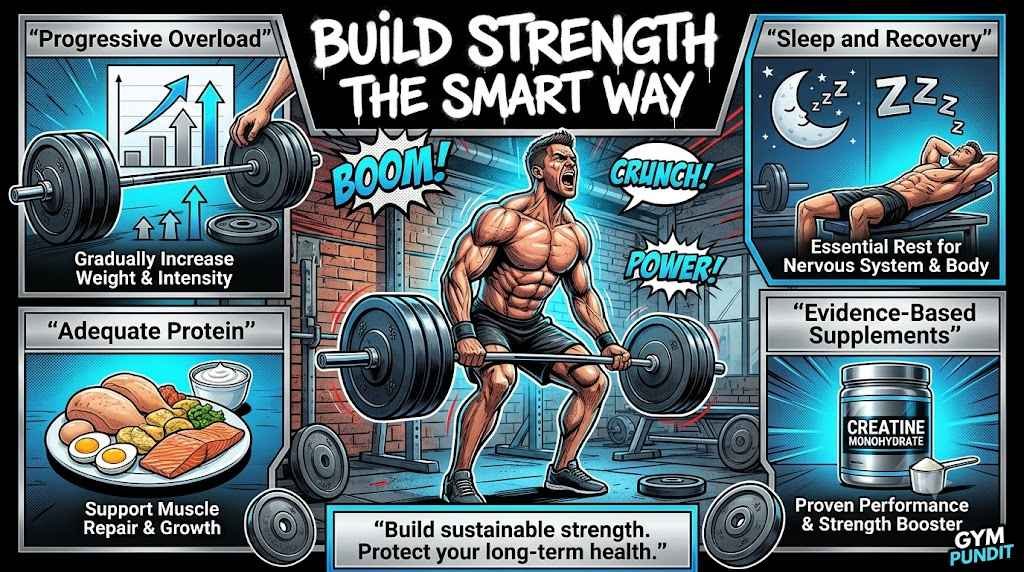
How to Build Strength and Muscle Without Anadrol or Superdrol
You can make substantial progress without exposing yourself to the risks of potent oral anabolic steroids.
1. Follow Progressive Overload
Track your lifts and gradually improve repetitions, technique, or training load when appropriate. Avoid increasing weight at the expense of safe form.
2. Eat Enough Calories and Protein
For muscle gain, establish a sustainable calorie intake and consume adequate protein. A commonly used evidence-based range for healthy exercising adults is approximately 1.4–2.0 grams of protein per kilogram of body weight per day, with individual needs varying.
3. Prioritize Sleep and Recovery
Consistent sleep, rest days, and sensible training volume support performance and recovery. More training is not always better if fatigue accumulates faster than you can recover.
4. Use Evidence-Based Supplements
Creatine monohydrate is one of the best-studied supplements for improving performance during repeated high-intensity efforts. Choose products from reputable manufacturers and consider your individual medical circumstances.
5. Measure Progress Properly
Track strength, body weight, waist measurements, recovery, and consistency over time. Short-term scale changes alone are a poor measure of successful muscle development. Retain Muscle During PCT: Keep Your Gains After a Cycle
Frequently Asked Questions
Is Anadrol stronger than Superdrol?
There is insufficient reliable head-to-head research to determine which compound produces greater strength gains. Reports from individual users are not a substitute for controlled comparative studies.
Which builds more muscle: Anadrol or Superdrol?
Both have reputations for producing rapid changes in body weight and muscular appearance. However, there is no dependable clinical evidence establishing which produces more lasting muscle tissue in healthy bodybuilders.
Does Anadrol cause more water retention than Superdrol?
Anadrol is commonly associated with pronounced fluid retention. Superdrol’s effects on appearance and fluid balance are less well characterized. Individual variation is substantial, and less visible fluid retention does not establish greater safety.
Is Superdrol more toxic to the liver than Anadrol?
Both can cause serious liver injury. Severe cholestatic liver injury has been documented in methasterone-associated case reports, while oxymetholone is also a recognized cause of liver toxicity. Available evidence does not support a precise universal ranking of their overall liver risk.
Can Anadrol or Superdrol affect cholesterol?
Yes. Anabolic-androgenic steroids can adversely affect HDL and LDL cholesterol. Changes in cholesterol can increase cardiovascular risk even when a person feels healthy.
Can these compounds suppress natural testosterone?
Yes. Both can disrupt normal hormonal function, potentially affecting libido, fertility, and recovery of natural testosterone production.
Are Anadrol and Superdrol safe for beginners?
Neither is an appropriate low-risk starting point for bodybuilding. Their potential for serious adverse effects makes unsupervised use particularly concerning.
Can blood tests guarantee safe use?
No. Blood tests can help clinicians identify certain problems, but they cannot eliminate risk or guarantee that injury will not develop later.
Final Verdict: Anadrol vs Superdrol
The comparison between Anadrol and Superdrol comes down to more than strength and size. Both compounds are associated with potentially serious adverse effects, including liver injury, hormonal suppression, and cardiovascular concerns.
Anadrol is associated with substantial increases in body weight and fluid retention, while Superdrol has a particularly concerning record of reported severe cholestatic liver injury. However, the available evidence is not strong enough to establish a universal winner for muscle growth, strength, or overall toxicity.
For bodybuilders, the smarter long-term approach is to prioritize progressive training, adequate nutrition, recovery, and evidence-based supplementation rather than treating rapid scale-weight changes as proof of superior muscle gains.
Medical note: This article is for educational purposes and is not a substitute for personalized medical advice. Anabolic steroid use should be discussed with a qualified healthcare professional.
Need Help With Bodybuilding, Muscle Gains or Steroid Risks?
Still have questions about Anadrol vs Superdrol, muscle growth, strength training, side effects, or bodybuilding nutrition? The Gym Pundit team can help you understand bodybuilding topics and make more informed decisions about your fitness goals.
Contact Gym Pundit on WhatsApp
- WhatsApp: +91 76965 93279
- Chat directly: https://wa.me/917696593279
- Website: https://www.gympundit.in/
Whether you are researching anabolic steroids, comparing bodybuilding supplements, or looking for guidance on training and nutrition, visit Gym Pundit for more bodybuilding information.
Important: WhatsApp guidance is not a substitute for medical care. If you suspect liver